 ✨ AI Generated
Hikawa Valley
Japanese: 氷川渓谷
Okutama Town, Tokyo
This information was written by AI and may contain mistakes. Please check official sources for opening hours, fees, and other details before you go.
Found a mistake? Let us know with “✏️ Something's wrong” on this spot's screen in asobot →
🎧 Audio guide(1:05)
In short
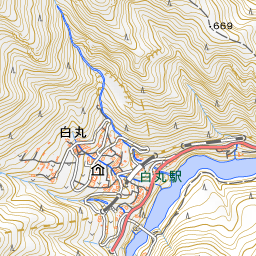
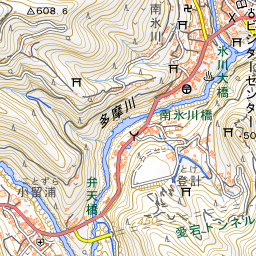
Hikawa Valley is a valley carved by the Tama River flowing near Okutama Station on the JR Ome Line. A walking trail has been established primarily around the area where the Nippara River meets the Tama River, allowing visitors to enjoy the valley's scenery just a short walk from the station. It is a precious spot where you can descend to the water's edge in the upper reaches of the Tama River, where riverbanks are scarce.
- The Confluence from Hikawa Kobashi Bridge: From atop this suspension bridge over the Nippara River, you can look out over the meeting point of the Tama River and the Nippara River.
- The Gorge Beauty of Tokehashi Bridge: Located slightly beyond Hikawa Kobashi Bridge, this spot allows you to savor valley scenery reminiscent of being deep in the mountains.
- Walkable from the Station: You can begin exploring the walking trail after a walk of about 5 minutes from Okutama Station.
History & Highlights
Hikawa Valley is a valley formed by the Tama River flowing near Okutama Station on the JR Ome Line. Okutama Station opened in 1944 (Showa 19) as "Hikawa Station," and Hikawa is the geographical name for this entire surrounding area. The place name Hikawa originates from Oku-Hikawa Shrine, the local tutelary shrine located in the valley.
The Tama River in Okutama has swift currents and very few riverbanks. Within this setting, Hikawa Valley, with its broad sandbars and shallows, is known as a place where one can go down to the water's edge.
The Hikawa Valley walking trail runs along the gorge, mainly around the confluence where the Nippara River meets the Tama River. It is an easy hiking route also called the "Fureai Shinrinyoku Course," where visitors can enjoy forest bathing. The valley is designated as a Special Zone of Chichibu-Tama-Kai National Park.
Viewing & Experiencing Highlights
- Hikawa Kobashi Bridge: A suspension bridge spanning the Nippara River, offering scenery representative of the area around Okutama Station. From the bridge, you can view the confluence of the Tama River and the Nippara River.
- Tokehashi Bridge: A bridge situated a little farther in from Hikawa Kobashi Bridge. It lets you take in dreamlike valley scenery that feels as if you have entered deep into the mountains.
- Riverbank Scenery: You can also go down to the riverbank around Hikawa Kobashi Bridge. Near the water's edge, you can feel the river's flow up close.
Visiting Tips
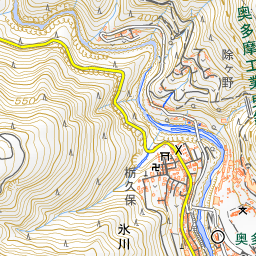
It takes about 5 minutes to walk from Okutama Station to Hikawa Kobashi Bridge, and about 10 minutes to Tokehashi Bridge. If you cross Hikawa Kobashi Bridge and walk upstream along the Tama River, you will reach Tokehashi Bridge; crossing that bridge and heading downstream brings you to the Hikawa Campsite at the foot of Showabashi Bridge. Walking from Kita-Hikawabashi Bridge through Hikawa Kobashi Bridge and Tokehashi Bridge to the campsite entrance at Showabashi Bridge takes about 20 minutes. Swimming and diving are prohibited, and making loud sounds with speakers or musical instruments is also forbidden. Because this is a Special Zone of a national park, setting up tents and holding barbecues over open fires are not allowed. Entering the river is dangerous when water levels rise after continuous rain. From Okutama Station, the Okutama Mukashimichi hiking route, which follows the Old Ome Kaido, also begins.
Use asobot while you walk
- See where you are on the map and find spots nearby
- Listen to the guide's audio in course order, one after another (with subtitles)
- Walk to the next spot while following the map
Open on your phone
Scan to open this spot in asobot on your phone.