 ✨ AI Generated
Bishamon-do Temple
Japanese: 毘沙門堂
Yamashina Ward, Kyoto
This information was written by AI and may contain mistakes. Please check official sources for opening hours, fees, and other details before you go.
Found a mistake? Let us know with “✏️ Something's wrong” on this spot's screen in asobot →
🎧 Audio guide(1:00)
In short
A Tendai sect temple located halfway up a mountain overlooking the Yamashina Basin. It was founded in 703 (Taiho 3) by imperial prayer of Emperor Monmu, and rebuilt on its current site in Yamashina in 1665 (Kanbun 5). After Cloistered Prince Koben, a son of Emperor Gosai, entered the temple, it became a monzeki temple, and it is counted among the Kyoto Gokashitsu Monzeki of the Tendai sect.
- Moving Fusuma Paintings of the Shinden: All 116 sliding door paintings (shohekiga) in the Shinden were created by Kano Masunobu, an adopted son of Kano Tan'yu. They are rare fusuma paintings utilizing reverse perspective, making the viewer appear to be at the center regardless of the angle from which they are viewed. The dragon on the ceiling of the Reiden also changes its gaze and facial expression depending on the viewing angle
- Bansui-en Garden: A stroll garden dating to the early Edo period, with a turtle island, plover stones (chidori-ishi), and zazen meditation stones arranged in a pond shaped in the reversed Chinese character for "heart" (kokoro)
- Weeping Cherry Blossoms and Shiki-momiji (Carpet of Fallen Leaves): In spring, a weeping cherry tree over 150 years old standing in front of the Shinden spreads branches spanning up to 30 meters. In autumn, visitors can see shiki-momiji, a carpet of fallen maple leaves dyeing the slope leading to the Chokushimon gate
History and Highlights
Bishamon-do Temple is a Tendai sect temple located halfway up a mountain overlooking the Yamashina Basin, with the mountain name (sango) Gohozan. It was founded in 703 by imperial prayer of Emperor Monmu, originally located near the Izumoji Bridge in Kyoto, north of the current Kyoto Imperial Palace, and was called Izumo-ji. Overcoming war and fires, it was rebuilt on its current site in Yamashina in 1665. Following the revival efforts of Archbishop Tenkai and his senior disciple Kokai, Cloistered Prince Koben, a son of Emperor Gosai, entered the temple. As a result, it became a monzeki temple, and is counted among the Kyoto Gokashitsu Monzeki of the Tendai sect. A monzeki refers to a special temple where members of the imperial family or court nobility enter the Buddhist priesthood and serve as head priest.
The principal image, Bishamonten, is a hidden Buddha (hibutsu) said to have been carved by Dengyo Daishi Saicho from leftover wood used when carving the Yakushi Nyorai, the principal image of Enryaku-ji Temple on Mt. Hiei. The main hall (honden) and the Karamon gate, built through donations from the Tokugawa family, strongly inherit the architectural style of Nikko Toshogu, featuring vivid colors and decorations rarely seen in ordinary temple architecture.
Highlights of Viewing and Experience
- Moving Fusuma Paintings of the Shinden: In 1693, former palace buildings bestowed by Emperor Gosai were relocated, becoming the current Shinden (main guest hall), Reiden (spirit hall), and Chokushimon (imperial messenger gate). All 116 sliding door paintings (shohekiga) in the Shinden were created by Kano Masunobu, an adopted son of Kano Tan'yu. They are rare fusuma paintings utilizing reverse perspective, making the viewer appear to be at the center regardless of the angle from which they are viewed. They are designated as cultural properties of Kyoto City. The dragon on the ceiling of the Reiden also appears to change its gaze and facial expression depending on the viewing angle.
- Bansui-en Garden: A stroll garden (kaiyushiki garden) dating to the early Edo period. In a pond shaped in the reversed Chinese character for "heart" (kokoro), a turtle island, plover stones (chidori-ishi), and zazen meditation stones are arranged, with trees and plants surrounding the pond coloring the seasonal scenery.
- Weeping Cherry Blossoms and Shiki-momiji (Carpet of Fallen Leaves): In spring, a weeping cherry tree over 150 years old standing in front of the Shinden spreads branches spanning up to 30 meters. Autumn is the season with the most visitors throughout the year, where one can see shiki-momiji, a carpet of fallen maple leaves dyeing the slope leading to the Chokushimon gate.
Tips for Walking
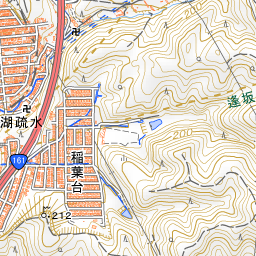
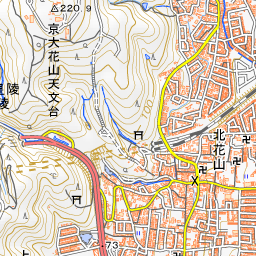
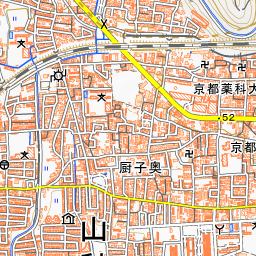
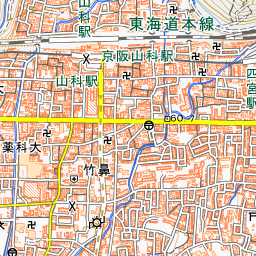
It is about a 20-minute walk from Yamashina Station on the JR, subway, and Keihan lines. Passing through the pedestrian passage under the elevated railway tracks allows for smooth access to the north side of the station. About 500 meters south lies the walking path of the Lake Biwa Canal (Yamashina Canal).
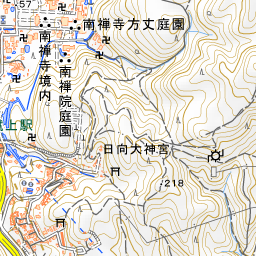

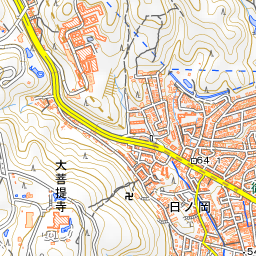
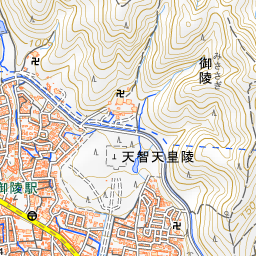
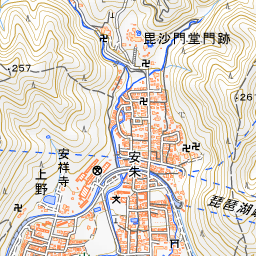
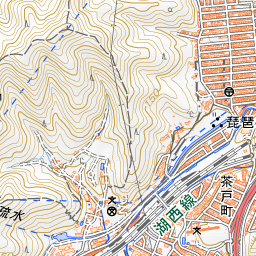
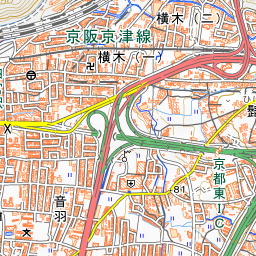

Spot location © OpenStreetMap contributors (ODbL)
Open in Google MapsGuides that include this spot (1)
Use asobot while you walk
- See where you are on the map and find spots nearby
- Listen to the guide's audio in course order, one after another (with subtitles)
- Walk to the next spot while following the map
Open on your phone
Scan to open this spot in asobot on your phone.