 ✨ AI Generated
Hiroshima Peace Memorial Park
Japanese: 広島平和記念公園
Naka Ward, Hiroshima
This information was written by AI and may contain mistakes. Please check official sources for opening hours, fees, and other details before you go.
Found a mistake? Let us know with “✏️ Something's wrong” on this spot's screen in asobot →
🎧 Audio guide(1:00)
In short
Hiroshima Peace Memorial Park spreads across the upstream tip of the delta between the Motoyasu River and the Honkawa River. Once a bustling downtown district known as the Nakajima district, this area was lost in an instant to the atomic bomb on August 6, 1945. After the war, it was developed as a park to commemorate peace, and it was completed in 1954.
- Cenotaph for the A-bomb Victims: Engraved on it is the epitaph, "Let all the souls here rest in peace, for we shall not repeat the evil." Standing before the cenotaph, you can see the Flame of Peace through the arch and, across the river, the Atomic Bomb Dome along a single line
- Flame of Peace: This flame has continued to burn ever since it was lit in 1964, and it carries the wish to keep it burning until the day nuclear weapons cease to exist
- Children's Peace Monument: Classmates of Sasaki Sadako, who died of leukemia at age twelve, called for it, and it was erected through donations gathered nationwide. Folded cranes continue to be offered here today from both inside and outside Japan
History and Highlights
Hiroshima Peace Memorial Park is an open park situated at the upstream tip of the delta between the Motoyasu River and the Honkawa River. This area was once a bustling downtown district known as the Nakajima district, but it was lost in an instant to the atomic bomb on August 6, 1945.
After the war, under the Hiroshima Peace Memorial City Construction Law enacted in 1949, the area was developed as a park to commemorate peace. In the design competition, the plan submitted by a group led by Tange Kenzo won first prize; construction began in 1950, and the park was completed in 1954. Because the design concept—centered along a single axis extending from Peace Boulevard toward the Atomic Bomb Dome—remains well preserved, the central area from Peace Boulevard to the Atomic Bomb Dome was designated as a national Place of Scenic Beauty in 2007. Inside the park, in addition to the Hiroshima Peace Memorial Museum and the Hiroshima National Peace Memorial Hall for the Atomic Bomb Victims, many cenotaphs and monuments stand.
Highlights for Viewing and Experiencing
- Cenotaph for the A-bomb Victims: Built in 1952, this cenotaph is officially called the Memorial Monument for Hiroshima, City of Peace. Its roof was shaped like an ancient haniwa house out of a wish to protect the souls of the victims from rain and dew. Engraved on it is the epitaph, "Let all the souls here rest in peace, for we shall not repeat the evil," and the central stone vault holds the registry of those who lost their lives to the atomic bomb.
- Flame of Peace: This flame has continued to burn ever since it was lit in 1964. It carries the pledge to keep burning until the day nuclear weapons cease to exist. The pedestal represents two hands pressed together at the wrists with the palms opened toward the sky. Standing before the cenotaph, you can see the Flame of Peace through the arch and, across the river, the Atomic Bomb Dome aligned along a single straight axis.
- Children's Peace Monument: Classmates of Sasaki Sadako, who experienced the atomic bombing at age two and died of leukemia at age twelve, called for the creation of a statue for all the children who died from the atomic bomb, and it was erected in 1958 through donations gathered nationwide. In honor of Sadako, who kept folding paper cranes in hopes of recovery, folded cranes continue to be offered here today from both inside and outside Japan.
Tips for Exploring
The museum, memorial hall, and Atomic Bomb Dome are introduced in detail in their respective sections. It is recommended to walk through the park visiting each monument one by one, from the cenotaph to the Flame of Peace, the Children's Peace Monument, and the Peace Bell. The paths along the Motoyasu River are lined with many trees, allowing for a quiet walk. Please take your time to explore while keeping in mind that this is a sacred site of memorial.

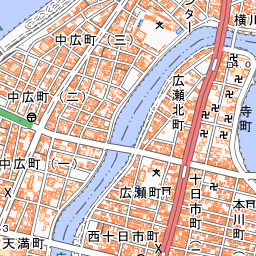
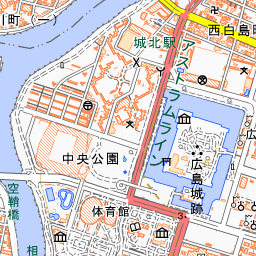
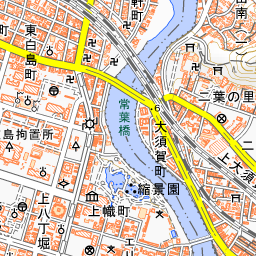
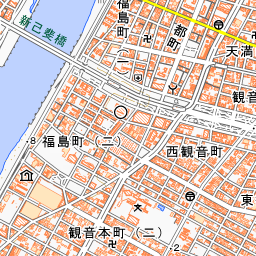
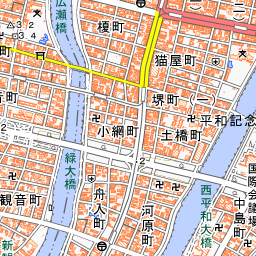
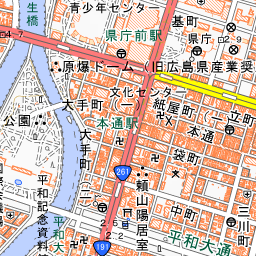
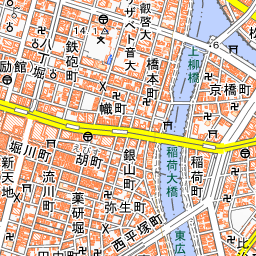
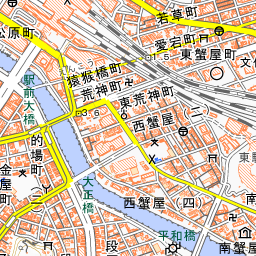
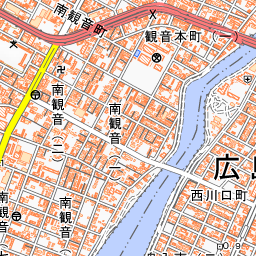
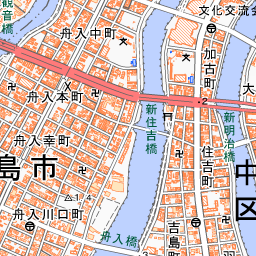
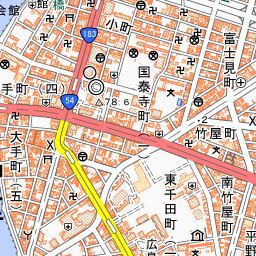
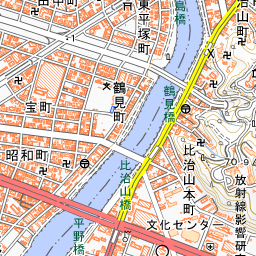

Spot location © OpenStreetMap contributors (ODbL)
Open in Google MapsGuides that include this spot (1)
Use asobot while you walk
- See where you are on the map and find spots nearby
- Listen to the guide's audio in course order, one after another (with subtitles)
- Walk to the next spot while following the map
Open on your phone
Scan to open this spot in asobot on your phone.