
Open-Air Museum of Old Japanese Farm Houses
Japanese: 日本民家集落博物館
Toyonaka, Osaka
This information was written by AI and may contain mistakes. Please check official sources for opening hours, fees, and other details before you go.
Found a mistake? Let us know with “✏️ Something's wrong” on this spot's screen in asobot →
🎧 Audio guide(1:11)
In short
An open-air museum inside Hattori Ryokuchi Park that relocates and restores representative farmhouses from across Japan and displays them together with related folk tools. Established in 1956 (Showa 31) as the first open-air museum in Japan, it has 12 structures, including farmhouses, among which are nationally designated Important Cultural Properties and prefectural designated Tangible Cultural Properties, and all of them were built during the Edo period.
- Gassho-zukuri Farmhouse from Hida-Shirakawa: A farmhouse relocated from the heavy snowfall area of Shirakawa Village in Gifu Prefecture. The roof framing, shaped like hands pressed together in prayer, is built to withstand wind and snow
- Magariya from Nanbu: A farmhouse relocated from Yahaba Town in Iwate Prefecture. To block the harsh northwesterly winds, the main house is placed on the west side and the stable (umaya) on the east side, connected in an L-shape
- Takakura from Amami Oshima: A raised-floor storehouse relocated from the subtropical island of Amami Oshima. Hard iju wood is used for the legs of its four pillars so that rats cannot climb up
History and Highlights
The Open-Air Museum of Old Japanese Farm Houses is an open-air museum located inside Hattori Ryokuchi Park. Established in 1956 as the first open-air museum in Japan to relocate, restore, and display representative traditional farmhouses from across Japan alongside related folk tools, it is managed and operated by the Osaka Cultural Heritage Center.
The grounds feature 12 structures, including nationally designated Important Cultural Properties and prefectural designated Tangible Cultural Properties, conveying nostalgic scenes of traditional Japan ranging from a Nanbu magariya (L-shaped house) from Iwate in the north to a takakura (high-floored storehouse) from Amami Oshima in Kagoshima in the south. All of these farmhouses were built during the Edo period, strongly retaining styles that arose from the climate and customs of their respective regions, and reflecting the wisdom of everyday life throughout. Visitors can also tour the interiors, where essential daily implements such as farming tools and yukigutsu (snow shoes) are on display.
The main gate of the museum is the "Kawachi Fuse Nagayamon Gate," which was relocated from a village headman's residence in Higashiosaka City. Following the conclusion of the Expo 2025 Osaka, Kansai, Osaka Prefecture received thatch removed from the roof of the "EARTH MART" pavilion, which is being reused at this museum to re-thatch the roofs of the traditional houses. It is also scheduled to be used for events such as thatching workshops.
Points for Appreciation and Experience
- Gassho-zukuri Farmhouse from Hida-Shirakawa: A farmhouse relocated from the heavy snowfall area of Shirakawa Village in Gifu Prefecture. The first floor served as the living space, while the well-ventilated second and third floors were used for sericulture (silkworm raising). The roof framing, shaped like hands pressed together in prayer (gassho), is built to withstand wind and snow.
- Magariya from Nanbu: A farmhouse relocated from Yahaba Town in Iwate Prefecture. To block the harsh northwesterly winds, the main house (omoya) is positioned on the west side and the stable (umaya) on the east side, connected in an L-shape (kagi-no-te). Warm air from the sunken hearth (irori) flows into the stable.
- Takakura from Amami Oshima: A raised-floor storehouse relocated from the subtropical island of Amami Oshima. It keeps out dampness and is well ventilated, and hard iju (Schima wallichii) wood is used for the four pillar legs so that rats cannot climb up.
Tips for Exploring
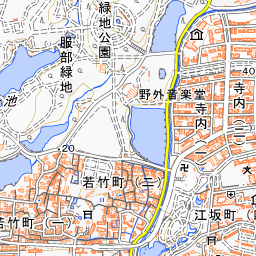
The museum is about 1 kilometer from the West Exit of Ryokuchi-koen Station on the Kita-Osaka Kyuko Railway. In addition, the grounds include a rural Kabuki stage from Shodoshima Island and a rice granary relocated from Dojima, an area where the warehouse-residences (kurayashiki) of feudal domains were concentrated during the Edo period. The scenery of the four seasons, such as daffodils, cherry blossoms, and autumn foliage, is also an attraction, and photo sessions, concerts, and hands-on workshops on traditional living are held here. About 1 kilometer south-southeast lies the Hattori Ryokuchi Urban Greening Botanical Garden, which you can visit together while strolling around the park. For information on Hattori Ryokuchi Park as a whole, please refer to the park guide.
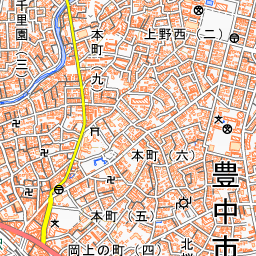
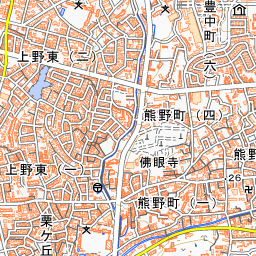
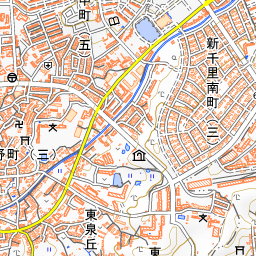

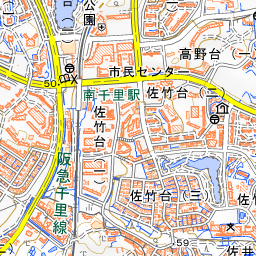
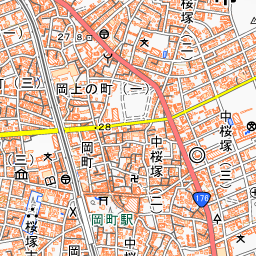
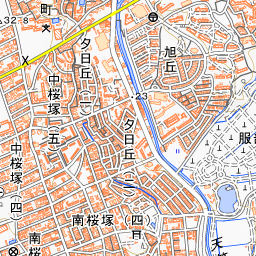
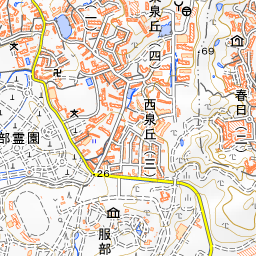
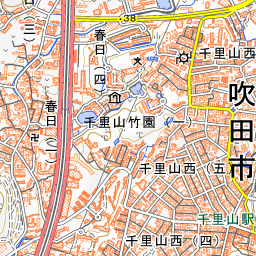
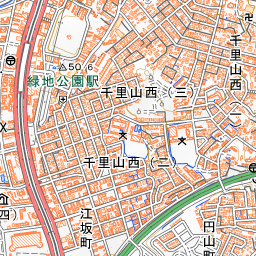

Spot location © OpenStreetMap contributors (ODbL)
Open in Google MapsGuides that include this spot (1)
Use asobot while you walk
- See where you are on the map and find spots nearby
- Listen to the guide's audio in course order, one after another (with subtitles)
- Walk to the next spot while following the map
Open on your phone
Scan to open this spot in asobot on your phone.