 ✨ AI Generated
Yushima Seido
Japanese: 湯島聖堂
Bunkyo City, Tokyo
This information was written by AI and may contain mistakes. Please check official sources for opening hours, fees, and other details before you go.
Found a mistake? Let us know with “✏️ Something's wrong” on this spot's screen in asobot →
🎧 Audio guide(0:59)
In short
Yushima Seido is a Confucian temple dedicated to Confucius, the founder of Confucianism, established in 1690 by Tokugawa Tsunayoshi, the fifth Tokugawa shogun. In 1797, the Shoheizaka Gakumonjo, a school under the direct control of the shogunate, was opened here. In the Meiji period, normal schools and other institutions were established on this site, making it known as the birthplace of modern Japanese education.
- Black Taiseiden: The Taiseiden, which enshrines Confucius, is a building painted black both inside and outside. Following the Great Kanto Earthquake, it was rebuilt in reinforced concrete in 1935.
- Mythical Beasts on the Roof: Mythical creatures such as the kiginto, which is said to ward off fires, are placed on the roof of the Taiseiden.
- Nyutokumon Gate Preserved from the Edo Period: Built in 1704, the Nyutokumon Gate is the oldest structure in the grounds and the only remaining wooden building.
History and Highlights
Yushima Seido is a Confucian temple that enshrines Confucius, the founder of Confucianism. It originated as the private academy and family shrine of the Confucian scholar Hayashi Razan, located in Shinobugaoka, Ueno. To promote Confucianism, Tokugawa Tsunayoshi, the fifth shogun, founded this temple in Yushima in 1690 and relocated those facilities here. The Confucian shrine was then renamed "Taiseiden."
In 1797, the Shoheizaka Gakumonjo was opened as a school under the direct control of the shogunate. It was commonly called "Shoheiko." Shohei is said to be the name of the place where Confucius was born.
In 1871, the school was abolished, and the Ministry of Education was established here. In the same year, Japan's first museum was set up, followed the next year by the Tokyo Normal School, and later the Tokyo Women's Normal School. These two schools developed into today's University of Tsukuba and Ochanomizu University, respectively. In this way, Yushima Seido became the birthplace of modern education. Today, it is also known as a place where students pray for success in entrance examinations.
It was designated a National Historic Site in 1922, but was destroyed by fire in the Great Kanto Earthquake the following year, with only the Nyutokumon Gate and the water ablution pavilion (mizuya) surviving. In 1935, led by the Shibunkai, it was reconstructed in reinforced concrete following its Kansei-era design, planned by Ito Chuta. It continues to be managed by the Shibunkai today.
Points of Interest
- The Taiseiden and Roof Beasts: The Taiseiden is painted black on both the inside and outside. Placed on the main ridge at the top of the roof are kiginto, and on the descending ridges are kiryushi. The kiginto is an imaginary divine fish, said to ward off fires as a water deity. The kiryushi has a cat-like form with fangs, guarding to keep out evil.
- Nyutokumon Gate and Finding Mythical Beasts: Built in 1704, the Nyutokumon Gate is the oldest and only wooden structure at the temple. Ito Chuta, who designed the reconstruction, was known for incorporating mythical and grotesque beasts into his architecture, and various mythical creatures lurk throughout the grounds. It is also enjoyable to look around and see how many types you can find.
- Statue of Confucius: The bronze statue of Confucius standing on the grounds was donated in 1975 by the Lions Club of Taipei. Standing 4.57 meters tall and weighing 1.5 tons, it is said to be the largest in the world.
Walking Tips
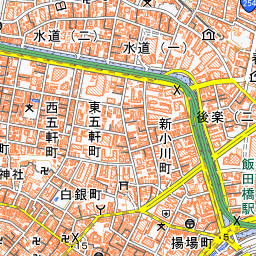
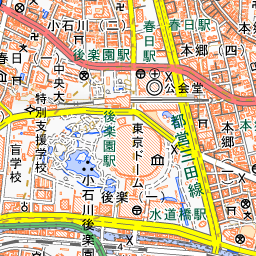
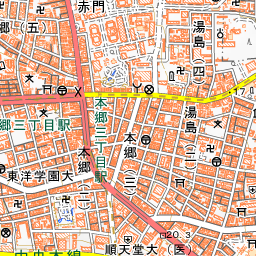
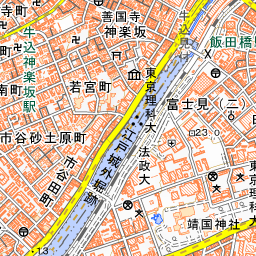
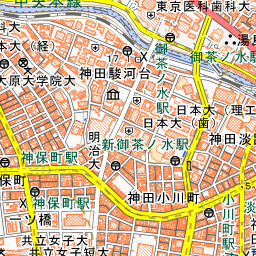
It is about a 2-minute walk from JR Ochanomizu Station, and about a 1-minute walk from Ochanomizu Station on the Marunouchi Line. Hijiri Bridge, which crosses the Kanda River near the station, takes its name from the fact that it connects two sacred sites: Yushima Seido and Nikolai-do Cathedral. About 200 meters to the northeast is Kanda Myojin Shrine, and about 800 meters to the north is Yushima Tenmangu Shrine, which enshrines Sugawara no Michizane. The Bunkyo Ward tourist guide introduces this roughly 2-kilometer route visiting these three spots from Ochanomizu Station as the "Yushima Academic Sacred Sites Course."




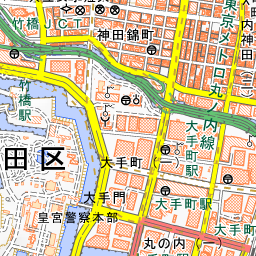
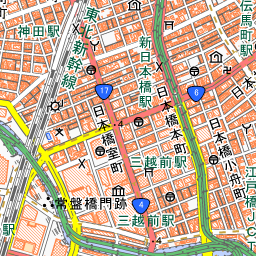
Spot location © OpenStreetMap contributors (ODbL)
Open in Google MapsGuides that include this spot (1)
Use asobot while you walk
- See where you are on the map and find spots nearby
- Listen to the guide's audio in course order, one after another (with subtitles)
- Walk to the next spot while following the map
Open on your phone
Scan to open this spot in asobot on your phone.