 ✨ AI Generated
Kyoto City KYOCERA Museum of Art
Japanese: 京都市京セラ美術館
Sakyo Ward, Kyoto
This information was written by AI and may contain mistakes. Please check official sources for opening hours, fees, and other details before you go.
Found a mistake? Let us know with “✏️ Something's wrong” on this spot's screen in asobot →
🎧 Audio guide(1:02)
In short
The Kyoto City Museum of Art faces Jingu-michi street, which leads to Heian-jingu Shrine. It opened in 1933 to commemorate the enthronement ceremony of Emperor Showa, and according to the museum, it is the oldest existing public art museum building in Japan. It reopened in 2020 and is also known by the common name Kyoto City KYOCERA Museum of Art. Seven structures, including the main building, are Registered Tangible Cultural Properties of Japan.
- New Entrance and Central Hall: The front plaza was transformed into a sloped plaza, and the entrance was relocated to the basement level. A straight axis runs from the central hall of the former main display hall to the east entrance and the Japanese garden overlooking Higashiyama
- Collection Room and Higashiyama Cube: There is the Collection Room, which introduces masterpieces that Kyoto takes pride in, such as Japanese-style paintings of the Kyoto art circle (Kyoto Gadan), and the new wing "Higashiyama Cube," which focuses mainly on contemporary art
- Japanese Garden: The garden on the east side of the main building is said to have involved Ogawa Jihei VII in its landscaping
History and Highlights
Kyoto City KYOCERA Museum of Art is an art museum facing Jingu-michi street, which leads to Heian-jingu Shrine. It opened in 1933 under the name "Enthronement Memorial Kyoto Museum of Art" to commemorate the enthronement ceremony of Emperor Showa held in Kyoto in 1928. The main building features Crown Imperial Style (Teikan-yoshiki) architecture, built with donations from the Kansai business community, art circles, and local citizens. It was designed by the Kyoto City building maintenance department based on an original proposal by architect Maeda Kenjiro, which was chosen through a public design competition. According to the museum, it is the oldest existing public art museum building in Japan.
After World War II, the entire grounds were requisitioned by the occupation forces, and the main display hall was used as a basketball court. The requisition was lifted in 1952, and it resumed activities under the new name Kyoto City Museum of Art. Later, while preserving the main building, renovations and expansions designed by architects Aoki Jun and Nishizawa Tezzo were carried out, culminating in a grand reopening in 2020. Today, it is also known by the common name Kyoto City KYOCERA Museum of Art. Seven structures, including the main building, are Registered Tangible Cultural Properties of Japan.
Viewing and Experience Highlights
- The Glass Ribbon and Central Hall: The front plaza on the Jingu-michi side was transformed into a sloped plaza gently descending toward the center, and the entrance was relocated from the first-floor west entrance of the main building to the basement level. The cutout between the plaza and the main building is fitted with glass, creating a space known as the "Glass Ribbon." Proceeding from the basement entrance, visitors find a newly installed grand staircase, forming a straight axis from the central hall of the former main display hall to the east entrance and the Japanese garden overlooking Higashiyama.
- Collection Room and Higashiyama Cube: Through the 2020 renovation, the new "Collection Room" was established to introduce masterpieces that Kyoto takes pride in, such as Japanese-style paintings of the Kyoto art circle (Kyoto Gadan). The new wing "Higashiyama Cube," which remodeled the storage building northeast of the main building, hosts a variety of exhibitions, focusing mainly on contemporary art.
- Japanese Garden: The Japanese garden on the east side of the main building is said to have involved Ogawa Jihei VII in its landscaping, and it is open as a space for relaxation and enjoyment.
Strolling Tips
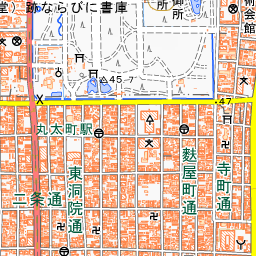
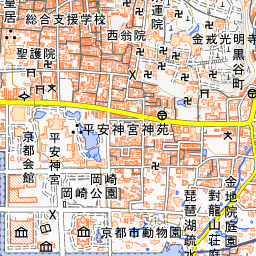
It is about an 8-minute walk from Higashiyama Station on the Subway Tozai Line. In Okazaki, Heian-jingu Shrine and The National Museum of Modern Art, Kyoto are also nearby, making them easy to visit together.




Guides that include this spot (1)
Use asobot while you walk
- See where you are on the map and find spots nearby
- Listen to the guide's audio in course order, one after another (with subtitles)
- Walk to the next spot while following the map
Open on your phone
Scan to open this spot in asobot on your phone.