 ✨ AI Generated
Tokyo Dome City
Japanese: 東京ドームシティ
Bunkyo City, Tokyo
This information was written by AI and may contain mistakes. Please check official sources for opening hours, fees, and other details before you go.
Found a mistake? Let us know with “✏️ Something's wrong” on this spot's screen in asobot →
🎧 Audio guide(0:54)
In short
Tokyo Dome City is an urban comprehensive entertainment complex centered around Tokyo Dome, bringing together an amusement park, commercial facilities, hot spring bath facilities, and event halls. Its roots trace back to Korakuen Stadium, which opened in 1937, followed by the birth of Tokyo Dome in 1988 as Japan's first all-weather multipurpose stadium.
- Tokyo Dome: A balloon-like stadium whose roof membrane is supported by differences in air pressure.
- Tokyo Dome City Attractions: An urban amusement park featuring more than 20 types of attractions, originally starting as Korakuen Amusement Park.
- Korakuen Hall: Known as the "sacred ground" of combat sports, which has long supported Japanese martial arts, including boxing and professional wrestling.
History and Highlights
Tokyo Dome City is an urban comprehensive entertainment complex located in Bunkyo Ward. It spans an area of approximately 13.3 hectares. In addition to Tokyo Dome, it brings together Tokyo Dome City Attractions, the LaQua commercial and spa complex, halls such as Korakuen Hall, and the Tokyo Dome Hotel.
To its west lies Koishikawa Korakuen Gardens, a Japanese landscape garden originally created as the grounds of the Mito Tokugawa family residence. In the early Meiji period, a military artillery arsenal was established centered on the site of that residence. Later, Korakuen Stadium was built on the former site of this artillery arsenal.
Korakuen Stadium held its opening ceremony on September 11, 1937, and became the home ground of the Giants professional baseball team. In 1955, Korakuen Amusement Park, the predecessor of Tokyo Dome City Attractions, opened, followed by the opening of Korakuen Hall in 1962. In 1988, Tokyo Dome was born as Japan's first all-weather multipurpose stadium. In 2003, LaQua opened its doors.
Highlights & Things to Do
- Tokyo Dome: Built as an "air-supported dome," it features a balloon-like structure where differences in air pressure support the roof membrane. Fans blow air inside to keep the internal atmospheric pressure 0.3% higher than the outside, thereby supporting the roof. Revolving doors are used at the entrances and exits to maintain this internal air pressure. Numerous events are held throughout the year, including baseball games and music concerts.
- Tokyo Dome City Attractions: An urban amusement park featuring more than 20 types of attractions. Highlights include the "Thunder Dolphin" roller coaster, which darts between buildings, and "Big-O," the world's first centerless Ferris wheel. The roller coaster introduced at the opening of its predecessor, Korakuen Amusement Park, was the reason roller coasters in Japan came to be widely called "jet coasters."
- LaQua and Korakuen Hall: LaQua is a commercial complex with shops, restaurants, a spa, and attractions. Inside, Spa LaQua allows visitors to enjoy natural hot springs and saunas. Korakuen Hall is a multipurpose hall that has supported Japanese combat sports such as boxing and professional wrestling, and is known as the "sacred ground" of martial arts.
Tips for Exploring
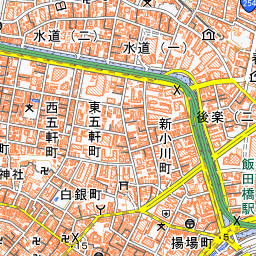
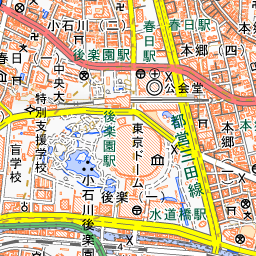
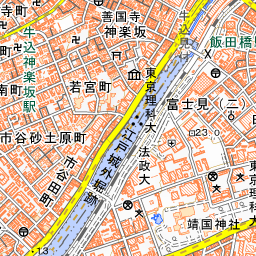
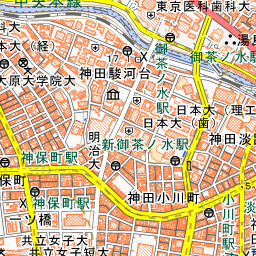
A total of five JR and subway lines serve the area. You can use Suidobashi Station on the JR Sobu Line and Toei Mita Line, Korakuen Station on the Tokyo Metro Marunouchi and Namboku Lines, or Kasuga Station on the Toei Oedo Line. About 80 meters to the east is The Baseball Hall of Fame and Museum. About 260 meters to the west is Koishikawa Korakuen Gardens, the oldest surviving Edo period daimyo garden, where you can stroll through an Edo-era garden right next to the bustling city.




Guides that include this spot (1)
Use asobot while you walk
- See where you are on the map and find spots nearby
- Listen to the guide's audio in course order, one after another (with subtitles)
- Walk to the next spot while following the map
Open on your phone
Scan to open this spot in asobot on your phone.