 ✨ AI Generated
Chado Research Center
Japanese: 茶道資料館
Kamigyo Ward, Kyoto
This information was written by AI and may contain mistakes. Please check official sources for opening hours, fees, and other details before you go.
Found a mistake? Let us know with “✏️ Something's wrong” on this spot's screen in asobot →
🎧 Audio guide(1:04)
In short
An art museum dedicated to the way of tea (chanoyu), located inside the Urasenke Center at Horikawa-dori Teranouchi. It opened in November 1979 (Showa 54), and together with the Konnichian Library, which houses tea-related books collected by successive grand masters (iemoto), it forms the Comprehensive Chado Research Center. Its collection includes four Important Cultural Properties, such as the red Raku tea bowl named "Tarobo."
- Themed Displays of Tea Utensils: Utensils such as hanging scrolls, tea bowls, and flower vases, along with historical documents concerning the way of tea, are selected and displayed according to the theme of each exhibition
- Replica of the Yuin Teahouse: In the second-floor exhibition room, a replica is set up of the Important Cultural Property Yuin Teahouse, which along with Konnichian is one of the representative teahouses of the Urasenke school
- Tea Serving in the Ryurei Style: Along with their exhibition viewing, visitors can enjoy a bowl of tea in the chair-seated ryurei style. Guests can spend time admiring the courtyard garden through the seasons
History and Highlights
Chado Research Center is an art museum dedicated to the way of tea (chanoyu), located inside the Urasenke Center at Horikawa-dori Teranouchi. It opened in November 1979 (Showa 54) concurrently with the completion of the Urasenke Center. Serving as the two main pillars, this research center—which oversees the exhibition and study of tea ceremony art—and the Konnichian Library—which houses tea-related books collected by successive grand masters (iemoto)—together form the Comprehensive Chado Research Center.
The exhibitions mainly consist of special themed exhibitions on the way of tea, featuring tea utensils such as hanging scrolls, tea bowls, and flower vases, as well as related fine arts and crafts, and historical documents. The collection centers on tea utensils associated with successive grand masters, including four Important Cultural Properties, such as the red Raku tea bowl named "Tarobo." Lectures related to the exhibitions are also held during exhibition periods.
Viewing and Experience Highlights
- Themed Displays of Tea Utensils: Utensils such as hanging scrolls, tea bowls, and flower vases, along with historical documents concerning the way of tea, are selected and displayed according to the theme of each exhibition. Through the combinations of utensils (toriawase), visitors can closely appreciate the aesthetic sensibilities of tea ceremony.
- Replica of the Yuin Teahouse: In the second-floor exhibition room, a replica of the Important Cultural Property Yuin Teahouse is set up, allowing visitors to see the interior of a traditional tea room. Along with Konnichian, Yuin is one of the representative teahouses of the Urasenke school.
- Tea Serving in the Ryurei Style: In the tea-serving room, visitors can enjoy a bowl of tea in the chair-seated ryurei style along with their exhibition viewing. Guests can spend time admiring the courtyard garden through the seasons: cherry blossoms and young bamboo in spring, green moss in summer, autumn foliage, and snowy scenery in winter. For first-time matcha drinkers, instructions are also provided on how to hold the tea bowl and how to eat the traditional sweet.
Walking Tips
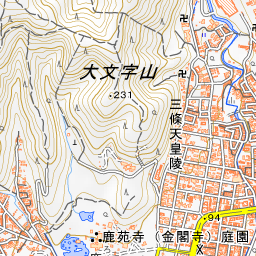
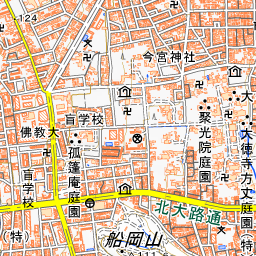
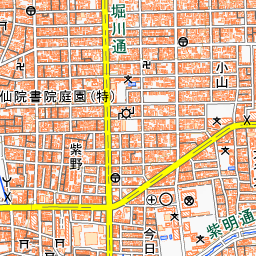
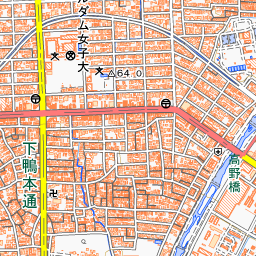
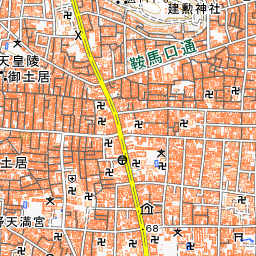
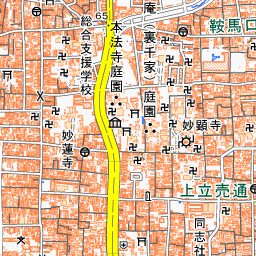
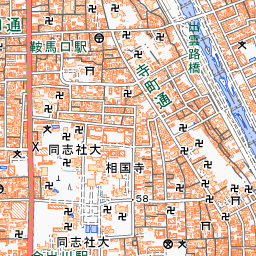
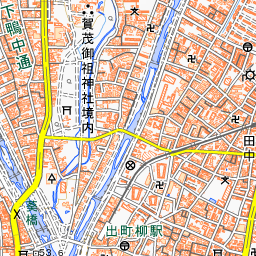
The center is just steps away from the "Horikawa Teranouchi" city bus stop, and about a 15-minute walk west from Kuramaguchi Station on the Karasuma Subway Line. Very close by is Honpo-ji Temple, which is associated with Hon'ami Koetsu and Hasegawa Tohaku, and slightly to the east lies Myoken-ji Temple, a head temple (daihonzan) of the Nichiren sect. Combining a visit to the tea exhibitions with a walking tour around the temples of Teranouchi is highly recommended.




Spot location © OpenStreetMap contributors (ODbL)
Open in Google MapsUse asobot while you walk
- See where you are on the map and find spots nearby
- Listen to the guide's audio in course order, one after another (with subtitles)
- Walk to the next spot while following the map
Open on your phone
Scan to open this spot in asobot on your phone.