 ✨ AI Generated
Sunamachi Ginza Shopping Street
Japanese: 砂町銀座商店街
Koto City, Tokyo
This information was written by AI and may contain mistakes. Please check official sources for opening hours, fees, and other details before you go.
Found a mistake? Let us know with “✏️ Something's wrong” on this spot's screen in asobot →
🎧 Audio guide(1:00)
In short
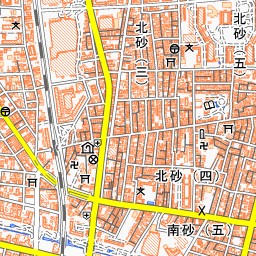
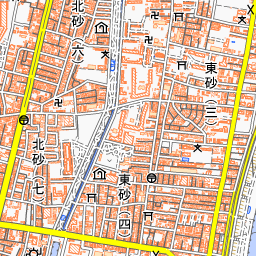
Sunamachi Ginza Shopping Street is a shopping street located in Kitasuna, Koto City. Approximately 180 shops line an east-west street stretching about 670 meters from Meiji-dori to Maruhachi-dori. In 1932, it was named with the aspiration of rivaling Ginza-dori, which was Japan's leading shopping street at the time. After being reduced to ashes in the Great Tokyo Air Raid of 1945, it was rebuilt into its current form around 1963 and remains a shopping street deeply rooted in the daily lives of local residents.
- Food Walking: You can stroll while looking for whatever treats you feel like eating at the moment, such as yakitori, shumai, and croquettes.
- Bakane-ichi: A bargain market called the "Bakane-ichi" is held on the 10th of every month.
- Showa Streetscape: Unaltered scenes stretch out before you, making you feel as though you have traveled back in time to the Showa era.
History and Highlights
Sunamachi Ginza Shopping Street spans approximately 670 meters from east to west, between Meiji-dori and Maruhachi-dori. Around 180 shops line the street, attracting about 15,000 visitors on weekdays and a total of around 20,000 on holidays. Along with Togoshi Ginza and Jujo Ginza, it is commonly referred to as one of "Tokyo's Three Great Ginza Shopping Streets."
According to the shopping street's history, around 1932 it was a small commercial group of 28 members called "Sunamachi Heiwa-kai." During a New Year's party, a local dignitary invited as a guest mentioned the willow-lined Ginza-dori—Japan's foremost shopping street—in a congratulatory speech and spoke of dreams and hopes. It is said that the street was named "Sunamachi Ginza-dori" after this episode.
Before the war, it was a small neighborhood of about 30 shops, but it was turned into a burnt-out wasteland during the Great Tokyo Air Raid in 1945. It was restored to its current form around 1963, 18 years later. Starting with the three main categories of fresh foods—cheap vegetables, meat, and fish—it developed gradually alongside the residents living nearby. Entering the mid-1970s, large public housing complexes and condominiums were built, causing the surrounding population to surge, and a wide variety of shops increased.
Points of Appreciation and Experience
- Food Walking: The shopping street describes the experience of stepping onto the road as feeling like walking among food stalls at a festival. You can stroll while searching for whatever you wish to eat that day and that moment, from yakitori, shumai, croquettes, and xianbing (savory stuffed pancakes) to yakisoba and refreshing fruit to cleanse your palate.
- Bakane-ichi and Tanabata Festival: The "Bakane-ichi" is held on the 10th of every month. In early August, a three-day Tanabata Festival is also held.
- Showa Streetscape: Streetscapes continue as though you have slipped back in time to the Showa era of 50 years ago. It is said to be an unvarnished scene rather than something created through a specific concept or staging. Takahira Inari Shrine is also enshrined as the guardian deity of the shopping street.
Walking Tips
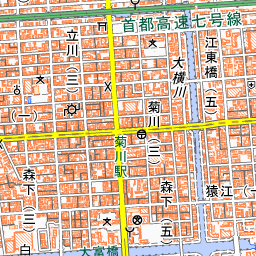
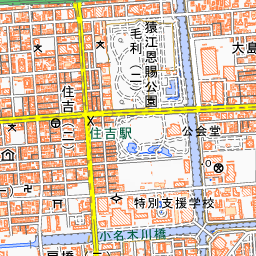
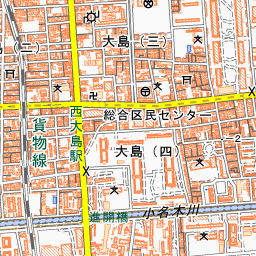
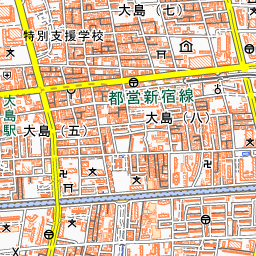
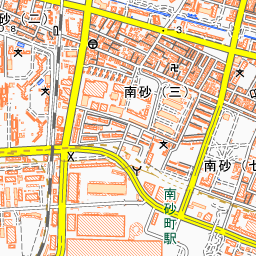
There are no train stations in the immediate vicinity, and walking takes at least 20 minutes from Ojima Station or Nishi-ojima Station on the Toei Shinjuku Line, or from Minami-sunamachi Station on the Tokyo Metro Tozai Line. If you take the Toei Bus route To-07, it takes about 12 minutes from Toyocho Station and about 4 minutes from Nishi-ojima Station, and you will arrive right away after getting off at "Kitasuna 2-chome." A distinctive feature of this shopping street is that you can still enjoy shopping at stores selling the three main fresh food categories as well as food walking.

Use asobot while you walk
- See where you are on the map and find spots nearby
- Listen to the guide's audio in course order, one after another (with subtitles)
- Walk to the next spot while following the map
Open on your phone
Scan to open this spot in asobot on your phone.