 ✨ AI Generated
Shitenno-ji Temple
Japanese: 四天王寺
Tennoji Ward, Osaka
This information was written by AI and may contain mistakes. Please check official sources for opening hours, fees, and other details before you go.
Found a mistake? Let us know with “✏️ Something's wrong” on this spot's screen in asobot →
🎧 Audio guide(1:06)
In short
The first officially administered Buddhist temple in Japan, founded by Prince Shotoku in 593 (the first year of Empress Suiko's reign). The precinct follows the "Shitenno-ji style temple layout," with the Chumon (Middle Gate), Five-story Pagoda, Kondo (Main Hall), and Kodo (Lecture Hall) arranged in a straight line from south to north and enclosed by a covered corridor, and the central precinct was rebuilt in 1963, recreating the style from the time of its initial founding. After the war, the temple became independent from the Tendai sect, established the Wa sect, and became its head temple.
- Central Precinct (Chushin Garan): The 39-meter-tall Five-story Pagoda, the Kondo enshrining a principal image that depicts Prince Shotoku as Kannon along with statues of the Four Heavenly Kings, and the Kodo housing an Eleven-headed Kannon statue and a 6-meter-tall seated statue of Amida Nyorai stand in a row. Photography is prohibited throughout the inside of the halls
- Stone Torii Gate at the West Gate: Built in 1294, it is the oldest structure within the grounds and a National Important Cultural Property. A copper plaque attached to the torii bears the words "The East Gate of the Pure Land"
- Rokuji-do Hall and Stone Stage: Immediately north of the central precinct stands the Rokuji-do Hall, an Important Cultural Property, in front of which sits a stone stage. Every year on April 22, during the Shoryo-e Bugaku Grand Memorial Service, Tennoji Bugaku, an Important Intangible Folk Cultural Property, is performed
History and Highlights
Shitenno-ji Temple is the first officially administered Buddhist temple in Japan, founded in 593 (the first year of Empress Suiko's reign) by Prince Shotoku. According to the Nihon Shoki (The Chronicles of Japan), during the battle between Mononobe no Moriya and Soga no Umako, Prince Shotoku sided with the Soga clan, carved figures of the Four Heavenly Kings (Shitenno), and vowed that if they were victorious, he would build a temple dedicated to enshrining them. Following the victory, he fulfilled his vow and built the temple.
The layout of the precinct is known as the "Shitenno-ji style temple layout," featuring the Chumon (Middle Gate), Five-story Pagoda, Kondo (Main Hall), and Kodo (Lecture Hall) arranged in a straight line from south to north, enclosed by a covered corridor. It is one of the oldest architectural styles in Japan and is said to preserve the continental styles of the 6th to 7th centuries today.
The Five-story Pagoda collapsed during the Muroto Typhoon in 1934, and nearly the entire precinct was burned down during the Air Raids on Osaka in 1945, except for a portion of the northern area. The central precinct was rebuilt in 1963, recreating the style from the time of its initial founding. After the war, the temple became independent from the Tendai sect, established the Wa sect, and became its head temple.
Viewing and Experience Highlights
- Central Precinct (Chushin Garan): The Five-story Pagoda stands 39 meters tall, topped with a 12-meter-tall sorin finial. The Kondo enshrines a principal image that depicts Prince Shotoku as Kannon, along with statues of the Four Heavenly Kings. The Kodo houses an Eleven-headed Kannon statue and a 6-meter-tall seated statue of Amida Nyorai. Photography is completely prohibited inside the halls.
- Stone Torii Gate at the West Gate: The oldest structure within the grounds, built in 1294, is designated as a National Important Cultural Property. In the 13th century, one could view the sunset over Osaka Bay from the West Gate. A copper plaque attached to the torii bears an inscription meaning "The East Gate of the Pure Land."
- Rokuji-do Hall and Stone Stage: Immediately north of the central precinct stands the Rokuji-do Hall, an Important Cultural Property built in 1623, in front of which sits a stone stage. Every year on April 22 during the Shoryo-e Bugaku Grand Memorial Service, Tennoji Bugaku, an Important Intangible Folk Cultural Property, is performed.
Walking Tips
It is about a 5-minute walk south from Shitennoji-mae Yuhigaoka Station on the Osaka Metro Tanimachi Line, and about a 12-minute walk north from JR Tennoji Station. The grounds are spacious, spanning approximately 110,000 square meters, and feature a treasure house housing National Treasures and Important Cultural Properties, as well as the "Gokuraku Jodo Garden," a Japanese garden created in 1933. Temple fairs are held on the 21st (Daishi-e) and 22nd (Taishi-e) of each month, with many street stalls lining the grounds. It is also recommended to combine your walk with visits to Shoman-in Temple / Aizen-do Hall, located about 490 meters to the northwest, and Isshin-ji Temple, located about 580 meters to the west.
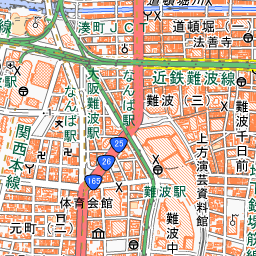
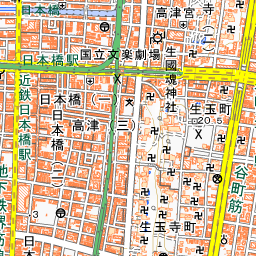
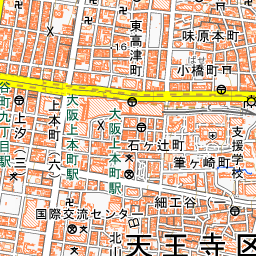

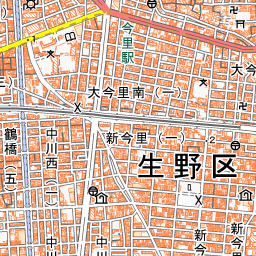
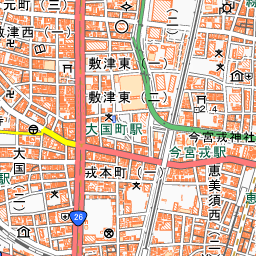
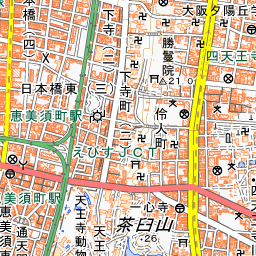
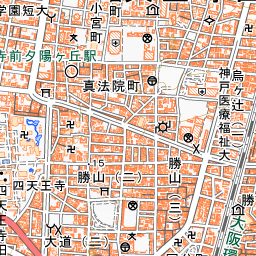
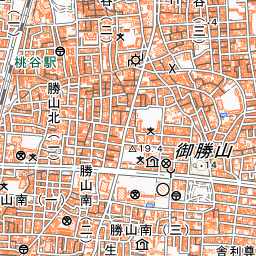
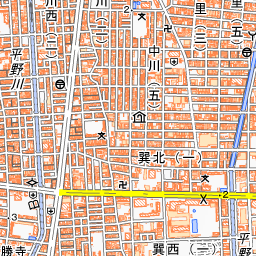

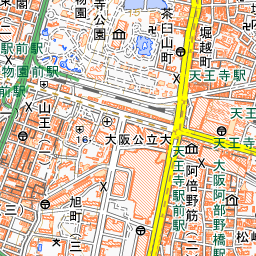

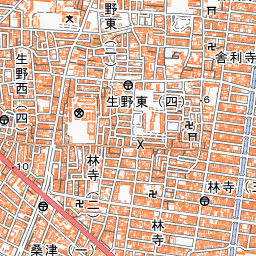
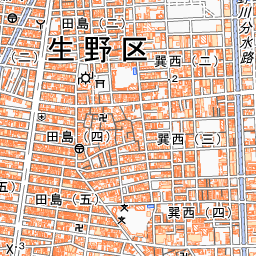
Spot location © OpenStreetMap contributors (ODbL)
Open in Google MapsGuides that include this spot (1)
Use asobot while you walk
- See where you are on the map and find spots nearby
- Listen to the guide's audio in course order, one after another (with subtitles)
- Walk to the next spot while following the map
Open on your phone
Scan to open this spot in asobot on your phone.