 ✨ AI Generated
Musashi Mitake-jinja Shrine
Japanese: 武蔵御嶽神社
Ome, Tokyo
This information was written by AI and may contain mistakes. Please check official sources for opening hours, fees, and other details before you go.
Found a mistake? Let us know with “✏️ Something's wrong” on this spot's screen in asobot →
🎧 Audio guide(1:09)
In short
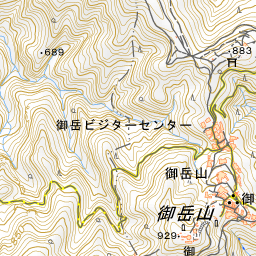
Musashi Mitake-jinja Shrine is a shrine whose grounds lie at the summit of Mt. Mitake, at an altitude of 929 meters. Said to have been founded during the reign of Emperor Sujin, it flourished as a center of Shugendo (mountain asceticism). It is known for venerating the wolf deity Okuchi Magami under the name "O-inu-sama."
- Wolf Komainu: The main hall features Edo-period bronze komainu (guardian statues) sculpted in the likeness of Japanese wolves.
- East-Facing Shrine Buildings: The shrine buildings were reoriented from facing south to facing east to serve as a "western defense" for Edo.
- Treasure Hall: Displays samurai armor and long swords, including the National Treasure Akaito-odoshi O-yoroi Armor.
History and Highlights
Musashi Mitake-jinja Shrine is a shrine whose grounds lie atop Mt. Mitake, at an altitude of 929 meters. Tradition holds that it was founded in the 7th year of the reign of the 10th emperor, Emperor Sujin. According to the oldest surviving documentary records, the Buddhist monk Gyoki is said to have enshrined a statue of Kongo Zao Gongen here in 736 (Tenpyo 8). From that point onward, the site became widely known as a center of Zao worship, Shugendo, and mountain worship. During the Kamakura period, it was revered by influential samurai warlords, and it is said that Hatakeyama Shigetada dedicated items such as armor, a saddle, and a long sword.
In 1606 (Keicho 11), the shrine buildings were rebuilt by order of Tokugawa Ieyasu following his relocation to the Kanto region. At this time, the buildings, which had previously faced south, were reoriented toward the east to act as the "western defense" of Edo. The current heiden (hall of offerings) and haiden (hall of worship) were built in 1700 (Genroku 13) by order of the 5th shogun, Tsunayoshi.
A defining characteristic of this shrine is the devotion to Okuchi Magami, also called "O-inu-sama." According to a legend told on Mt. Mitake, when Yamatotakeru-no-Mikoto lost his way during his eastern expedition, a white wolf guided him; Yamatotakeru-no-Mikoto is then said to have commanded the wolf to remain on the mountain as Okuchi Magami. Starting around the Tenpo era of the Edo period, Okuchi Magami came to be widely known as a deity protecting against evil and theft. In recent years, the shrine has also bustled with people praying for the health of their pet dogs.
Highlights for Visitors
- Wolf Komainu: The komainu of the main hall are Edo-period bronze sculptures bearing an inscription of 1783 (Tenmei 3), modeled after the Japanese wolf. The komainu in front of the shrine buildings were created by Kitamura Seibo, the sculptor of the Peace Statue in Nagasaki.
- Tokiwa Kakiwa-sha Shrine: Built in 1511 (Eisho 8) as the main hall, this sanctuary was relocated when the current main hall was reconstructed in 1877 (Meiji 10) and is designated a Tokyo Metropolitan Tangible Cultural Property.
- Talismans with Crescent-Moon Eyes: On the "O-inu-sama" talismans, the eyes are depicted in the shape of crescent moons. This is because the "Three Mitake of Japan" are likened to "snow, moon, and flowers," with Musashi Mitake-jinja Shrine assigned the "moon."
Tips for Exploring
Walking up from Mitakesan Station, visitors will climb a final staircase of about 330 steps to reach the shrine grounds. Within the tamagaki (sacred fence) behind the main hall sits Tokiwa Kakiwa-sha Shrine. Behind the main shrine is a small, carved shrine dedicated to Okuchi Magami. The Treasure Hall exhibits samurai armor and long swords, including the National Treasure Akaito-odoshi O-yoroi Armor. Beside the hall of worship is a large hall where Daidai Kagura sacred dances, designated a Tokyo Metropolitan Intangible Folk Cultural Property, are performed. Along the approach, monument stones dedicated by worshipers' associations (ko) from various regions stand in rows, displaying place names from across the Kanto area. The approach and the village of pilgrim lodgings (shukubo) are introduced in the Mt. Mitake entry.
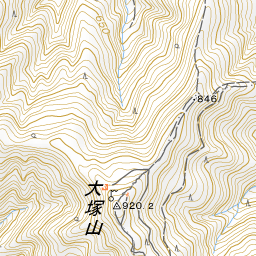

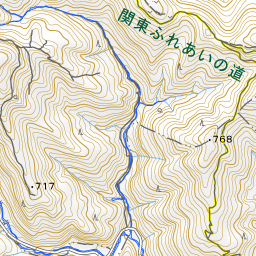
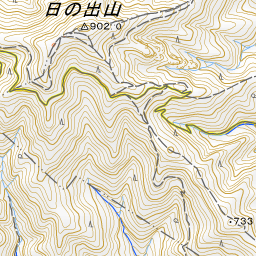
Spot location © OpenStreetMap contributors (ODbL)
Open in Google MapsGuides that include this spot (1)
Use asobot while you walk
- See where you are on the map and find spots nearby
- Listen to the guide's audio in course order, one after another (with subtitles)
- Walk to the next spot while following the map
Open on your phone
Scan to open this spot in asobot on your phone.