 ✨ AI Generated
Kyoto Aquarium
Japanese: 京都水族館
Shimogyo Ward, Kyoto
This information was written by AI and may contain mistakes. Please check official sources for opening hours, fees, and other details before you go.
Found a mistake? Let us know with “✏️ Something's wrong” on this spot's screen in asobot →
🎧 Audio guide(1:02)
In short
Kyoto Aquarium opened in Umekoji Park on March 14, 2012 (Heisei 24), as Kyoto City's first full-scale aquarium. Because Kyoto City is inland, it is one of the few aquariums in Japan that operates using 100% artificial seawater. Rain falling on the mountains of Tamba becomes rivers and reaches the sea, and the aquarium recreates this connection of water and the ecosystems of life that thrive within it.
- Giant Salamanders of Kyoto's Rivers: Known as one of the world's largest amphibians, the native Japanese giant salamander is designated as a national Special Natural Monument. There is also an exhibit that represents the Yura River from its upper reaches to its downstream waters within a single tank
- The Large Kyoto Sea Tank: The largest tank in the facility, where around 50 species swim in approximately 500 tons of artificial seawater. There is also an exhibit of red tilefish, called "guji"
- Jellyfish Wonder and Dolphin Stadium: Approximately 30 species of jellyfish are on display, along with the 360-degree panoramic tank "GURURI." At the Dolphin Stadium, you can feel the breathing of bottlenose dolphins up close
History and Highlights
Kyoto Aquarium is an aquarium located within Umekoji Park, which is filled with greenery and open lawns. On March 14, 2012 (Heisei 24), it opened on the north side of the park's lawn plaza as Kyoto City's first full-scale aquarium. Because Kyoto City is an inland city with no direct access to the ocean, it is one of the few aquariums in Japan that operates using 100% artificial seawater.
The exhibition concept is "Life Connected by Water." Rain falling on the mountains of Tamba becomes spring water, flows from small brooks into large rivers, and eventually reaches the sea. The aquarium recreates this connection of water and the ecosystems of life that thrive within it. Visitors can encounter a wide variety of creatures, from the giant salamanders living in Kyoto's rivers to fish from Kyoto's seas, penguins, seals, and dolphins.
Highlights and Experiences
- Giant Salamanders of Kyoto's Rivers: Known as one of the world's largest amphibians, the native Japanese giant salamander is designated as a national Special Natural Monument. Being nocturnal, they remain quiet during the day, but if you watch closely, you may spot them rising to the water's surface to breathe. There is also an exhibit that represents the Yura River from its upper reaches to its downstream waters within a single tank.
- The Large Kyoto Sea Tank: The largest tank in the facility, it recreates Kyoto's marine environment inside approximately 500 tons of artificial seawater. Around 50 species swim here, including red seabream, Asian sheepshead wrasse, sharks, and rays. There is also an exhibit of red tilefish—called "guji" and beloved as a high-grade ingredient in Kyoto cuisine—allowing visitors to observe them digging burrows up close.
- Jellyfish Wonder and Dolphin Stadium: Jellyfish Wonder showcases approximately 30 species of jellyfish. In the 360-degree panoramic tank "GURURI," visitors can enjoy an immersive experience as if stepping into a space surrounded by countless drifting moon jellyfish. At the Dolphin Stadium, you can feel the breathing of bottlenose dolphins up close, set against a 180-degree panoramic view.
Tips for Exploring
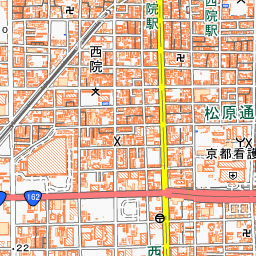
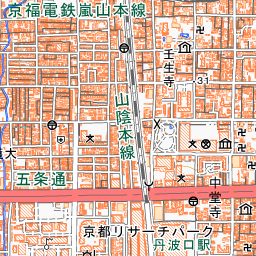
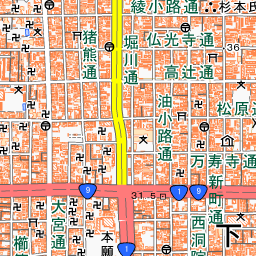
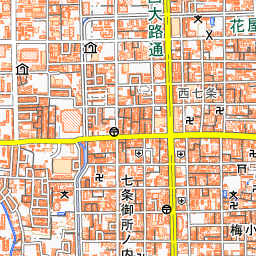
The aquarium is about a 7-minute walk from Umekoji-Kyotonishi Station on the JR San'in Main Line, and about 15 minutes from the Central Exit of Kyoto Station. From the upper rows of seating at the Dolphin Stadium, you can view the Shinkansen tracks and the five-story pagoda of To-ji Temple. Outdoors, there is also an area recreating Kyoto's satoyama (rural landscape) with rice paddies and Kyoto vegetable plots. Within the same Umekoji Park, about 500 meters to the west, lies the Kyoto Railway Museum, and the park's highlights are introduced under "Umekoji Park."


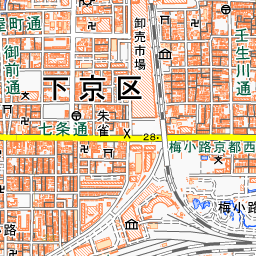
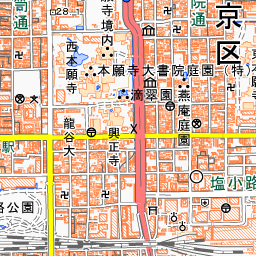
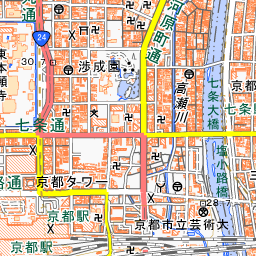
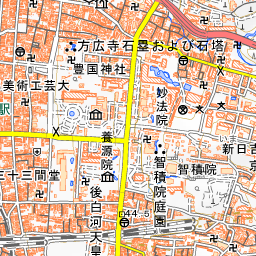
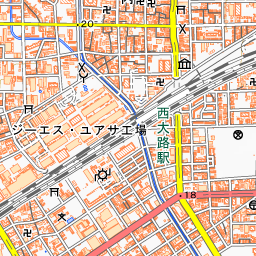
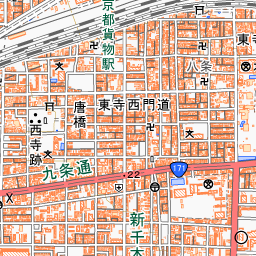
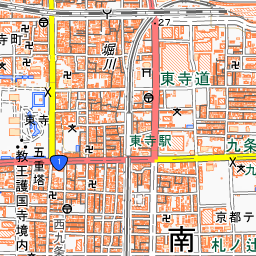
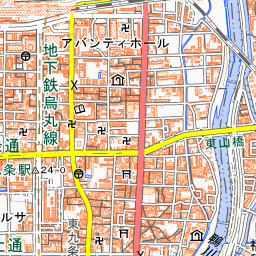
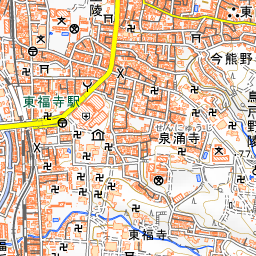
Spot location © OpenStreetMap contributors (ODbL)
Open in Google MapsGuides that include this spot (1)
Use asobot while you walk
- See where you are on the map and find spots nearby
- Listen to the guide's audio in course order, one after another (with subtitles)
- Walk to the next spot while following the map
Open on your phone
Scan to open this spot in asobot on your phone.