 ✨ AI Generated
Tokyo Metropolitan Teien Art Museum
Japanese: 東京都庭園美術館
Minato City, Tokyo
This information was written by AI and may contain mistakes. Please check official sources for opening hours, fees, and other details before you go.
Found a mistake? Let us know with “✏️ Something's wrong” on this spot's screen in asobot →
🎧 Audio guide(1:08)
In short
The Main Building of the Tokyo Metropolitan Teien Art Museum was constructed in 1933 as the residence of the imperial Prince Asaka family. Prominent French Art Deco designers were appointed for the interior design of the principal rooms. This Main Building is designated as a National Important Cultural Property. It opened as an art museum in 1983.
- Lalique Glass Doors: At the front entrance, visitors can see glass relief doors depicting winged female figures.
- The "Perfume Tower" in the Antechamber: A white porcelain tower designed by Henri Rapin stands in a room with a mosaic floor.
- Three Gardens: Featuring a Lawn Garden, a Japanese Garden, and a European Garden, each showing different expressions across the four seasons.
History and Highlights
Prince Asaka Yasuhiko went to study abroad in France in 1922. After he was involved in a traffic accident, Princess Nobuko traveled to Europe to care for him, and they stayed together until 1925. At that time, France was in the golden age of Art Deco. The couple also visited the Paris Art Deco Exposition and were fascinated by its stylistic beauty.
When constructing their residence, the couple commissioned the French decorative artist Henri Rapin to design the principal rooms. The architecture was handled by the Takumi-ryo (Construction Bureau) of the Imperial Household Ministry, with engineer Gondo Yokichi responsible for the basic design. During the actual construction, highly refined, traditional Japanese craftsmanship was demonstrated throughout. The Prince Asaka Residence was completed in 1933.
After the war, Yoshida Shigeru used it as the official residence for the Minister of Foreign Affairs and the Prime Minister, and it later served as a state guest house as well. In 1983, it opened as the Tokyo Metropolitan Teien Art Museum, and in 2015, the Main Building, tea house, and other structures were designated as National Important Cultural Properties. There is also an Annex built in 2013, with Sugimoto Hiroshi serving as the architectural advisor.
Viewing and Experience Points
- Glass Doors at the Front Entrance: Created by French glass artist René Lalique, these were newly designed specifically for the Prince Asaka Residence. The winged female figures were produced using a molded glass technique. While the original proposal featured nude female figures, design drawings still show the process by which they were changed to clothed figures at the request of the Japanese side.
- The Perfume Tower in the Antechamber and the Great Dining Hall: The white porcelain "Perfume Tower" standing in the antechamber with a mosaic floor was designed by Rapin in 1932 and manufactured at the Manufacture nationale de Sèvres. The origin of its name is said to come from the fact that the heat from the lighting at the top diffused the scent of perfume. In the Great Dining Hall, there is a lighting fixture by Lalique titled Pineapple and Pomegranate.
- Three Gardens: The expansive "Lawn Garden" has been preserved since the time of the Prince Asaka Residence. The "Japanese Garden" features undulating terrain and houses the tea house "Koka." The "European Garden" is equipped with benches, where visitors can enjoy Washington cherry blossoms in spring. Their expressions change through spring, summer, autumn, and winter.
Walking Tips
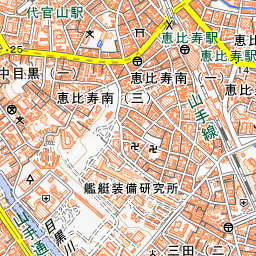
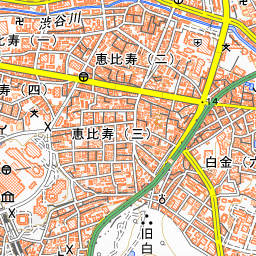
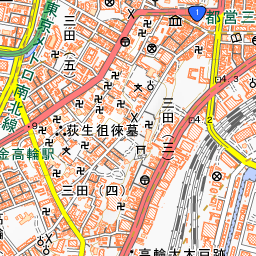
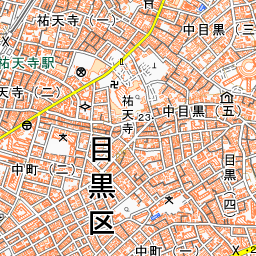
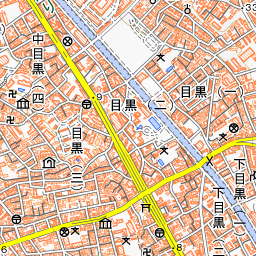
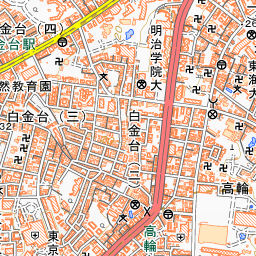
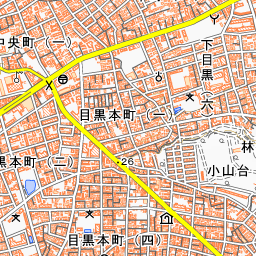
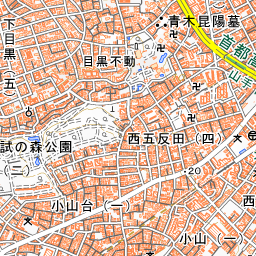
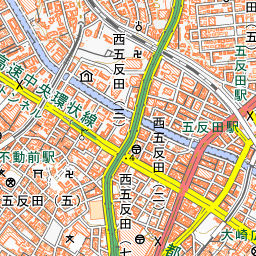
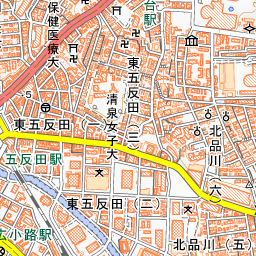
It is a 7-minute walk from the East Exit of Meguro Station on the JR Yamanote Line, and a 6-minute walk from Exit 1 of Shirokanedai Station on the Toei Mita Line and Tokyo Metro Namboku Line. With an exhibition ticket, you can also enter the gardens. During periods when only the gardens are open to the public, access to the Main Building and the Annex is not permitted.
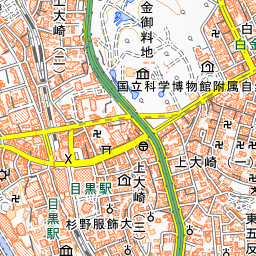
In the Main Building, first observe the glass doors at the front entrance. Proceeding from the Great Hall through the connecting antechamber to the Great Drawing Room, the colors shift to more brilliant hues. The central First Staircase leads to the family's private quarters on the second floor. The Institute for Nature Study, National Museum of Nature and Science is approximately 190 meters to the north.


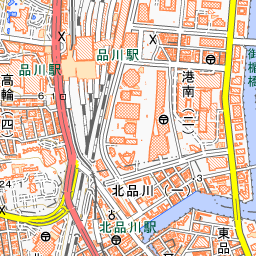
Spot location © OpenStreetMap contributors (ODbL)
Open in Google MapsGuides that include this spot (1)
Use asobot while you walk
- See where you are on the map and find spots nearby
- Listen to the guide's audio in course order, one after another (with subtitles)
- Walk to the next spot while following the map
Open on your phone
Scan to open this spot in asobot on your phone.