
Kamigoryo-jinja Shrine
Japanese: 上御霊神社
Kamigyo Ward, Kyoto
This information was written by AI and may contain mistakes. Please check official sources for opening hours, fees, and other details before you go.
Found a mistake? Let us know with “✏️ Something's wrong” on this spot's screen in asobot →
🎧 Audio guide(1:09)
In short
Formally named Goryo-jinja Shrine, it is said to have originated in 794 (Enryaku 13), the year the capital was established at Heian-kyo, when it was enshrined at the wish of Emperor Kanmu. It originally enshrined eight spirits who died in misfortune, and today thirteen deities are enshrined here, including Prince Sawara, now known as Emperor Sudo.
- Site of the Outbreak of the Onin War: On the 18th day of the first month of 1467 (Bunsho 2), Hatakeyama Masanaga and Hatakeyama Yoshinari fought a battle in this "Goryo no Mori," and this battle is known as the beginning of the Onin War
- Main Hall Linked to the Imperial Palace: The main hall, based on the remains of the Kashikodokoro Palace granted by the imperial court in 1733 (Kyoho 18), carries on its ties to the Imperial Palace to this day
- Goryo Matsuri Festival: On the festival day of May 18, a procession of floats (hoko), portable shrines (mikoshi), and ox-drawn carriages (goshoguruma) proceeds through the parishioners' neighborhoods
History and Highlights
Kamigoryo-jinja Shrine, officially named Goryo-jinja Shrine, is said to have originated in 794 (Enryaku 13), the year the capital was established at Heian-kyo, when it was enshrined at the wish of Emperor Kanmu. It originally enshrined eight spirits who died in misfortune from the Nara period to the early Heian period. Today, thirteen deities are enshrined here, including Prince Sawara (now known as Emperor Sudo), Kibi no Makibi, and Tachibana no Hayanari. The original eight deities are also referred to as the Hassho Goryo, which, in addition to Prince Sawara, include Imperial Princess Inoe and Prince Osabe.
The shrine grounds are known as "Goryo no Mori" (Forest of Goryo), and on the 18th day of the first month of 1467 (Bunsho 2), Hatakeyama Masanaga and Hatakeyama Yoshinari fought a battle here. This battle over the succession of the Hatakeyama family is known as the beginning of the Onin War. In the third month following the battle, the era name was changed to Onin, and from the fifth month, the conflict spread into a full-scale war between the Eastern and Western armies, centered around Kamigyo.
Viewing and Experience Highlights
- Site of the Outbreak of the Onin War: An information marker on the shrine grounds indicates this as the birthplace of the Onin War. Masanaga set up his camp in this forest with about 2,000 troops, and Yoshinari attacked with more than 3,000 troops. It is said that after a full day of battle, Masanaga's forces were defeated.
- Main Hall Linked to the Imperial Palace: The current main hall (honden) is based on the remains of the Kashikodokoro Palace, which was granted by the imperial court in 1733 (Kyoho 18), carrying on its ties to the Imperial Palace to this day.
- Goryo Matsuri Festival: On the festival day of May 18, a procession of floats (hoko), portable shrines (mikoshi), and ox-drawn carriages (goshoguruma) proceeds through the parishioners' neighborhoods. The shrine grounds are bustling with many people, including during the Yoimiya-sai (eve festival) held the day before.
Tips for Exploring
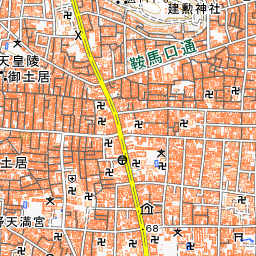
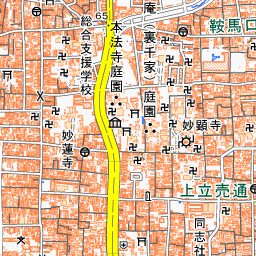
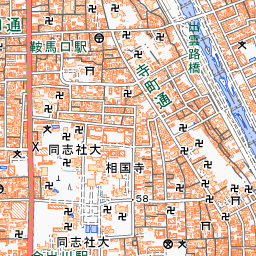
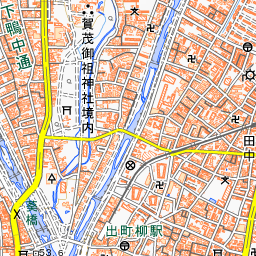
The shrine is about a 3-minute walk from Kuramaguchi Station on the Subway Karasuma Line. Its divine benefits are believed to include warding off evil, bringing good fortune, and academic success. Walking south brings you to Shokoku-ji Temple, and further south lies Kyoto Gyoen National Garden, which makes for a pleasant walk tracing the history of the Muromachi period. Shokoku-ji Temple is introduced in "Shokoku-ji Temple," and the imperial garden in "Kyoto Gyoen National Garden."
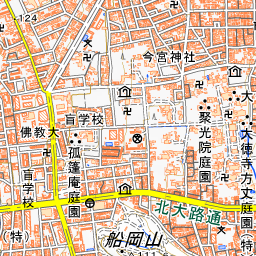
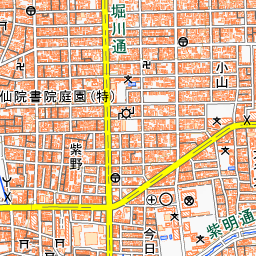

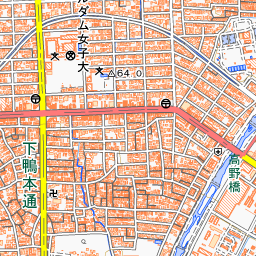
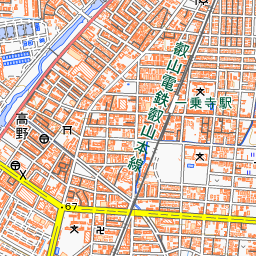
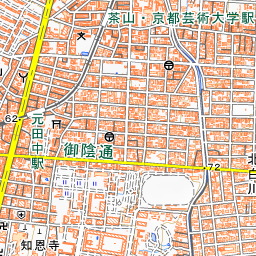


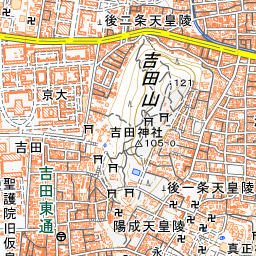
Spot location © OpenStreetMap contributors (ODbL)
Open in Google MapsUse asobot while you walk
- See where you are on the map and find spots nearby
- Listen to the guide's audio in course order, one after another (with subtitles)
- Walk to the next spot while following the map
Open on your phone
Scan to open this spot in asobot on your phone.