 ✨ AI Generated
Katano-jinja Shrine
Japanese: 片埜神社
Hirakata, Osaka
This information was written by AI and may contain mistakes. Please check official sources for opening hours, fees, and other details before you go.
Found a mistake? Let us know with “✏️ Something's wrong” on this spot's screen in asobot →
🎧 Audio guide(1:15)
In short
An ancient shrine located in Makino, Hirakata City, enshrining Takehayasusanoo no Mikoto, Sugawara no Michizane, Kotoshironushi no Okami, and nine other deities. After Toyotomi Hideyoshi designated it in 1583 (Tensho 11) as the shrine to protect the kimon (demon gate), or the northeastern direction, of Osaka Castle, it came to be known as a shrine that wards off misfortunes related to directions and the kimon.
- Momoyama-period Main Sanctuary (Honden): Rebuilt in 1602 (Keicho 7), the main sanctuary is built in the sangensha nagare-zukuri style with a hiwadabuki (cypress bark) roof, and is a national Important Cultural Property. Through repair work carried out from 2009 to 2011 (Heisei 21 to 23), the magnificent sanctuary was restored with red lacquer and brilliant multi-colored decorations
- Kaerumata Sculptures Decorating the Four Sides: The kaerumata (frog-leg shaped struts) that decorate the four sides of the main sanctuary feature pictorial and elaborate carvings such as "Tiger in Bamboo," "Wagtail on Cotton Rose," and "Brown-eared Bulbul on Camellia"
- South Gate, East Gate, and Stone Lantern: The South Gate is one of the few buildings from the beginning of the early modern period whose year of construction is clearly known. The South Gate, the East Gate, thought to date from the late Muromachi period, and a stone lantern from the Kamakura period are designated as Cultural Properties of Osaka Prefecture
History and Highlights
Katano-jinja Shrine is an ancient shrine located in Makino, Hirakata City. Its enshrined deities include Takehayasusanoo no Mikoto, Sugawara no Michizane, Kotoshironushi no Okami, and nine other deities. According to shrine tradition, it is said to have originated during the reign of Emperor Suinin, when Nomi no Sukune of Izumo came to rule this region and enshrined Takehayasusanoo no Okami as the guardian deity of the Haji clan. During the reign of Emperor Kinmei, it was granted the shrine name "Katano Shrine" and became the guardian shrine (ubusunasha) of Katano District, later being ranked as a Shikinaishosha (minor shrine listed in the Engishiki) during the Heian period. In 960 (Tentoku 4), Sugawara no Michizane, a descendant of the Haji clan, was also enshrined, and in the late Heian period, the shrine's name was changed to "Ichinomiya."
During the Kamakura and Muromachi periods, the shrine repeatedly suffered from fire due to conflicts such as the Genko Incident and the Battle of Miyoshi and Matsunaga, leading to repeated destruction and reconstruction. In 1583 (Tensho 11), Toyotomi Hideyoshi designated the shrine to protect the kimon (demon gate), or the northeastern direction, of Osaka Castle. From then on, it came to be known as a shrine that wards off misfortunes related to directions and the kimon. In 1602 (Keicho 7), Toyotomi Hideyori rebuilt the shrine buildings, appointing Katagiri Katsumoto as the commissioner-in-chief (so-bugyo). In the Meiji period, deities from nearby shrines were enshrined together here, and the shrine returned to its original name, "Katano-jinja Shrine," which continues to the present day.
Viewing and Experience Highlights
- Momoyama-period Main Sanctuary (Honden): Rebuilt in 1602 (Keicho 7), the main sanctuary is built in the sangensha nagare-zukuri style with a hiwadabuki (cypress bark) roof, and beautifully exhibits the gorgeous style of the Momoyama period down to the details. It is designated as a national Important Cultural Property, along with its munafuda (ridge plaques). Through repair work carried out from 2009 to 2011 (Heisei 21 to 23), the magnificent sanctuary was restored with red lacquer and brilliant multi-colored decorations.
- Kaerumata Sculptures Decorating the Four Sides: The kaerumata (frog-leg shaped struts) that decorate the four sides of the main sanctuary feature elaborate and pictorial carvings such as "Tiger in Bamboo," "Wagtail on Cotton Rose," and "Brown-eared Bulbul on Camellia," which are well worth seeing.
- South Gate, East Gate, and Stone Lantern: The South Gate is a shikyakumon (four-legged gate) rebuilt following the restoration of the shrine sanctuary in 1602, and is one of the few buildings from the beginning of the early modern period whose year of construction is clearly known. The East Gate is thought to date from the late Muromachi period; originally a munamon (ridge-gate), it was later remodeled into a compact four-legged gate. Together with a stone lantern from the Kamakura period, they are designated as Cultural Properties of Osaka Prefecture.
Walking Tips
It is about a 5-minute walk southeast from Makino Station on the Keihan Main Line. On the north side of the shrine is Makino Park, whose cherry blossoms are counted as one of the Eight Views of Hirakata under the name "Cherry Blossoms of Makino." In spring, visitors can enjoy both worshiping at the shrine grounds and visiting this famous cherry blossom spot.


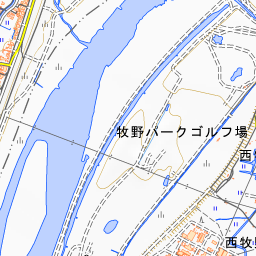


Spot location © OpenStreetMap contributors (ODbL)
Open in Google MapsUse asobot while you walk
- See where you are on the map and find spots nearby
- Listen to the guide's audio in course order, one after another (with subtitles)
- Walk to the next spot while following the map
Open on your phone
Scan to open this spot in asobot on your phone.