 ✨ AI Generated
Chofu City Mushakoji Saneatsu Memorial Museum
Japanese: 調布市武者小路実篤記念館
Chofu, Tokyo
This information was written by AI and may contain mistakes. Please check official sources for opening hours, fees, and other details before you go.
Found a mistake? Let us know with “✏️ Something's wrong” on this spot's screen in asobot →
🎧 Audio guide(1:02)
In short
The Chofu City Mushakoji Saneatsu Memorial Museum introduces the life and achievements of Mushakoji Saneatsu, who made significant contributions to a wide range of fields including literature and art. It opened in 1985 (Showa 60) next to the residence where Saneatsu spent the last 20 years of his life. The residence and its garden are open to the public as Saneatsu Park, which features spring-fed ponds.
- Saneatsu's books, calligraphy, and paintings: The museum houses books, paintings, calligraphy, manuscripts, and letters, holding exhibitions with rotating themes.
- Saneatsu Park: A garden located on the slope of the Kokubunji Cliff Line, with natural spring water serving as the source for the upper pond.
- Former Saneatsu Residence: The house where Saneatsu lived with his wife Yasuko, registered as a National Registered Tangible Cultural Property.
History and Highlights
The Chofu City Mushakoji Saneatsu Memorial Museum introduces the life and achievements of Mushakoji Saneatsu. From the Meiji through the Showa periods, Saneatsu left achievements in a broad array of fields, including literature, art, philosophy, and theater. The museum reads his family name as "Mushakoji" rather than "Mushanokoji," which comes from the fact that Saneatsu signed his name in the Latin alphabet as "Mushakoji."
Fulfilling his childhood wish to live near water, Saneatsu moved to Sengawa in 1955 (Showa 30) at the age of 70 together with his wife Yasuko. He then spent the remaining 20 years of his life here until his death in 1976 (Showa 51) at the age of 90. After his death, his residence and numerous materials were donated to Chofu City by his bereaved family. Following this, the memorial museum opened in 1985 (Showa 60). The museum was built not on the grounds of the residence itself, but on adjacent land, in order to alter the place where Saneatsu lived as little as possible.
The museum holds Saneatsu's books, paintings, calligraphy, manuscripts, letters, and art objects he collected. Rather than a permanent exhibition, it holds exhibitions with rotating themes such as literature and art. The reading room also contains copies of "Shirakaba," the literary magazine he co-founded, as well as books by his friends Shiga Naoya and Kishida Ryusei.
Points for Viewing and Experiencing
- Words added to paintings: "Nakayoki koto wa utsukushiki kana" (Harmonious relationships are a beautiful thing) is a short inscription known as a san, which Saneatsu added to his paintings of vegetables, flowers, and other subjects. Saneatsu began creating calligraphy and paintings around the age of 40 and continued his artistic work until just before his death.
- Saneatsu Park: The residence grounds sit on the Kokubunji Cliff Line, featuring the typical topography of a hake (cliff spring area) where water wells up midway down a steep slope. Within the park of approximately 5,000 square meters, there are two ponds, one large and one small. The upper pond is fed by a natural spring, while carp swim in the lower pond. It is connected to the memorial museum by an underground passageway.
- Former Saneatsu Residence: A single-story wooden house built in 1955 (Showa 30) and designed by architect Yamaguchi Yoshiharu. Here, Saneatsu wrote his autobiographical novel "Hitori no Otoko" (A Man) and produced many works of calligraphy and painting. In 2018, it was registered as a National Registered Tangible Cultural Property.
Walking Tips
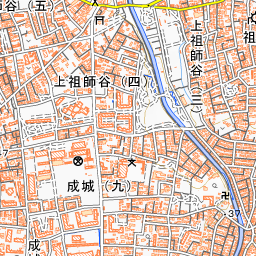
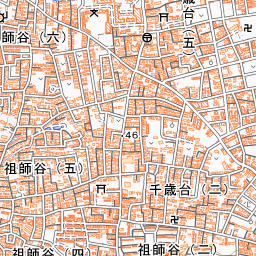
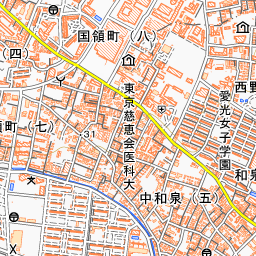
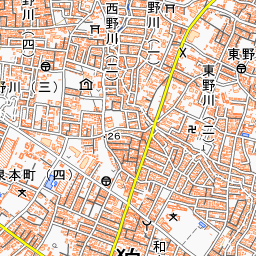
It is about a 10-minute walk from either the South Exit of Tsutsujigaoka Station or Sengawa Station on the Keio Line. The path running through the middle of Saneatsu Park is said to have been a farm road that existed before Saneatsu moved here. During his lifetime, Saneatsu set up shiorido (simple woven branch gates) facing the path to move back and forth across the garden. The tunnel beneath the path was created when the site was opened as a park. The grounds are planted with flowering trees and shrubs such as plum, kobushi magnolia, cherry, wisteria, and hydrangea, and you can take a rest in the gazebo.
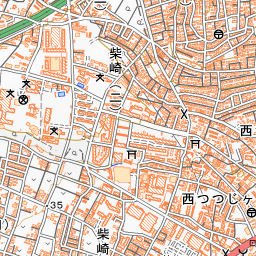
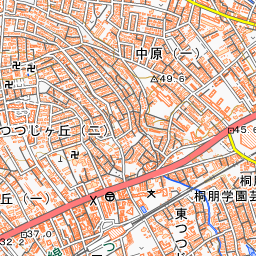
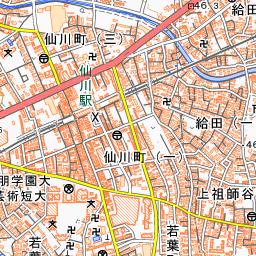
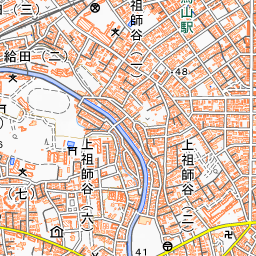
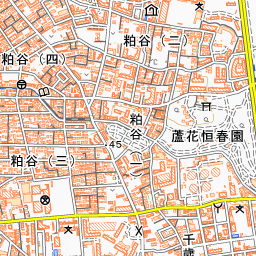
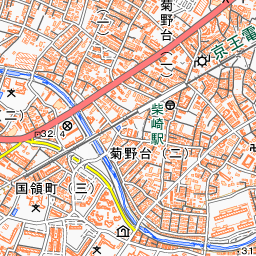
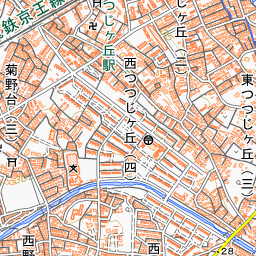
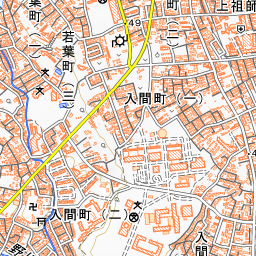
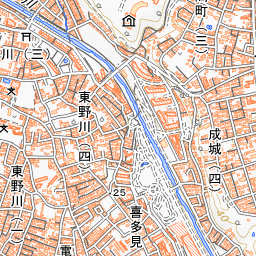
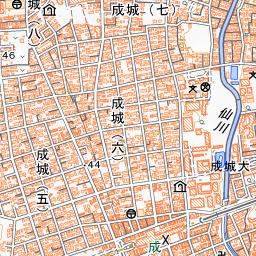
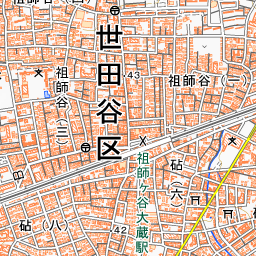
Spot location © OpenStreetMap contributors (ODbL)
Open in Google MapsUse asobot while you walk
- See where you are on the map and find spots nearby
- Listen to the guide's audio in course order, one after another (with subtitles)
- Walk to the next spot while following the map
Open on your phone
Scan to open this spot in asobot on your phone.