 ✨ AI Generated
Akagi-jinja Shrine
Japanese: 赤城神社
Shinjuku City, Tokyo
This information was written by AI and may contain mistakes. Please check official sources for opening hours, fees, and other details before you go.
Found a mistake? Let us know with “✏️ Something's wrong” on this spot's screen in asobot →
🎧 Audio guide(1:10)
In short
Akagi-jinja Shrine is the head tutelary shrine of Ushigome, located in Kagurazaka. Its origins are said to date back to 1300 (Shoan 2), when an influential clan moved from Ogo at the foot of Mount Akagi to Ushigome and enshrined a divided spirit from their home region's Akagi-jinja Shrine. The current shrine buildings were rebuilt under a regeneration project supervised by architect Kuma Kengo, drawing attention as a stylish shrine.
- Glass-walled shrine building: Highlights include the natural unpainted wood pillars and a roof that recreates traditional Yamato-buki roofing using steel plates.
- Auxiliary shrines on the grounds: Sub-shrines restored after the war, such as Keisetsu Tenjin and Shusse Inari-jinja Shrine, stand side by side.
- Mount Akagi and the giant centipede: The shrine features a sacred statue associated with an ancient text that recounts how the god of Akagi fought in the form of a giant centipede.
History and Highlights
Akagi-jinja Shrine is the head tutelary shrine of Ushigome. According to tradition, it began in 1300 (Shoan 2) when Ogo Hikotaro Shigeharu, a powerful local leader from Ogo at the foot of Mount Akagi in Gunma Prefecture, moved to Ushigome and enshrined the divided spirit of Akagi-jinja Shrine, the guardian deity of his homeland. The first sanctuary was located in present-day Waseda Tsurumakicho. It is said that Ota Dokan relocated it to Ushigomedai in 1460 (Kansho 1), and later, in 1555 (Koji 1), the Ushigome clan, descendants of the Ogo clan, moved it to its current location. In 1683 (Tenna 3), the Tokugawa Shogunate revered it as the head guardian of Ushigome, and it was celebrated as one of the "Three Shrines of Edo" alongside Hie-jinja Shrine and Kanda Myojin Shrine.
Its main deity is Iwatsutsuo no Mikoto, who is particularly worshipped as a god of fire prevention. Akagihime no Mikoto is also enshrined in the same hall.
The magnificent shrine buildings were destroyed by fire during the war on April 13, 1945. After being reconstructed following the war, the complex was revitalized into its current form through the Akagi-jinja Shrine Regeneration Project. Between 2009 and the following year, architect Kuma Kengo, who is also a parishioner, supervised the design, rebuilding the shrine pavilions and restoring the Kaguraden (sacred dance hall). All construction was completed with the Grand Festival Celebrating the Completion of the Main Hall in September 2010 (Heisei 22).
Viewing and Experience Points
- Glass-walled shrine building: Designed under Kuma Kengo's supervision, the main sanctuary features a modern, glass-walled design that has earned attention as a stylish shrine. Take time to admire the natural wood pillars and the roof, which recreates the traditional Yamato-buki style using steel plates.
- Auxiliary shrines on the grounds: Keisetsu Tenjin enshrines Sugawara no Michizane and was restored in 2005 (Heisei 17) with donations from the publisher Obunsha. It houses an inner sanctum inside the Kaguraden. Other sub-shrines include Yatsumimi-jinja Shrine, which enshrines Prince Shotoku; Shusse Inari-jinja Shrine, regarded as the guardian of Ushigome even before Akagi-jinja Shrine relocated here; and Toshogu, enshrining Tokugawa Ieyasu. These shrines, which could not be rebuilt immediately after the war, were all restored by 2010, when the regeneration project's construction was completed.
- Mount Akagi and the giant centipede: The grounds house a sacred statue titled "Mount Akagi and the Giant Centipede." An ancient text called the Nikkosanki records that the god of Mount Futarasan in Nikko and the god of Mount Akagi fought over Lake Chuzenji, with the god of Futarasan taking the form of a viper and the god of Akagi taking the form of a centipede. The site where they battled is said to be today's Senjogahara.
Walking Tips
The shrine is a 1-minute walk from Exit 1b of Kagurazaka Station on the Tokyo Metro Tozai Line, and a 5-minute walk from Exit 3A of Ushigome-kagurazaka Station on the Toei Oedo Line. Pass beneath the large torii gate, purify your mind and hands at the chozuya (water pavilion) at the entrance of the approach, and then proceed toward the shrine building. Please note that sitting down, eating, drinking, and smoking on the grounds are not permitted. The annual festival takes place on September 19. Zenkoku-ji Temple on Kagurazaka-dori Street is located approximately 470 meters to the southeast.
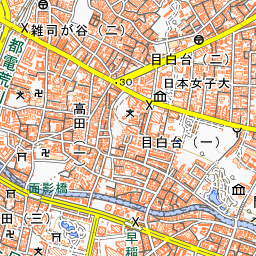
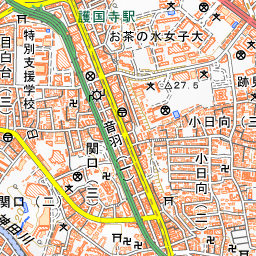
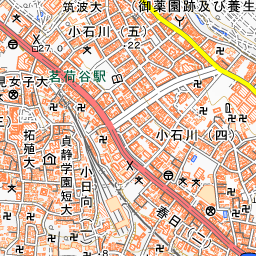

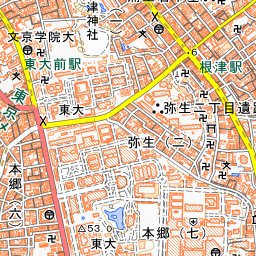
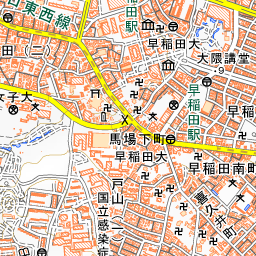
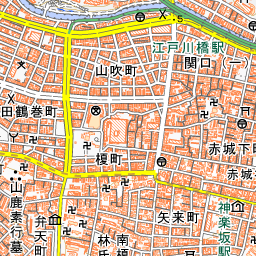
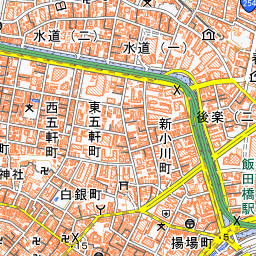
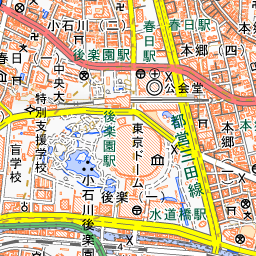
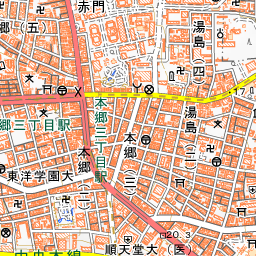
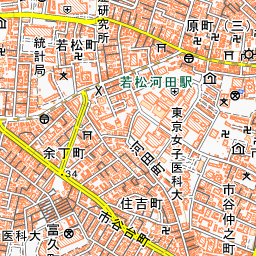
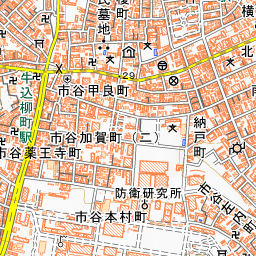
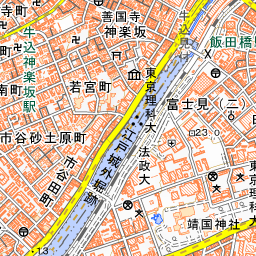

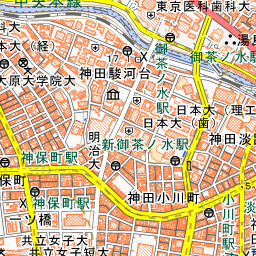
Spot location © OpenStreetMap contributors (ODbL)
Open in Google MapsGuides that include this spot (1)
Use asobot while you walk
- See where you are on the map and find spots nearby
- Listen to the guide's audio in course order, one after another (with subtitles)
- Walk to the next spot while following the map
Open on your phone
Scan to open this spot in asobot on your phone.