 ✨ AI Generated
Kita City Asukayama Museum
Japanese: 北区飛鳥山博物館
Kita City, Tokyo
This information was written by AI and may contain mistakes. Please check official sources for opening hours, fees, and other details before you go.
Found a mistake? Let us know with “✏️ Something's wrong” on this spot's screen in asobot →
🎧 Audio guide(1:08)
In short
Kita City Asukayama Museum is a municipal museum located inside Asukayama Park. It broadly introduces the history, archaeology, folklore, and nature of Kita City, having opened in March 1998 (Heisei 10). The permanent exhibition was renovated in 2010 (Heisei 22) and consists of one symbolic exhibit and 14 thematic exhibits.
- Symbolic Exhibit: Toshima Gunga Official Storehouse (Shoso): A reconstructed official rice storehouse from the Ritsuryo period. Visitors can touch the reconstructed storehouse.
- Full-scale Buildings: Full-scale exhibits include a pit dwelling from the Yayoi period, as well as a main house (omoya) and storehouse of a mizuzuka (flood-resistant mound) that convey everyday life in early modern times.
- Arakawa River Ecosystem: A diorama where visitors can observe the flora and fauna of the Arakawa River's waters and riverbanks.
History and Highlights
Kita City Asukayama Museum is a municipal museum established inside Asukayama Park, broadly presenting the history, archaeology, folklore, and nature of Kita City. It opened on March 27, 1998. In the spring of the same year, the Paper Museum and the main building of the Shibusawa Memorial Museum also opened, and together they are known as the "Three Museums of Asukayama."
The permanent exhibition was renovated in 2010. Based on the core concept of "Land, Water, and People," it consists of 14 chronological themes alongside exhibits symbolizing Kita City. Starting with "The Formation of the Land," it follows the passage of time through "Life of the Jomon People" and "Yayoi Villages." It then progresses to the Edo period with themes such as "Famous Sights: Oji, Asukayama, Takinogawa" and "Scenery along the Nikko Onari-michi." For modern and contemporary times, themes reflecting the distinctive lifestyle of this area are showcased, such as "Living with the Arakawa River" and "Vegetables and Seeds in the Tokyo Suburbs."
The symbolic exhibit, the Toshima Gunga official storehouse (shoso), is a reconstruction of a storehouse used for storing rice during the Ritsuryo period. It was reconstructed based on the archaeological findings from the Gotenmae and Nanasha-jinja Mae ruins, combined with estimates drawn from historical literature and the structures of storehouses from later eras. The museum's collection also includes ukiyo-e woodblock prints depicting cherry blossom viewing on Asukayama. Katsukawa Shuncho's "Cherry Blossom Viewing at Asukayama" depicts men and women of all ages and social statuses dressed in fine clothes, strolling beneath cherry blossoms in full bloom. The Asukayama Monument is depicted prominently near the center of the print, and the monument still stands in the park today.
Highlights for Viewing and Experiencing
- Full-scale Buildings: In addition to the Toshima Gunga official storehouse, a Yayoi-period pit dwelling, along with a main house (omoya) and a storehouse of a mizuzuka illustrating early modern life, stand in full scale. Visitors can touch the reconstructed official storehouse.
- Authentic Artifacts and Video Displays: The exhibits include authentic artifacts such as a dugout canoe excavated from the Nakazato Shell Mound. At the "Gozasho of Kinrin-ji Temple," video presentations introduce Kita City during the Edo period.
- Diorama of the Arakawa River Ecosystem: Visitors can observe the state of plants and animals both underwater and along the riverbanks of the Arakawa River.
Tips for Exploring
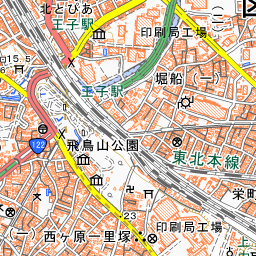
It is a 5-minute walk from the South Exit of JR Oji Station, and a 7-minute walk from Nishigahara Station on the Tokyo Metro Namboku Line.
The entrance is located on the second floor. Descending the stairs from the entrance hall leads to the permanent exhibition room on the first floor. Audio guides are available in Japanese, English, Chinese, and Korean. The third floor houses the Asukayama Art Gallery, a reading corner, and a cafe.
After viewing the exhibits, take a walk outside through Asukayama Park. Near the center of the park stands the Asukayama Monument depicted in the ukiyo-e print. Very close by is the Shibusawa Memorial Museum, located about 50 meters south-southeast of the museum. For information about the cherry blossoms, hydrangeas, and the Asukargo monorail, please refer to the guide for Asukayama Park.
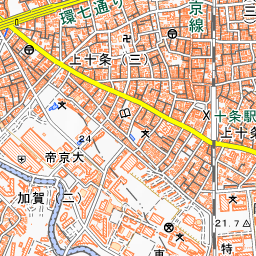
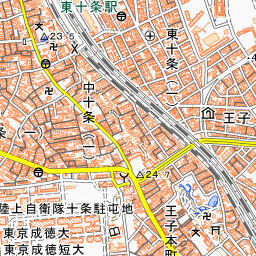
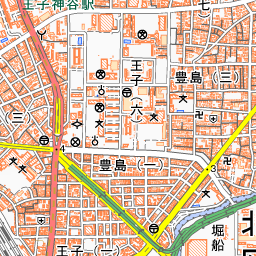
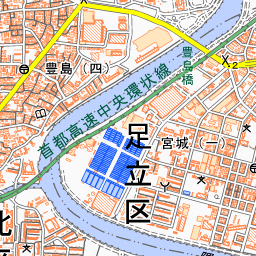
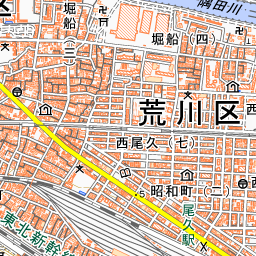
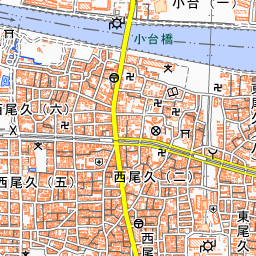
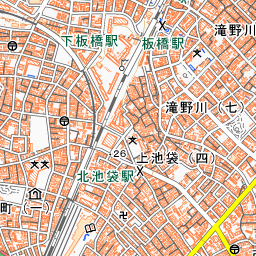
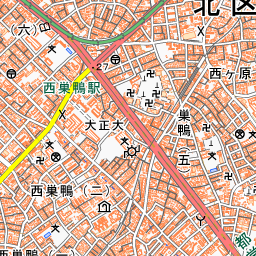
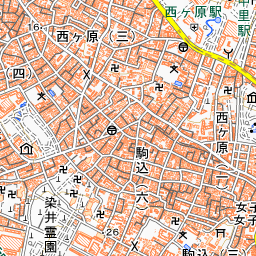
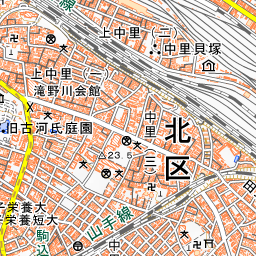
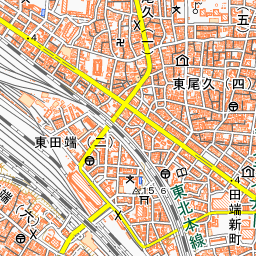
Spot location © OpenStreetMap contributors (ODbL)
Open in Google MapsUse asobot while you walk
- See where you are on the map and find spots nearby
- Listen to the guide's audio in course order, one after another (with subtitles)
- Walk to the next spot while following the map
Open on your phone
Scan to open this spot in asobot on your phone.