
Kannon-ji Temple
Japanese: 観音寺
Oyamazaki Town, Kyoto
This information was written by AI and may contain mistakes. Please check official sources for opening hours, fees, and other details before you go.
Found a mistake? Let us know with “✏️ Something's wrong” on this spot's screen in asobot →
🎧 Audio guide(1:15)
In short
Kannon-ji Temple stands at the foot of Mt. Tennozan. Known as "Yamazaki Shoten Temple" and called "Shoten-san" by locals, it is deeply revered by the people of the Keihanshin region. According to temple tradition, it was founded in the Heian period by imperial decree of Emperor Uda, and in the Edo period, Mokujiki Iku revived it.
- Shoten-do Hall and the hidden Buddha Kangiten: Kangiten, also known as Shoten, is enshrined in the Shoten-do Hall next to the main hall. A hidden image, it is said to be a dual-bodied statue of guardian deities with elephant heads and human bodies embracing atop a lotus
- Bronze lantern donated by the Sumitomo family: It is said that touching it leads to business prosperity, and it serves as a reminder of the devotion of wealthy merchants
- Cherry blossoms, autumn foliage, and town views: Many cherry trees were planted on the eastern slope of the grounds in the early Showa period, and cherry blossoms in spring and autumn foliage adorn the grounds. Below, a view of the town of Oyamazaki spreads out
History and Highlights
Kannon-ji Temple is a temple located at the foot of Mt. Tennozan, also known as "Yamazaki Shoten Temple" and affectionately called "Shoten-san" by locals, and is deeply revered by the people of the Keihanshin region. According to temple tradition, it was founded during the Heian period by imperial decree of Emperor Uda. Later, in the Edo period, Mokujiki Iku revived the temple and arranged the halls and pagodas. Mokujiki Iku was a monk from Katsuo-ji Temple in Settsu, and this is said to have occurred in 1681 (the 9th year of the Enpo era).
Beside the main hall stands the Shoten-do Hall, which flourished during the Edo period by attracting the devotion of the imperial court, the Tokugawa family, and Osaka merchants praying for worldly benefits. Wealthy merchant families such as Sumitomo, Mitsui, and Konoike also made donations. The temple was burned down in the aftermath of the Kinmon Incident in 1864 (the 1st year of the Genji era), and the current temple complex was rebuilt during the Meiji period. The main hall is the relocated main hall of Nishi Kannon-ji Temple, which was lost during the Haibutsu Kishaku (anti-Buddhist movement). The principal image of the Eleven-faced, Thousand-armed Kannon Bodhisattva and the hidden image of Kangiten escaped destruction by fire because they were evacuated in advance.
Points for Viewing and Experience
- Shoten-do Hall and the Hidden Buddha Kangiten: Kangiten, also known as Shoten, is enshrined in the Shoten-do Hall next to the main hall. A hidden image, it is said to be a dual-bodied statue of guardian deities with elephant heads and human bodies embracing atop a lotus. Visitors also come seeking marital harmony and children.
- Bronze Lantern Donated by the Sumitomo Family: Within the precincts is a magnificent bronze lantern donated by the Sumitomo family. It is said that touching it leads to business prosperity, serving as a reminder of the devotion of wealthy merchants.
- Cherry Blossoms, Autumn Foliage, and Town Views: On the eastern slope of the temple grounds, many cherry trees were planted in the early Showa period, adorning the grounds with cherry blossoms in spring and vibrant foliage in autumn. Below, a view of the town of Oyamazaki spreads out. At the spring Flower Festival (Hana Matsuri), bugaku (court dance and music) is dedicated by children.
Walking Tips
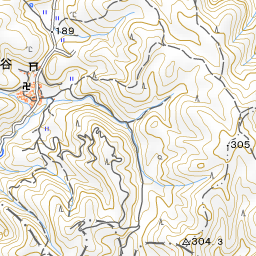
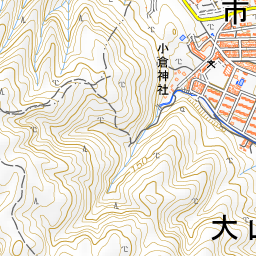
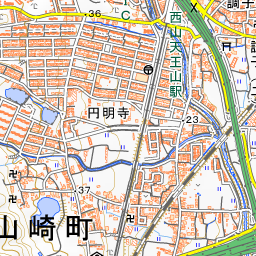
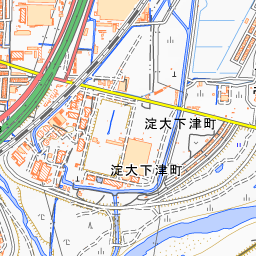
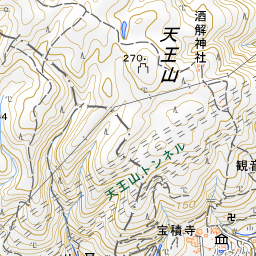
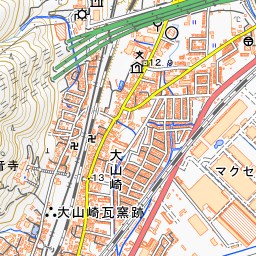
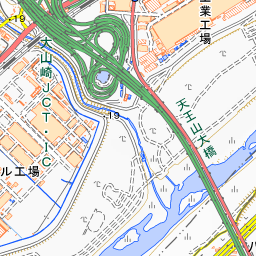
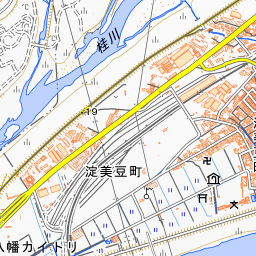
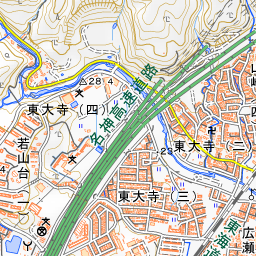
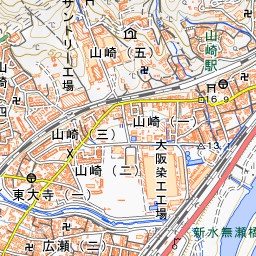
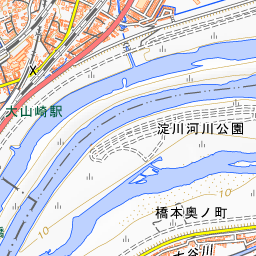
It is about a 20-minute walk from both JR Yamazaki Station and Hankyu Oyamazaki Station. Admission to the grounds is free. The south gate connects to the hiking trail of Mt. Tennozan, with the ceramic picture map of the "Hideyoshi-no-Michi Path" and the Hatatatematsu Observation Deck nearby. It is also nice to stroll around the middle slopes of Mt. Tennozan along with Hoshaku-ji Temple and the Asahi Group Oyamazaki Villa Museum of Art.

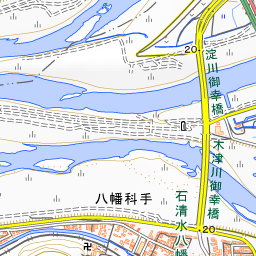
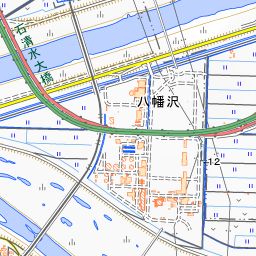
Spot location © OpenStreetMap contributors (ODbL)
Open in Google MapsUse asobot while you walk
- See where you are on the map and find spots nearby
- Listen to the guide's audio in course order, one after another (with subtitles)
- Walk to the next spot while following the map
Open on your phone
Scan to open this spot in asobot on your phone.