 ✨ AI Generated
Toyouke Daijinja Shrine
Japanese: 豊受大神社
Fukuchiyama, Kyoto
This information was written by AI and may contain mistakes. Please check official sources for opening hours, fees, and other details before you go.
Found a mistake? Let us know with “✏️ Something's wrong” on this spot's screen in asobot →
🎧 Audio guide(1:09)
In short
A shrine in Amadauchi, Oe-cho, Fukuchiyama City, known as "Motoise Geku" (the former outer shrine of Ise). The enshrined deity, Toyouke no Okami, is regarded as the guardian deity of food, clothing, and shelter, and of industry in general. According to legend, the shrine is held to have begun when Amaterasu Omikami was enshrined in this land and Toyouke no Okami was enshrined together with her, and this site is said to be the original shrine (motomiya) of the Ise Jingu Geku.
- Kuroki Torii: Climbing the stone steps that extend straight into the grounds, you will find a traditional "Kuroki Torii" gate made using logs that still retain their bark. Passing beneath it reveals the kagura hall and the main hall
- Simple Shrine Pavilions and Many Auxiliary Shrines: Devoid of gaudy decoration, the shrine pavilions maintain a simple and dignified appearance reminiscent of Ise Jingu. Subordinate shrines (massha) and auxiliary shrines (betsugu) encircle the main hall, and there is a surprisingly large number of auxiliary and subordinate shrines dedicated to various deities
- Motoise Three Shrines: It is one of the "Motoise Three Shrines," together with Kotai-jinja Shrine and Ama-no-Iwato-jinja Shrine, and corresponds to the outer shrine. In 2007 (Heisei 19), the precinct area of the three shrines was designated as part of the Tango-Amanohashidate-Oeyama Quasi-National Park
History and Highlights
Toyouke Daijinja Shrine, enshrined in Amadauchi, Oe-cho, Fukuchiyama City, is a shrine known as "Motoise Geku" (the former outer shrine of Ise). The enshrined deity is Toyouke no Okami, who is widely regarded as the guardian deity of food, clothing, shelter, and industry.
According to legend, its origin dates back to when Amaterasu Omikami was enshrined in this land, and Toyouke no Okami was enshrined together with her. Four years later, Amaterasu Omikami traveled through various regions in search of a further sacred site, eventually coming to be enshrined at the present Ise Jingu Shrine. It is passed down that in the 22nd year of Emperor Yuryaku's reign, an oracle from Amaterasu Omikami led to Toyouke no Okami being enshrined at the present site of Ise Geku. For these reasons, this site is said to be the original shrine (motomiya) of the Ise Jingu Geku.
The main hall (honden) and kagura hall within the grounds, as well as the main halls of four auxiliary shrines (betsugu), are provisionally registered cultural properties of Kyoto Prefecture. Devoid of gaudy decoration, the shrine pavilions maintain a simple and dignified appearance reminiscent of Ise Jingu. In 2007 (Heisei 19), the precinct area of the three Motoise shrines was designated as part of the Tango-Amanohashidate-Oeyama Quasi-National Park.
Points for Appreciation and Experience
- Kuroki Torii: Climbing the stone steps that extend straight into the grounds, you will find a traditional "Kuroki Torii" gate made using logs that still retain their bark. Passing beneath it reveals the kagura hall and the main hall.
- Auxiliary and Subordinate Shrines Surrounding the Main Hall: The precinct features a unique layout where subordinate shrines (massha) and auxiliary shrines (betsugu) encircle the main hall. There is a surprisingly large number of auxiliary and subordinate shrines dedicated to various deities.
- Starting the Motoise Three Shrine Pilgrimage: If visiting the "Motoise Three Shrines" alongside Kotai-jinja Shrine and Ama-no-Iwato-jinja Shrine, following the custom of Ise Jingu by starting at Toyouke Daijinja Shrine—which corresponds to the outer shrine—and then proceeding to Kotai-jinja Shrine and Ama-no-Iwato-jinja Shrine is generally considered customary.
Travel Tips
Reaching the main hall requires climbing over one hundred stone steps. It is about a 15-minute walk from Oe-kokomae Station on the Kyoto Tango Railway, and a 5-minute walk from the "Geku" bus stop on the Fukuchiyama Municipal Bus. Kotai-jinja Shrine, known as the Motoise Naiku, is located about 3 km to the north, and Ama-no-Iwato-jinja Shrine situated further back is also about 3 km to the north.
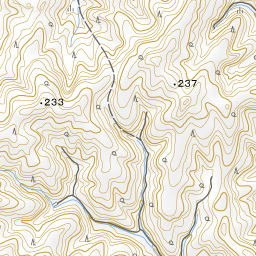


Spot location © OpenStreetMap contributors (ODbL)
Open in Google MapsGuides that include this spot (1)
Use asobot while you walk
- See where you are on the map and find spots nearby
- Listen to the guide's audio in course order, one after another (with subtitles)
- Walk to the next spot while following the map
Open on your phone
Scan to open this spot in asobot on your phone.