 ✨ AI Generated
Hiroshima Gokoku-jinja Shrine
Japanese: 広島護国神社
Naka Ward, Hiroshima
This information was written by AI and may contain mistakes. Please check official sources for opening hours, fees, and other details before you go.
Found a mistake? Let us know with “✏️ Something's wrong” on this spot's screen in asobot →
🎧 Audio guide(1:01)
In short
Hiroshima Gokoku-jinja Shrine rests on the grounds of Hiroshima Castle. The shrine honors approximately 92,000 spirits of those who died in wars and incidents from the Meiji period through the end of the last major war. Among them, about 10,000 are individuals such as mobilized students and members of the Women's Volunteer Corps (Joshi Teishintai) who fell victim to the atomic bombing during labor service.
- Shrine Buildings within the Castle Grounds: The shrine buildings stand amid the greenery of the Hiroshima Castle grounds, with the castle tower located close by. Visitors can worship while sensing the historic setting of the castle grounds
- Reconstruction after the Atomic Bombing: On August 6, 1945, all the shrine buildings were burned down by the atomic bomb. New shrine buildings were erected on the Hiroshima Castle grounds in the autumn of 1956, and the present main hall (honden) and worship hall (haiden) were completed in 1993
- Carp Statues: In association with Rijo (Carp Castle), the alternate name of Hiroshima Castle, a pair of carp statues and a statue of an ascending carp are situated at the worship hall. The shrine is also known as a place where the Hiroshima Toyo Carp, the local baseball team, visits before the start of the season to pray for victory
History and Highlights
Hiroshima Gokoku-jinja Shrine is a shrine situated on the grounds of Hiroshima Castle. Its origins date back to December of the first year of the Meiji period (1868), when 78 spirits who died in the Boshin War were enshrined in a sanctuary established in Futabanosato. In 1875, it became a government-sponsored shrine known as Kansai Shokonsha, and in 1934, new shrine buildings were constructed at the western edge of what was then the West Parade Ground, where the shrine was relocated. It received its current name, Hiroshima Gokoku-jinja Shrine, in 1939.
On August 6, 1945, all the shrine buildings were destroyed by the atomic bomb. For a period after the war, rituals continued at a small shrine, and following the reconstruction of the city of Hiroshima, new shrine buildings were erected on the Hiroshima Castle grounds in the autumn of 1956. The present main hall (honden) and worship hall (haiden) were completed in 1993.
The shrine honors approximately 92,000 spirits of those who died in wars and incidents from the Meiji period through the end of the last major war. Among them, about 10,000 are individuals such as mobilized students and members of the Women's Volunteer Corps (Joshi Teishintai) who fell victim to the atomic bombing during labor service.
Highlights of Appreciation and Experience
- Shrine Buildings within the Castle Grounds: The shrine buildings stand amid the greenery of the Hiroshima Castle grounds, with the castle tower located close by. Visitors can worship while experiencing the historic setting of the castle grounds.
- Carp Statues: Hiroshima Castle is also known by the alternate name Rijo (Carp Castle). Associated with this, a pair of carp statues and a statue of an ascending carp are situated at the worship hall, and the shrine is known for its deep connection to carp.
- Carp Victory Prayers: The shrine is also known as a place where the local professional baseball team, the Hiroshima Toyo Carp, visits before the start of the season to pray for victory.
Walking Tips
Because the shrine is located within the grounds of Hiroshima Castle, it is recommended to tour the castle tower and other highlights of the castle ruins together with the spot "Hiroshima Castle." With a short walk, you can also easily reach Shukkeien Garden, the Hiroshima Prefectural Art Museum, and the Atomic Bomb Dome. As this shrine also enshrines the students who died in the atomic bombing, take time to pay a quiet visit while reflecting on its history.
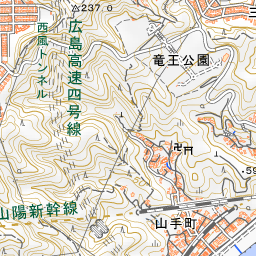
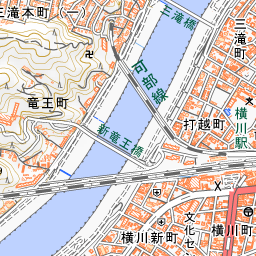
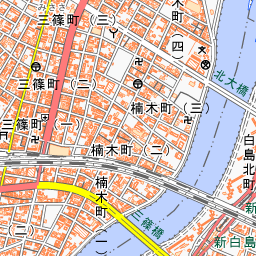
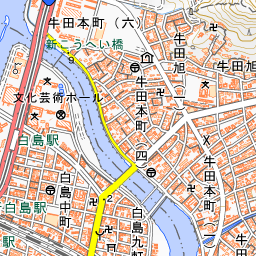
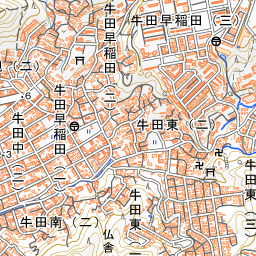

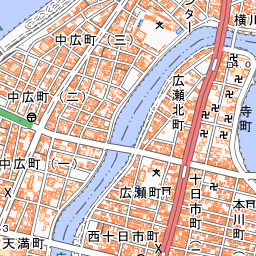
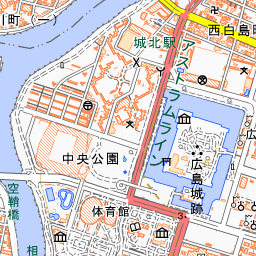
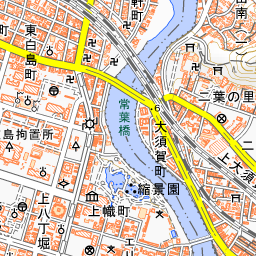
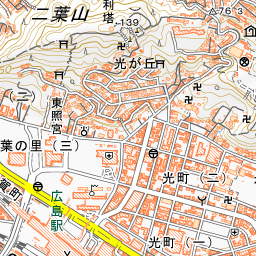
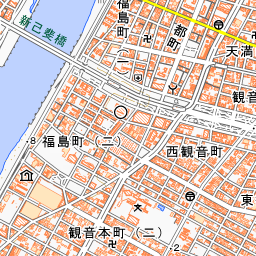
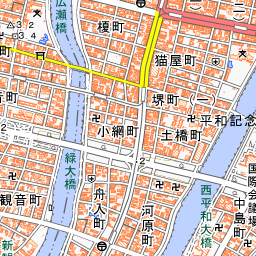
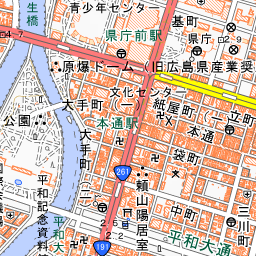
Spot location © OpenStreetMap contributors (ODbL)
Open in Google MapsGuides that include this spot (1)
Use asobot while you walk
- See where you are on the map and find spots nearby
- Listen to the guide's audio in course order, one after another (with subtitles)
- Walk to the next spot while following the map
Open on your phone
Scan to open this spot in asobot on your phone.