 ✨ AI Generated
Yoshino-jingu Shrine
Japanese: 吉野神宮
Yoshino Town, Nara
This information was written by AI and may contain mistakes. Please check official sources for opening hours, fees, and other details before you go.
Found a mistake? Let us know with “✏️ Something's wrong” on this spot's screen in asobot →
🎧 Audio guide(1:10)
In short
Yoshino-jingu Shrine is located in the northern part of Mt. Yoshino and enshrines Emperor Go-Daigo. It stands on Jorokudaira, a spacious plateau at the foot of Mt. Yoshino. Its construction was decided upon the wishes of Emperor Meiji, and the shrine buildings were completed in 1892. The complex of shrine buildings arranged in the early Showa period was designated a national Important Cultural Property in 2022.
- North-Facing Shrine Buildings: Reflecting Emperor Go-Daigo's yearning to return to Kyoto, the honden (main hall), haiden (worship hall), and shinmon (shrine gate) were built facing north, toward the direction of Kyoto.
- Design by Sunami Takashi: It is one of the earliest shrines designed by Sunami Takashi and built under the direct management of the Shrine Bureau of the Ministry of Home Affairs.
- Approach with Cherry Blossoms and Autumn Leaves: Beyond the Otorii grand gate lies a tree-lined approach featuring rows of cherry blossoms in spring and a tunnel of autumn foliage in fall.
History and Highlights
Yoshino-jingu Shrine is situated in the northern part of Mt. Yoshino. The enshrined deity is Emperor Go-Daigo, who established the Yoshino Court (Southern Court) in this area.
Emperor Go-Daigo passed away in 1339. Following his death, his son, Emperor Go-Murakami, placed a statue of his father at Yoshimizuin. In the Meiji period, Yoshimizuin was converted into a Shinto shrine called Yoshimizu-jinja Shrine due to the separation of Shinto and Buddhism. In 1889, upon the wishes of Emperor Meiji, the founding of Yoshinonomiya as a Kanpei-chusha (government-supported mid-ranking shrine) enshrining Emperor Go-Daigo was decided. The shrine buildings were completed in 1892, and a relocation ceremony was held to transfer the statue of Emperor Go-Daigo from Yoshimizu-jinja Shrine. In 1901, it was elevated to a Kanpei-taisha (government-supported major shrine), and in 1918, its name was changed to Yoshino-jingu Shrine.
The current shrine buildings were arranged from the late Taisho period to the early Showa period. The honden was built in 1927, the haiden in 1928, and the shinmon gate in 1929. They were designed by Sunami Takashi of the Shrine Bureau of the Ministry of Home Affairs. The grounds are divided into three sections, rising in elevation toward the honden. The intricate, overlapping rooflines created by the interconnected buildings are also a major highlight. The group of shrine buildings was designated a national Important Cultural Property in 2022.
Points for Appreciation and Experience
- North-Facing Shrine Buildings: Honoring Emperor Go-Daigo's wish to return to the Imperial Palace in Kyoto, the honden, haiden, and shinmon gate are built facing north toward Kyoto.
- Built Entirely of Japanese Cypress: The shrine buildings are constructed entirely of Japanese cypress (hinoki), combining architectural styles including nagare-zukuri, irimoya-zukuri (hip-and-gable), and kirizuma-zukuri (gabled).
- Sessha Shrines Enshrining Loyal Retainers of the Southern Court: The auxiliary sessha shrines on the grounds—Mikage-jinja Shrine, Funaoka-jinja Shrine, and Takizakura-jinja Shrine—enshrine loyal retainers of the Southern Court, including Hino Suketomo and Kojima Takanori.
Walking Tips
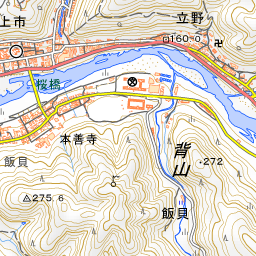
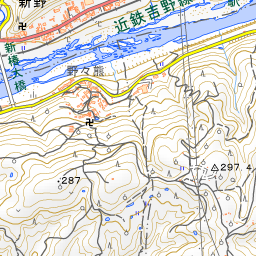
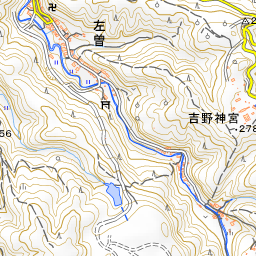
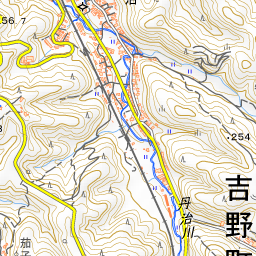
Yoshino-jingu Shrine is located on Jorokudaira, a wide plateau at the foot of Mt. Yoshino. It is about a 20-minute walk from Yoshino-jingu Station on the Kintetsu Yoshino Line. Beyond the Otorii grand gate, you will find cherry tree avenues in spring and a tunnel of colorful autumn leaves in fall. From the shrine grounds, you can gaze out toward Mt. Kongo and Mt. Katsuragi in the distance. September 27 is the Autumn Grand Festival, which marks the anniversary of Emperor Go-Daigo's passing. Yoshinoyama Station on the Yoshino Ropeway is approximately 1.6 km southeast of here.
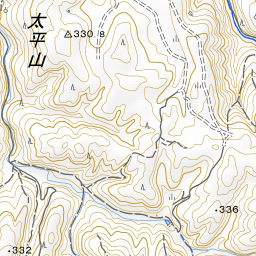
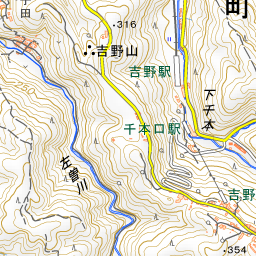
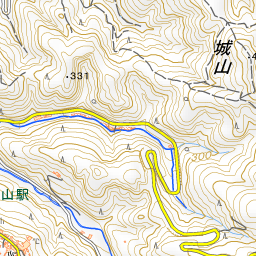
Spot location © OpenStreetMap contributors (ODbL)
Open in Google MapsUse asobot while you walk
- See where you are on the map and find spots nearby
- Listen to the guide's audio in course order, one after another (with subtitles)
- Walk to the next spot while following the map
Open on your phone
Scan to open this spot in asobot on your phone.