 ✨ AI Generated
Kanchi-in Temple
Japanese: 観智院
Minami Ward, Kyoto
This information was written by AI and may contain mistakes. Please check official sources for opening hours, fees, and other details before you go.
Found a mistake? Let us know with “✏️ Something's wrong” on this spot's screen in asobot →
🎧 Audio guide(1:05)
In short
Kanchi-in Temple is a sub-temple of To-ji Temple and serves as a kangaku-in (academy) for the Shingon sect. It has been a place of study for To-ji Temple since the 14th century, and it was founded by Goho, one of the scholarly monks known as the Three Treasures of To-ji Temple. In the Edo period, Tokugawa Ieyasu designated Kanchi-in Temple as the academy for the entire Shingon sect.
- The National Treasure Guest Hall and Paintings by Miyamoto Musashi: The current structure was built in 1605, and the National Treasure guest hall (kyakuden) features an eye-catching curved gable above the entrance. The guest hall houses the "Painting of Eagles" and "Painting of Bamboo Grove" created by the master swordsman Miyamoto Musashi
- Five Great Kokuzo Bodhisattvas: The statues in the main hall are said to have been brought back from China in the 9th century by Eun, a disciple of Kukai, and they are depicted riding a horse, a lion, an elephant, a peacock, and the mythical bird Garuda
- The Garden of Four Fronts and Sutra Copying: The temple has the "Garden of Four Fronts" (Shiho Shomen no Niwa), created by modifying a Momoyama-period dry landscape garden, and one room is open as a space where visitors can practice sutra copying (shakyo)
History and Highlights
Kanchi-in Temple is a sub-temple of To-ji Temple and serves as a kangaku-in (academy) for the Shingon sect. A kangaku-in is like a university research institute, and Kanchi-in Temple has served as a place of study for To-ji Temple since the 14th century.
It was founded by Goho, one of the scholarly monks known as the Three Treasures of To-ji Temple. Kenpo, also one of the Three Treasures, enshrined the Five Great Kokuzo Bodhisattvas as the principal image. In the Edo period, Tokugawa Ieyasu designated Kanchi-in Temple as the academy for the entire Shingon sect. A vast collection of Esoteric Buddhist scriptures has been handed down in the storehouse of Kanchi-in Temple.
The current structure was built in 1605 after the temple originally founded by Goho collapsed in an earthquake. The National Treasure guest hall (kyakuden) features an eye-catching curved gable above the entrance and incorporates elements of the shoin-zukuri architectural style that was developing during that era.
Points for Appreciation and Experience
- Paintings of Eagles and Bamboo Grove by Miyamoto Musashi: The guest hall houses the "Painting of Eagles" and "Painting of Bamboo Grove" created by the master swordsman Miyamoto Musashi. In the "Painting of Eagles" located in the tokonoma (alcove) of the upper room, an eagle soaring through the sky and another about to take flight from the ground are depicted. In the "Painting of Bamboo Grove" on the sliding doors (fusuma), bamboo vigorously reaches toward the heavens and crisscrosses. It is said that Musashi took shelter at Kanchi-in Temple after winning a certain duel.
- Five Great Kokuzo Bodhisattvas: The statues of the Five Great Kokuzo Bodhisattvas in the main hall are said to have been brought back from China in the 9th century by Eun, a disciple of Kukai. The central statue is depicted riding a horse, while the other statues are mounted on a lion, an elephant, a peacock, and the mythical bird Garuda.
- The Garden of Four Fronts and Sutra Copying: The "Garden of Four Fronts" (Shiho Shomen no Niwa) took its current form through modifications made to a Momoyama-period dry landscape garden. At Kanchi-in Temple, once frequented by many scholarly monks, one room is open as a space where visitors can practice sutra copying (shakyo).
Walking Tips
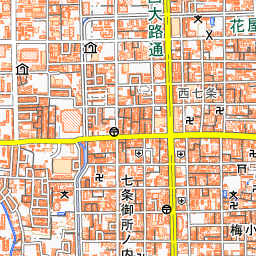
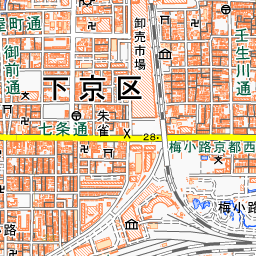
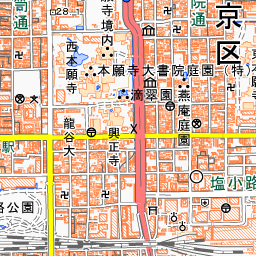
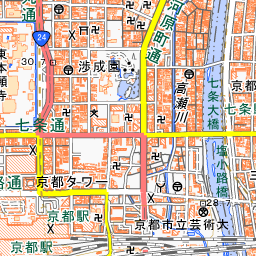
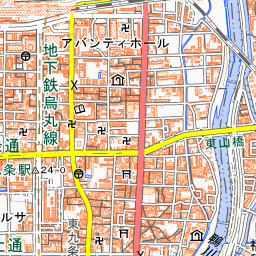
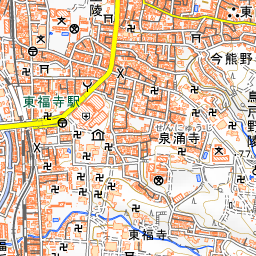
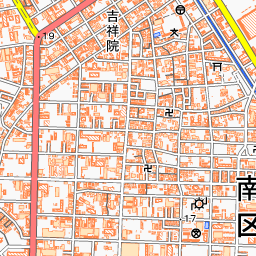
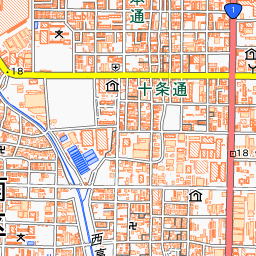
Kanchi-in Temple is located on the east side of Kushige-koji, the approach running from the North Great Gate (Kitadaimon) to the North Main Gate (Kitasomon) of To-ji Temple. Visiting it along with the precinct of To-ji Temple—where the five-story pagoda, the Kon-do (Main Hall), and the Kodo (Lecture Hall) stand—as well as the To-ji Temple Treasure House, which opens in spring and autumn, allows you to appreciate To-ji Temple as an Esoteric Buddhist temple from the perspectives of both prayer and scholarship.
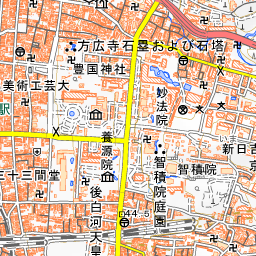
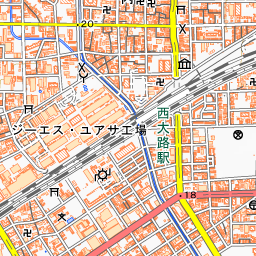
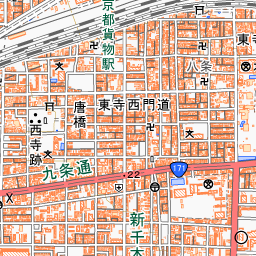
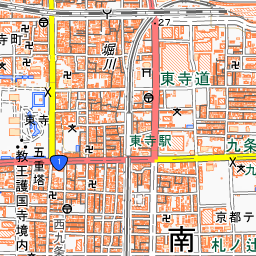
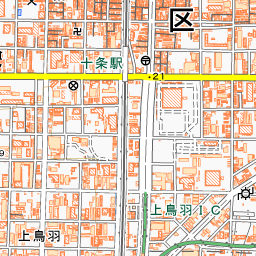
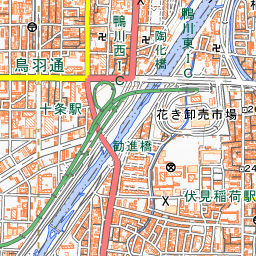
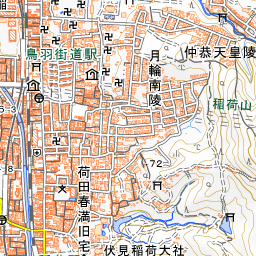
Spot location © OpenStreetMap contributors (ODbL)
Open in Google MapsUse asobot while you walk
- See where you are on the map and find spots nearby
- Listen to the guide's audio in course order, one after another (with subtitles)
- Walk to the next spot while following the map
Open on your phone
Scan to open this spot in asobot on your phone.