 ✨ AI Generated
Gohyaku Rakan-ji Temple
Japanese: 五百羅漢寺
Meguro City, Tokyo
This information was written by AI and may contain mistakes. Please check official sources for opening hours, fees, and other details before you go.
Found a mistake? Let us know with “✏️ Something's wrong” on this spot's screen in asobot →
🎧 Audio guide(1:06)
In short
Gohyaku Rakan-ji Temple is a Buddhist temple located in Shimo-Meguro, Meguro Ward, and has long been affectionately known as "Meguro no Rakan-san." Today, 305 statues, mostly carved by the Zen master Shoun Genkei, still remain and are designated as Tangible Cultural Properties of Tokyo. The temple was founded in Honjo in 1695 (the 8th year of the Genroku era) and moved to its present location in 1908 (the 41st year of the Meiji era).
- Main Hall (Hondo): The principal image, Shakyamuni Buddha, and his disciple arhats gather together, recreating the scene of the Buddha delivering a sermon.
- Rakan-do Hall: Features 146 arhat statues that could not be housed in the main hall. The statues measure between 78.1 and 90 centimeters in height.
- Path of Monuments (Hi no Komichi): Enshrines the "Okoi Kannon," dedicated to a Buddhist nun, and is lined with monuments such as a haiku monument of Takahama Kyoshi.
History and Highlights
Gohyaku Rakan-ji Temple is an independent temple long affectionately known as "Meguro no Rakan-san." The official name of the temple is Ten'onzan Rakan-ji, and Gohyaku Rakan-ji is its popular name. The principal image is Shakyamuni Buddha.
An arhat (rakan) is a disciple of the Buddha who has attained enlightenment and freed themselves from worldly passions through ascetic practice. The 500 disciples who gathered upon the Buddha's death are said to be the model for the "Five Hundred Arhats."
The statues were carved by the Zen master Shoun Genkei, a monk born in Kyoto. Aspiring to create statues of the Five Hundred Arhats, Shoun traveled down to Edo in 1687 (the 4th year of the Jokyo era). Collecting alms and donations by walking through the streets of Edo, he completed 536 statues—including the principal image—over more than a decade. In 1695 (the 8th year of the Genroku era), the statues were enshrined in a temple founded in Honjo (present-day Ojima, Koto Ward), where they became popular among the people of Edo as the "Five Hundred Arhats of Honjo." Katsushika Hokusai depicted the "Sazaedo" hall of the temple at that time in his series Thirty-six Views of Mount Fuji.
The temple suffered heavy damage from events such as the great earthquake of 1855 (the 2nd year of the Ansei era) and was relocated to its current site in 1908 (the 41st year of the Meiji era). The present temple buildings were completed in 1981 (the 56th year of the Showa era). Today, 305 statues remain, designated as Tangible Cultural Properties of Tokyo under the name "Wooden Statues of the Shakyamuni Triad and the Five Hundred Arhats."
Viewing and Experience Highlights
- Main Hall (Hondo): Recreates the scene of the Buddha delivering a sermon, where the principal image, Shakyamuni Buddha, and his disciple arhats are gathered together. The height of the principal image is 356 centimeters.
- Rakan-do Hall: Houses 146 arhat statues that could not be placed in the main hall. The Five Hundred Arhat statues range in height from 78.1 to 90 centimeters, and all are made using the joined-block wood technique (yosegi-zukuri) with urushi lacquer and gold leaf. The majority feature carved eyes. Walk along while comparing the unique facial expressions of each statue.
- Path of Monuments (Hi no Komichi): The "Okoi Kannon" of a nun associated with Rakan-ji is enshrined here. Okoi was Ando Myosho-ni, a former geisha from Shinbashi, who entered the Buddhist order at this temple in 1938 (the 13th year of the Showa era) and protected it through the difficult times around World War II. Monuments such as the Sakura-tai Atomic Bomb Victims Memorial and a haiku monument by Takahama Kyoshi also stand here.
Walking Tips
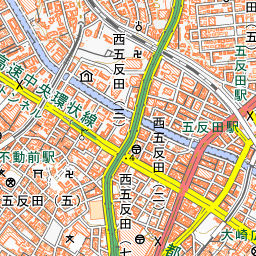
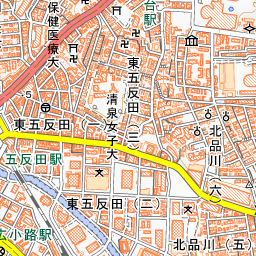
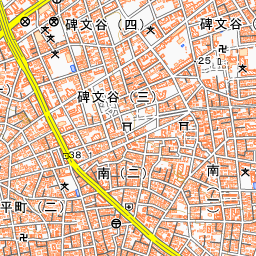
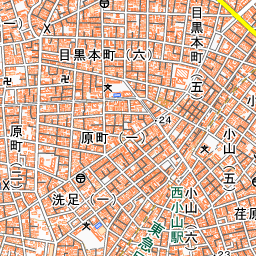
It is a 3-minute walk from the Fudoson Sando bus stop on the Tokyu Bus line. The temple grounds have stepped levels, and some areas are only accessible by stairs. Photography is generally prohibited on the temple grounds, and photographing the Buddhist statues in particular is strictly not allowed. When the main hall is in use for memorial services, viewing must be done from the outside through the glass windows. Meguro Fudo Temple is located approximately 140 meters in a straight line to the west-southwest, making it easy to visit consecutively. Meguro Parasitological Museum is located approximately 390 meters to the northwest.
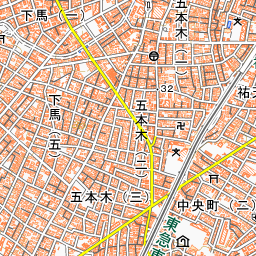
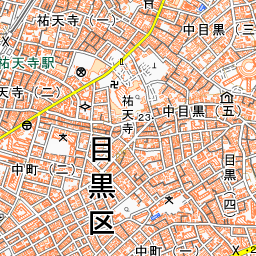
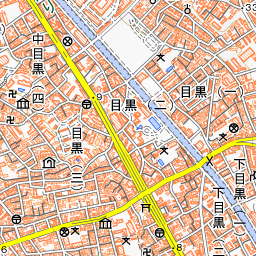
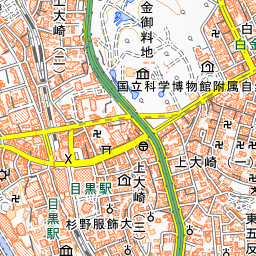
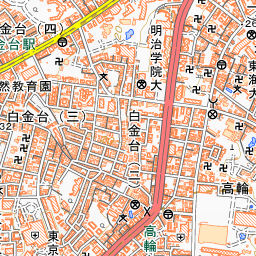
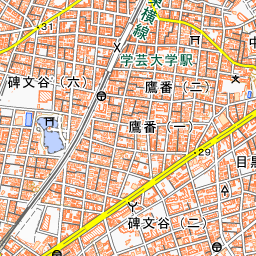
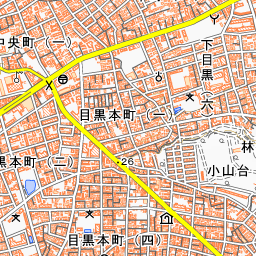
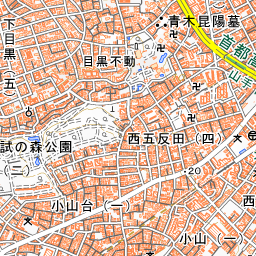
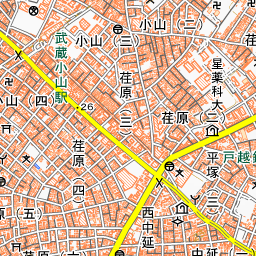
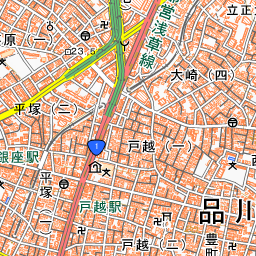
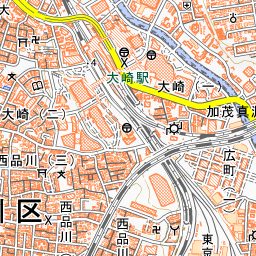
Spot location © OpenStreetMap contributors (ODbL)
Open in Google MapsGuides that include this spot (1)
Use asobot while you walk
- See where you are on the map and find spots nearby
- Listen to the guide's audio in course order, one after another (with subtitles)
- Walk to the next spot while following the map
Open on your phone
Scan to open this spot in asobot on your phone.