 ✨ AI Generated
Takaosan Yakuo-in Temple
Japanese: 高尾山薬王院
Hachioji, Tokyo
This information was written by AI and may contain mistakes. Please check official sources for opening hours, fees, and other details before you go.
Found a mistake? Let us know with “✏️ Something's wrong” on this spot's screen in asobot →
🎧 Audio guide(1:04)
In short
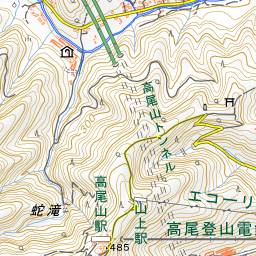
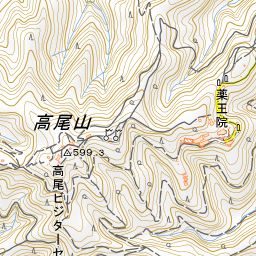
Located halfway up Mt. Takao, this is a head temple of the Shingon Chisan sect. Its official name is Takaosan Yakuo-in Yuki-ji Temple, and it is said to have been founded in 744 by Gyoki. The temple is known for its devotion to its principal image, Izuna Daigongen, and his tengu attendants. It is about a 20-minute walk along Trail 1 from the cable car's Takaosan Station.
- Izuna Daigongen and Tengu: The principal image is Izuna Daigongen, said to be an incarnation of Fudo Myo-o, and statues of tengu stand throughout the grounds.
- Edo-Period Gongen-do: The Izuna Gongen-do Hall, dedicated to Izuna Daigongen, was built in the middle of the Edo period.
- Stone Devices for Blessings: There are stone features such as "Negai Kanau Waku-guri" (passing through a stone ring) and "Rokkon Shojo Ishiguruma" (turning a stone wheel).
History and Highlights
The official name of Takaosan Yakuo-in Temple is Takaosan Yakuo-in Yuki-ji Temple. According to temple tradition, it was founded in 744 (Tenpyo 16) by Gyoki on the orders of Emperor Shomu as a temple to pray for the protection of eastern Japan. It originally enshrined Yakushi Nyorai as its principal image, which is the origin of the name Yakuo-in. Today, it is a head temple of the Shingon Chisan sect, known alongside Naritasan Shinsho-ji Temple and Kawasaki Daishi Heiken-ji Temple as one of its three grand head temples.
Around 1375, during the Nanboku-cho period, a monk named Shungen entered the mountain from Mt. Daigo in Kyoto. It is said that after the rigorous ascetic practice of burning 8,000 goma prayer sticks, he enshrined the current principal image, Izuna Daigongen, and restored the temple. Izuna Daigongen is considered an incarnation of Fudo Myo-o. During the Sengoku period, the deity was revered as a guardian deity by samurai commanders, and it is said that Takeda Shingen carried a small statue of the deity inside his garments as a protective charm.
Tengu, serving as attendants to Izuna Daigongen, are believed to possess the power to ward off misfortune and bring good fortune. Mt. Takao is also known as a mountain of tengu worship.
Highlights of Appreciation and Experience
- Statues of Tengu: Statues of tengu stand in various locations throughout the grounds. Tengu are believed to protect the entire mountain as guardians of the principal image.
- Izuna Gongen-do Hall: A hall dedicated to the principal image, Izuna Daigongen. It was constructed between 1729 and the following year, and the haiden (worship hall) and heiden (offering hall) were rebuilt in 1753. Takaosan Yakuo-in Temple is also known as a temple where multiple torii gates stand and where both Kami and Buddha are worshipped together.
- Negai Kanau Waku-guri and Rokkon Shojo Ishiguruma: In Negai Kanau Waku-guri, passing through a large stone ring and then sounding the large shakujo staff in the back is said to grant wishes. Turning the stone wheel of the Rokkon Shojo Ishiguruma is believed to purify one's mind and body.
Walking Tips
It takes about 20 minutes to walk from the cable car's Takaosan Station via Trail 1. Along the way, the Joshinmon Gate marks the entrance to the sacred precinct of Takaosan Yakuo-in Temple, followed by an approach lined on both sides with red lanterns. Just to the left after passing through the gate is the Jinben-do Hall, which enshrines En no Gyoja, said to be the founder of Shugendo.
Further along, the path splits into the Otokozaka Slope, with stone stairs, and the gentle Onnazaka Slope. Whichever you take, they rejoin ahead. The stone stairs of the Otokozaka Slope consist of 108 steps, matching the number of earthly desires (kleshas), and it is said that climbing them step by step clears away each desire one by one. On the open area above the junction stands a stupa (Busshari-to) built in 1956 as a symbol of goodwill between Japan and Thailand.
In the Dai-Hondo (Main Hall), Ogoma-shugyo (fire ritual) is conducted every day, and the general public can also take part. Many of the buildings on the grounds are designated as Tangible Cultural Properties of Tokyo. Reaching the summit takes about 20 minutes on foot along Trail 1. For details on the mountain's nature and hiking trails, please also refer to the guide for Mt. Takao.
Guides that include this spot (1)
Use asobot while you walk
- See where you are on the map and find spots nearby
- Listen to the guide's audio in course order, one after another (with subtitles)
- Walk to the next spot while following the map
Open on your phone
Scan to open this spot in asobot on your phone.