 ✨ AI Generated
Irie Taikichi Memorial Museum of Photography Nara City
Japanese: 入江泰吉記念奈良市写真美術館
Nara City, Nara
This information was written by AI and may contain mistakes. Please check official sources for opening hours, fees, and other details before you go.
Found a mistake? Let us know with “✏️ Something's wrong” on this spot's screen in asobot →
🎧 Audio guide(1:10)
In short
The Irie Taikichi Memorial Museum of Photography Nara City houses approximately 80,000 works by photographer Irie Taikichi, who spent about half a century photographing the landscapes and Buddhist statues of Nara. It opened in 1992 as western Japan's first public photography museum at the time. The museum is closed for renovation work from September 28, 2026, to March 15, 2027.
- Photographs of Yamatoji: Centered around exhibitions of Irie's works, the museum also showcases works by other photographers through special exhibitions.
- Building by Kurokawa Kisho: Designed entirely underground except for the entrance lobby to preserve Shin-Yakushi-ji Temple and the surrounding landscape.
- Tiled Roof and Glass Lobby: A tiled roof sits atop the entrance lobby, which is enclosed on all four sides by glass.
History and Highlights
Irie Taikichi (1905–1992) was a photographer who spent about half a century capturing Nara's Buddhist statues, landscapes, traditional events, and flowers mentioned in the Man'yoshu. It is said that his works established the image of "beautiful Nara Yamatoji." He is also said to have learned from figures such as Shiga Naoya and Aizu Yaichi through Kamitsukasa Kaiun, the head priest of Todai-ji Temple's Kannon-in sub-temple.
This museum opened after Irie donated his entire collection of works to Nara City during his lifetime, and it was designed by architect Kurokawa Kisho. Opening in 1992, it was the first public photography museum in western Japan at the time. Housing approximately 80,000 works, it primarily exhibits Irie's photography while also presenting the works of other photographers in special exhibitions. The site was once part of the grounds of Shin-Yakushi-ji Temple. In order to protect the small Shin-Yakushi-ji Temple and the surrounding rural landscape, the building was planned entirely underground with the exception of the entrance lobby. What is visible above ground are the entrance lobby surrounded on four sides by transparent glass and a tiled roof that traces an almost straight yet gently curved line. A pond lined with white sand surrounds the building, and a 4-meter eaves overhang creates a transition space connecting to the surrounding nature.
Irie's photographs are not only works of art, but also valuable historical records that convey what Nara looked like during the Showa era. Irie frequently photographed around the Takabatake area as well. For instance, there is a photograph looking up at Mt. Takamado, which was featured in numerous poems in the Man'yoshu. It is also the location where author Hori Tatsuo wrote that he looked out at the fresh greenery of Mt. Takamado from the gate of Shin-Yakushi-ji Temple.
Tips for Viewing and Experiencing
- Deciphering "Why It Was Taken": It is noted that Irie's works, which might seem like ordinary Nara scenery, reveal greater depth the more one learns about Nara. You can enjoy the exhibition not only for the beauty of the photographs, but also by contemplating why he chose to capture each scene.
- Entrance Lobby and Underground Light: The interior of the entrance lobby is inspired by the image of flying apsaras (hiten) and uses metal panels. A sunken garden was created to bring natural light into the underground lounge.
- Searching for Shooting Locations in Takabatake: Takabatake's landscape today still retains traces of Irie's photographs. Using the snapshots he took as clues, you can search for the actual shooting locations.
Walking Tips
The museum will be closed for renovation from September 28, 2026, to March 15, 2027. By bus, get off at the "Wariishicho" stop on the Nara City Loop Bus and walk east for 10 minutes. Shin-Yakushi-ji Temple is adjacent, about 50 meters to the northeast, and the Former Shiga Naoya Residence is about 300 meters to the northwest. There is also a route starting from the Second Torii Gate of Kasuga-taisha Shrine, passing through Shimo-no-Negi-michi to the Former Shiga Naoya Residence, and then walking through the town of Takabatake toward the museum. Byakugo-ji Temple is approximately 740 meters to the southeast.

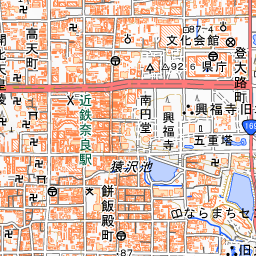
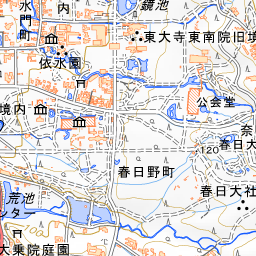
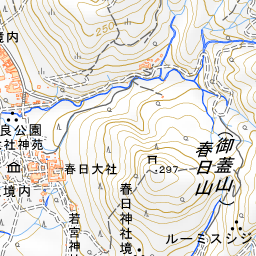
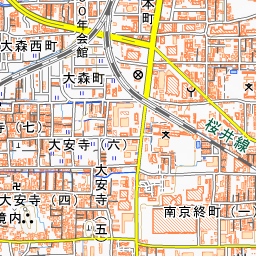
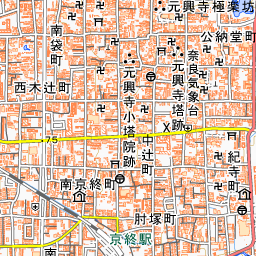
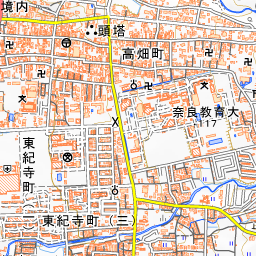
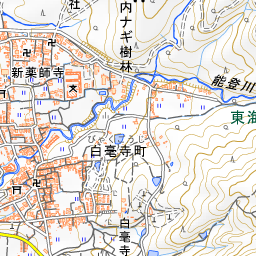
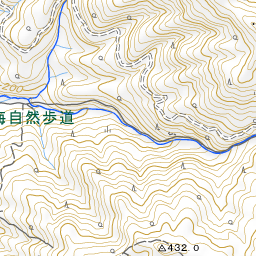
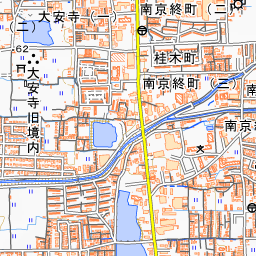
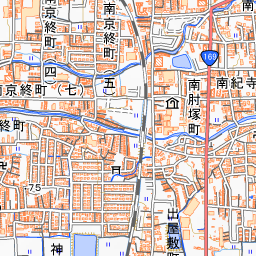
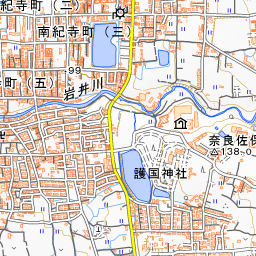
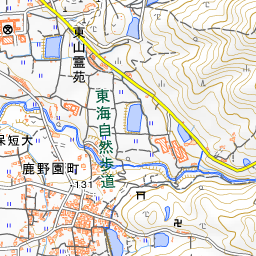
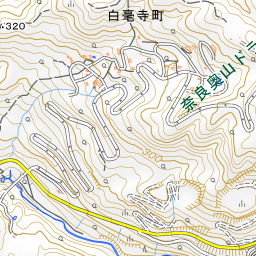
Spot location © OpenStreetMap contributors (ODbL)
Open in Google MapsUse asobot while you walk
- See where you are on the map and find spots nearby
- Listen to the guide's audio in course order, one after another (with subtitles)
- Walk to the next spot while following the map
Open on your phone
Scan to open this spot in asobot on your phone.