 ✨ AI Generated
Asakusa Engei Hall
Japanese: 浅草演芸ホール
Taito City, Tokyo
This information was written by AI and may contain mistakes. Please check official sources for opening hours, fees, and other details before you go.
Found a mistake? Let us know with “✏️ Something's wrong” on this spot's screen in asobot →
🎧 Audio guide(1:08)
In short
Asakusa Engei Hall is a yose (vaudeville theater) located in Asakusa's Koen Rokku area. Along with Suzumoto Engeijo, Shinjuku Suehirotei, and Ikebukuro Engeijo, it is one of Tokyo's "rakugo joseki" (permanent rakugo theaters) and holds performances 365 days a year without taking days off. Since its opening in 1964, the Rakugo Kyokai and the Rakugo Geijutsu Kyokai have alternated performances every 10 days.
- Rakugo and Iromono: In addition to rakugo, visitors can enjoy manzai (comic duos), mandan (comic monologues), kamikiri (paper-cutting art), acrobatics, and more.
- Enter at Your Preferred Time: You can usually enter with a same-day ticket. In principle, there is no audience turnover between the daytime and evening sessions.
- Summer Sumiyoshi Odori: During the ogiri (variety finale) of the daytime sessions every year from August 11 to 20, performers dance dressed in matching yukata.
History and Highlights
Asakusa Engei Hall is a yose located in Asakusa's Koen Rokku. It is one of Tokyo's "rakugo joseki," alongside Suzumoto Engeijo, Shinjuku Suehirotei, and Ikebukuro Engeijo. A rakugo joseki is a theater that hosts rakugo performances 365 days a year without interruption, and it is also known as a yose.
It opened in 1964. It was created on the 4th and 5th floors built by extending the "Asakusa France-za." At that time, there was no yose in Asakusa, and a rakugo joseki had been long awaited. It is said that Katsura Edataro II, who was an executive of the Nihon Geijutsu Kyokai (an association of rakugo performers), persuaded the president of Toyo Kogyo to establish a yose.
Around the time of its opening, Katsura Bunraku, Kokontei Shinsho, and Sanyutei Ensho were active and performing on the koza (stage). The first Hayashiya Sanpei, known as the "King of Explosive Laughter," also took the stage in between his busy television appearances. In 1971, with the closure of the "Toyo Gekijo," a theater for light comedy, the hall moved to the 1st floor. The hall describes itself as a "temple of comedy" that produced stars like Hagimoto Kinichi and Beat Takeshi. On the 4th floor of the same building is the Asakusa Toyokan, a yose mainly featuring iromono (variety acts).
Viewing and Experience Tips
- Front Signboard and Program: The signboard in front features photos introducing the headliners (the final performers, or "tori") for that day's daytime and evening sessions. A program listing all the performers can also be seen.
- Iromono: In addition to rakugo, you can enjoy variety acts known as "iromono," including comic monologues, daikagura, and paper-cutting. With rakugo, even the same story changes depending on the storyteller, and even with the same storyteller, it varies from day to day.
- Sumiyoshi Odori: Performed during the daytime ogiri every year from August 11 to 20. Entertainers in matching yukata tied with tasuki cords showcase this traditional Edomae dance. In 1978, Kokontei Shincho revived it as a commercial stage performance.
Strolling Tips
You can usually enter with a same-day ticket. Purchase a ticket at the kido (entrance of the theater) and take any available seat you like. From the second-floor seats, you can enjoy the performance from above. You may enter and leave at any time you wish, but re-entry is not permitted. It is recommended to enter or leave during the brief intervals between performances. Eating and drinking are allowed during performances, but photography and audio recording are prohibited. The hall is located in the center of the Rokku Broadway shopping street, right by Asakusa Station on the Tsukuba Express. Hoppy-dori Street is about 110 meters to the east, and Asakusa Hanayashiki is about 260 meters to the northeast.
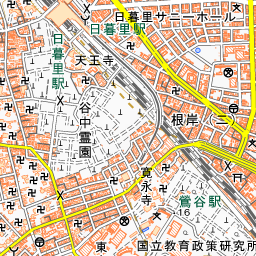
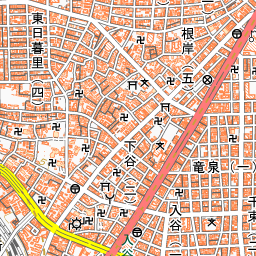
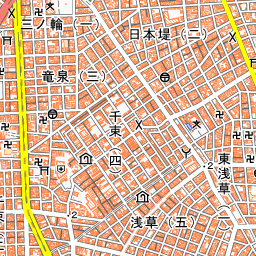
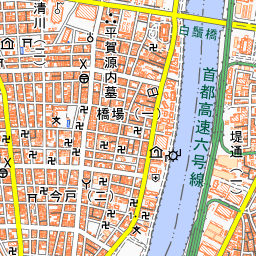


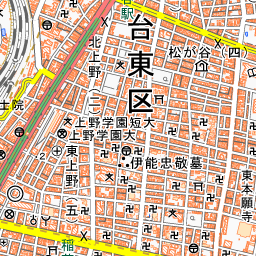

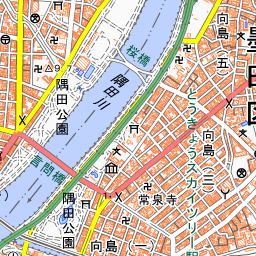
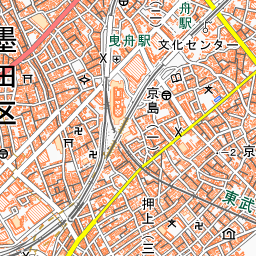


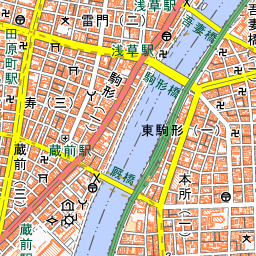
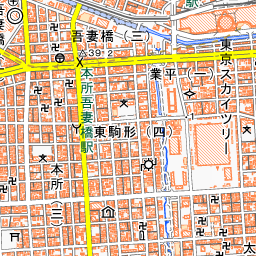
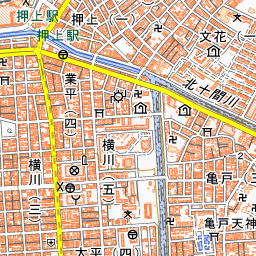
Spot location © OpenStreetMap contributors (ODbL)
Open in Google MapsUse asobot while you walk
- See where you are on the map and find spots nearby
- Listen to the guide's audio in course order, one after another (with subtitles)
- Walk to the next spot while following the map
Open on your phone
Scan to open this spot in asobot on your phone.