
Printing Museum, Tokyo
Japanese: 印刷博物館
Bunkyo City, Tokyo
This information was written by AI and may contain mistakes. Please check official sources for opening hours, fees, and other details before you go.
Found a mistake? Let us know with “✏️ Something's wrong” on this spot's screen in asobot →
🎧 Audio guide(1:02)
In short
Printing Museum, Tokyo is a museum dedicated to printing, located in the TOPPAN Koishikawa Head Office Building in Suido, Bunkyo Ward. Conceived as a commemorative project for the 100th anniversary of Toppan Printing, it opened in 2000. It houses a collection of approximately 70,000 items, including printed materials, movable type, tools, and machinery from various times and places around the world.
- Permanent Exhibition: Traces the history and technology of printing through "History of Printing in Japan," "History of Printing in the World," and "Printing × Technology."
- Precious Collections: Houses the "Hyakumanto Darani," considered the world's oldest printed material with a clearly identified date of printing, and the Suruga-ban copper movable type, an Important Cultural Property.
- Printing Workshop: A workshop dedicated to preserving and passing on letterpress printing, where visitors can actually touch movable type and experience printing.
History and Highlights
Printing Museum, Tokyo is a museum themed on printing, located in the TOPPAN Koishikawa Head Office Building in Suido, Bunkyo Ward. Conceived as a commemorative project for the 100th anniversary of Toppan Printing, it celebrated its grand opening in October 2000. Awazu Kiyoshi served as the first director.
Its collection amounts to approximately 70,000 items, including printed materials, movable type, tools, and machinery from ancient to modern times and from the East and West. Among them, the "Hyakumanto Darani" is particularly well known. In the eighth year of the Tempyo-hoji era (764) during the Nara period, Empress Koken (later Empress Shotoku) had one million Buddhist sutras printed in prayer for the peace of the nation. The sutras were housed in one million small, three-story wooden pagodas and distributed among ten major temples, including Horyu-ji and Todai-ji. It is considered the world's oldest extant printed material with a clearly established printing date.
The Suruga-ban copper movable type is also an important collection of this museum. It is said to have been made on the orders of Tokugawa Ieyasu after he moved to Sunpu Castle, modeled on copper movable type transmitted from Korea, and was designated an Important Cultural Property in 1962 (Showa 37). In terms of Western books, it possesses an original leaf of the "42-Line Bible," a Bible published around 1455 in Mainz, Germany, by Johannes Gutenberg.
Points for Appreciation and Experience
- Prologue Grand Wall: In the corridor-like prologue leading to the exhibition rooms, there is a large wall 7 meters high and 40 meters long. Visitors can trace the footprints of visual communication carved by humankind since ancient times through replicas of historical materials.
- Permanent Exhibition: "History of Printing in Japan" introduces Japanese printing, which began in the Nara period, divided into four eras: ancient/medieval, early modern, modern, and contemporary. "History of Printing in the World" traces the journey from the earliest printing to current information technology through a chronological table. "Printing × Technology" introduces differences between relief, intaglio, planographic, and stencil printing plates. However, "Printing × Technology" is not exhibited during special exhibitions.
- Printing Workshop: A studio working to preserve and pass down letterpress printing. It holds more than 600 typefaces of movable type, and visitors can actually touch the type and experience printing. The machines introduced include the world's first all-iron hand press, conceived around 1800 by Charles Stanhope.
Tips for Exploring
The nearest station is Edogawabashi Station on the Tokyo Metro Yurakucho Line, about an 8-minute walk. From Korakuen Station on the Marunouchi and Namboku lines, it is about a 10-minute walk. Inside the museum, there are also a gallery that holds printing special exhibitions and events, a library with a collection of about 70,000 materials, and "KOISHIKAWA XROSS," where cultural properties can be appreciated through digital technology. Koishikawa Korakuen Gardens is located about 800 meters to the southeast.
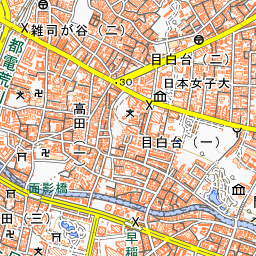
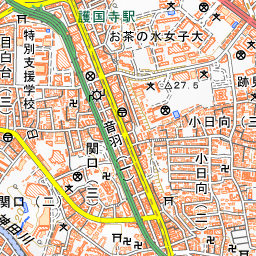
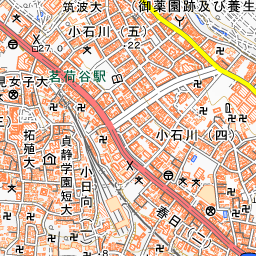

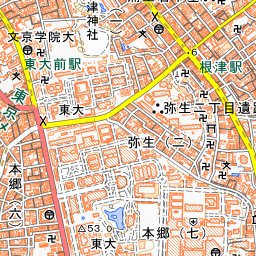
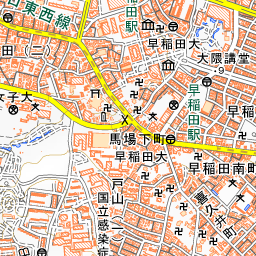
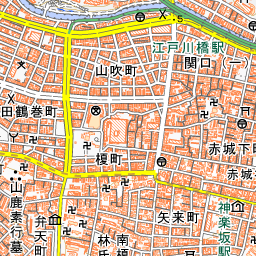
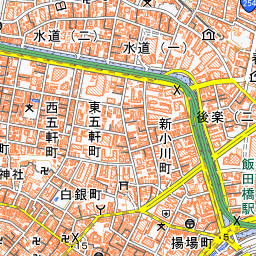
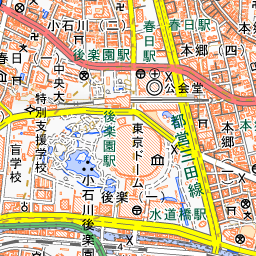
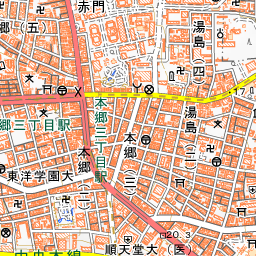
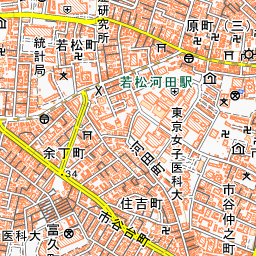
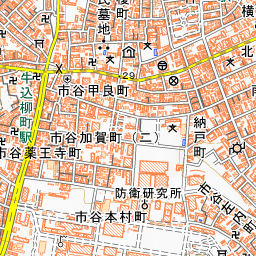
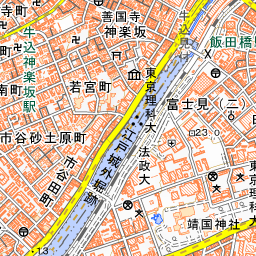

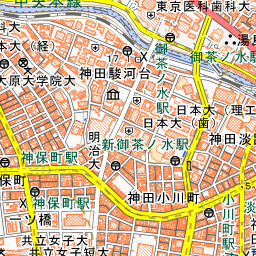
Spot location © OpenStreetMap contributors (ODbL)
Open in Google MapsUse asobot while you walk
- See where you are on the map and find spots nearby
- Listen to the guide's audio in course order, one after another (with subtitles)
- Walk to the next spot while following the map
Open on your phone
Scan to open this spot in asobot on your phone.