 ✨ AI Generated
Suzumushi-dera Temple
Japanese: 鈴虫寺
Nishikyo Ward, Kyoto
This information was written by AI and may contain mistakes. Please check official sources for opening hours, fees, and other details before you go.
Found a mistake? Let us know with “✏️ Something's wrong” on this spot's screen in asobot →
🎧 Audio guide(1:06)
In short
A Rinzai Zen temple located in Matsumuro, Nishikyo Ward, whose official name is Myotokuzan Kegon-ji Temple. It is affectionately known as Suzumushi-dera Temple because the chirping of suzumushi (bell crickets) can be heard throughout the year. It was moved to its current location in Matsumuro in 1723 (Kyoho 8), and its principal image is Dainichi Nyorai.
- Suzumushi Seppo (Bell Cricket Dharma Talk): In the guest hall where bell crickets chirp, visitors listen to a Dharma talk of about 30 minutes while enjoying tea and a sweet. Making bell crickets chirp all year round was achieved by the 8th head priest, Monk Daigan, over 28 years
- Kofuku Jizo Wearing Waraji: Kofuku Jizo Bosatsu, standing beside the temple gate, wears waraji (straw sandals), which is said to be because the deity walks all the way to those who have prayed, to grant their wishes. Visitors are encouraged to make only a single wish
- Bamboo Grove and Garden: The grounds, with their bamboo grove and maple trees, along with the strolling garden, show varied expressions through the four seasons
History and Highlights
Suzumushi-dera Temple is a Rinzai Zen temple located in Matsumuro, Nishikyo Ward. Its official name is Myotokuzan Kegon-ji Temple, but it is affectionately known as Suzumushi-dera Temple because the chirping of suzumushi (bell crickets) can be heard throughout the year.
The temple was founded by the scholar-monk Priest Hotan, who was known as "Hotan of Kegon." It is said that he revived the Kegon sect—which was declining due to its difficulty—by explaining it in an easy-to-understand way, and that he was the first person in Japan to create a world map centered on Buddhism. Kegon-ji Temple, founded by the priest, was moved to its current location in Matsumuro in 1723 (Kyoho 8), and has kept the flame of Buddhist teachings alive in this location for about 300 years since. It later became a Rinzai sect temple, and its principal image is Dainichi Nyorai.
It is said that the 8th head priest, Monk Daigan, attained enlightenment while practicing zazen (seated meditation) at night, upon seeing short-lived bell crickets chirping with all their might. In the period just after Japan's defeat in the war, when people's spirits were troubled, he began research on making bell crickets chirp all year round to soothe their hearts with the sound of the crickets, achieving this after 28 years. Even today, thousands of bell crickets are kept in glass cases in the guest hall.
Points for Appreciation and Experience
- Suzumushi Seppo (Bell Cricket Dharma Talk): After checking in at the reception, visitors enter the guest hall to listen to an approximately 30-minute Dharma talk in a room where bell crickets chirp, while enjoying tea and a sweet. The tea and sweet are based on "sarei" (tea etiquette), one of the teachings of Zen Buddhism. Several monks, including the head priest and vice head priest, speak about the temple, how to worship, and daily mental attitudes.
- Kofuku Jizo Wearing Waraji: Standing beside the temple gate at the top of the stone steps is Kofuku Jizo Bosatsu. Holding a shakujo (Buddhist staff) in the right hand and a sacred jewel in the left, this deity wears waraji (straw sandals), unlike ordinary Buddhist statues that are barefoot. It is believed this is because the deity walks to the worshipers' homes to grant their wishes, and visitors are encouraged to make only a single wish. How to make your prayer is explained during the Dharma talk.
- Bamboo Grove and Garden: After the Dharma talk, visitors stroll through the garden and finally pay respects to the Jizo statue. The grounds, with their bamboo grove and maple trees, along with the strolling garden, show varied expressions through the four seasons.
Tips for Strolling
Visitors ascend an approach of 80 stone steps to reach the temple gate. From reception through the Dharma talk, the garden, and visiting the Jizo statue takes about 40 minutes. Depending on the season and time of day, it can be crowded, and visitors may wait about an hour. It is about a 15-minute walk from Hankyu Matsunoo-taisha Station, and about 3 minutes from the Kyoto Bus "Koke-dera Suzumushi-dera" stop. Saiho-ji Temple is about 200 meters to the southwest, Tsukiyomi-jinja Shrine is about 340 meters to the north, and Matsunoo-taisha Shrine is about 730 meters away.
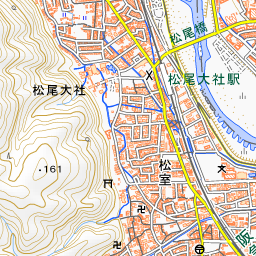


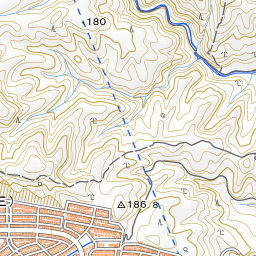
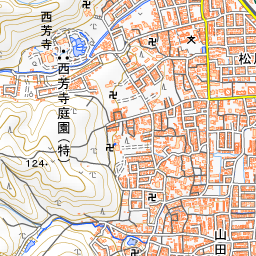
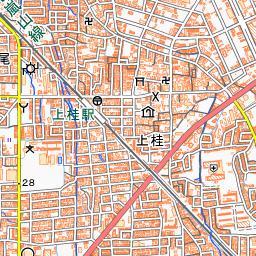
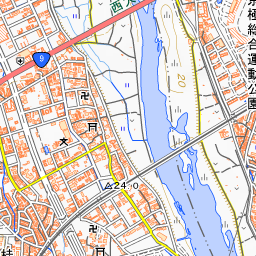
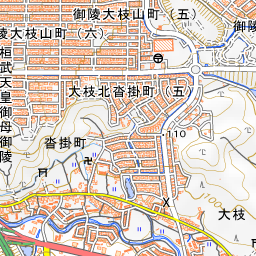
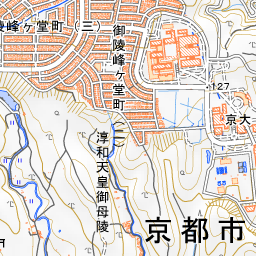
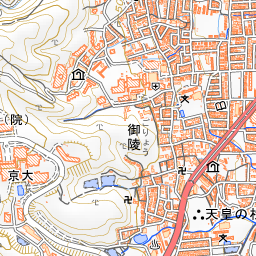
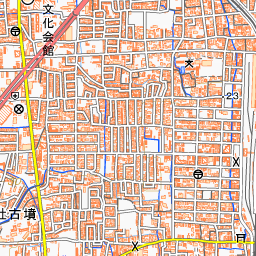
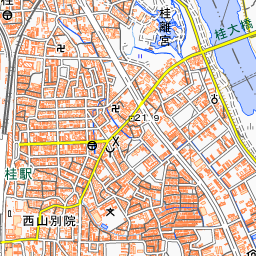
Spot location © OpenStreetMap contributors (ODbL)
Open in Google MapsGuides that include this spot (1)
Use asobot while you walk
- See where you are on the map and find spots nearby
- Listen to the guide's audio in course order, one after another (with subtitles)
- Walk to the next spot while following the map
Open on your phone
Scan to open this spot in asobot on your phone.