 ✨ AI Generated
Yokoamicho Park
Japanese: 横網町公園
Sumida City, Tokyo
This information was written by AI and may contain mistakes. Please check official sources for opening hours, fees, and other details before you go.
Found a mistake? Let us know with “✏️ Something's wrong” on this spot's screen in asobot →
🎧 Audio guide(1:06)
In short
Yokoamicho Park is a metropolitan park dedicated to mourning the victims of the Great Kanto Earthquake and the Great Tokyo Air Raid, and passing on their memory. Built on the former site of the Army Clothing Depot, this was the place where a fire whirl struck evacuees during the Great Kanto Earthquake, claiming as many as 38,000 lives at this single location.
- Tokyo Metropolitan Memorial Hall: Designed by Ito Chuta and completed in 1930. The remains of approximately 163,000 victims from both the earthquake disaster and the war are enshrined here.
- Tokyo Metropolitan Reconstruction Memorial Hall: A memorial hall that conveys the horrors of the Great Kanto Earthquake to future generations and commemorates the great reconstruction project. The outdoor exhibition area beside the hall displays items such as parts of buildings melted by the fire.
- Memorial Monument and Japanese Garden: Features a monument commemorating the victims of the air raids on Tokyo and a statue mourning the children who lost their lives in the earthquake disaster. A Japanese garden lies on the north side of the memorial hall.
History and Highlights
Yokoamicho Park is a metropolitan park located in Yokoami, Sumida Ward, recognized as a park of memorial and legacy. In 1922, the City of Tokyo purchased the former site of the Army Clothing Depot following its relocation and began creating a park. Amidst this construction, on September 1, 1923, the Great Kanto Earthquake struck.
Surrounding residents fled to the open ground of the former depot site, carrying their household belongings with them. Before long, flames fanned by strong winds closed in from all four directions and spread to the belongings they had brought. The intense fire unleashed a fire whirl, resulting in the loss of as many as 38,000 lives on this site alone.
The park opened on September 1, 1930, after the completion of the memorial hall (then called the Earthquake Memorial Hall), the bell tower, and the Japanese garden. The following year, the Reconstruction Memorial Hall was also completed. In 1951, unidentified remains of people who perished in the air raids on Tokyo were also enshrined in the hall, and its name was changed to the Tokyo Metropolitan Memorial Hall. Every year, grand memorial services are held on September 1, the anniversary of the Great Kanto Earthquake, and on March 10, the anniversary of the Great Tokyo Air Raid.
Highlights for Viewing and Experiencing
- Tokyo Metropolitan Memorial Hall: Designed by Ito Chuta and completed in 1930. While the exterior adopts a Japanese shrine and temple style, the three-storied pagoda housing the ossuary reflects Chinese and Indian architectural influences. It has an eclectic design that incorporates elements from various religions. The remains of approximately 163,000 victims from the earthquake and war combined are enshrined here.
- Tokyo Metropolitan Reconstruction Memorial Hall: Built in 1931 as an annexed facility to the memorial hall to pass down the catastrophe of the Great Kanto Earthquake to future generations and commemorate the grand reconstruction of Tokyo. Inside, damaged articles, large-scale reconstruction models, and materials related to the air raids on Tokyo are displayed. The outdoor exhibition area beside the hall features massive damaged items, including vehicle wreckage and sections of buildings melted by the earthquake fire.
- Memorial Monument and Japanese Garden: The monument dedicated to mourning the victims of the air raids on Tokyo and praying for peace is covered with flowers on its slope, symbolizing life. There is also a memorial statue mourning the approximately 5,000 elementary school children who died in the earthquake. The Japanese garden on the north side of the memorial hall was planned based on the lesson that gardens helped protect human lives during the earthquake.
Tips for Exploring
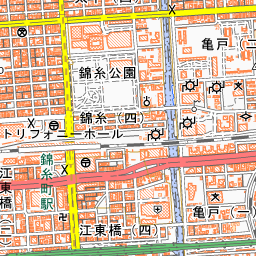
It is about a 2-minute walk from Exit A1 of Ryogoku Station on the Toei Oedo Line, and about a 10-minute walk from the West Exit of JR Ryogoku Station. Inside the memorial hall, large-scale paintings depicting scenes of the earthquake disaster are displayed. Statues of mythical beasts sit on the roof of the memorial hall and atop the front pillars of the Reconstruction Memorial Hall. Kyu-Yasuda Garden is located about 240 meters to the southwest, Edo-Tokyo Museum is about 300 meters to the south, and The Sumida Hokusai Museum is about 500 meters to the southeast.


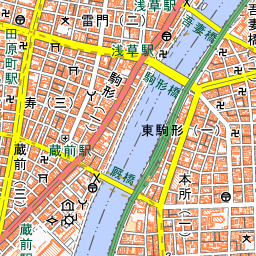
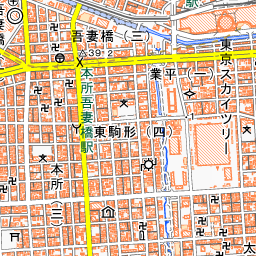
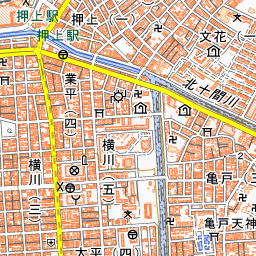
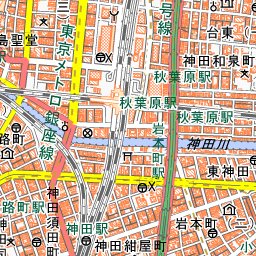


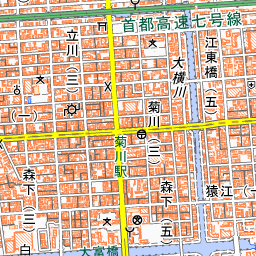
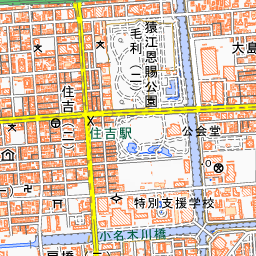
Spot location © OpenStreetMap contributors (ODbL)
Open in Google MapsUse asobot while you walk
- See where you are on the map and find spots nearby
- Listen to the guide's audio in course order, one after another (with subtitles)
- Walk to the next spot while following the map
Open on your phone
Scan to open this spot in asobot on your phone.