 ✨ AI Generated
Kume-dera Temple
Japanese: 久米寺
Kashihara, Nara
This information was written by AI and may contain mistakes. Please check official sources for opening hours, fees, and other details before you go.
Found a mistake? Let us know with “✏️ Something's wrong” on this spot's screen in asobot →
🎧 Audio guide(1:03)
In short
Kume-dera Temple is an ancient temple situated at the southeastern foot of Mt. Unebi. While it is said to have been founded by Prince Kume, the younger brother of Prince Shotoku, it is also known for the legend of Kume Sennin (the hermit of Kume), who was said to fly through the sky. A story also remains that Kukai discovered the Dainichi-kyo Sutra in the temple's East Pagoda. It is about a 5-minute walk from Kintetsu Kashiharajingu-mae Station.
- Tahoto Pagoda: Transferred from Ninna-ji Temple in Kyoto in 1659, this pagoda is a National Important Cultural Property.
- Yakushi Nyorai of the Main Hall: The principal image, a seated statue of Yakushi Nyorai, is enshrined in the Main Hall, which was rebuilt in 1663.
- Legend of Kume Sennin: A tale of an ascetic hermit who fell from the sky is passed down, and a seated statue of Kume Sennin is also enshrined in the Main Hall.
History and Highlights
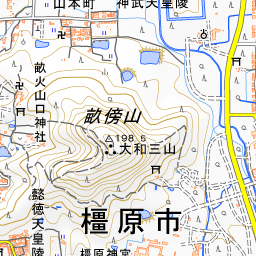
Kume-dera Temple is located at the southeastern foot of Mt. Unebi, at the northern edge of the Kume-cho settlement. According to temple records, it is said to have been founded by Prince Kume at the wish of Empress Suiko. Prince Kume was the younger brother of Prince Shotoku. There is also a story that he founded the temple after his eye ailment was cured through prayers to Yakushi Nyorai.
This temple is also known for the legend of Kume Sennin. An ascetic who gained the ability to fly through the sky through his training was captivated by the fair legs of a maiden washing clothes in a river and fell from the heavens. The hermit lived with the maiden, but through further training, he regained his magical powers. He then used his arts in service of the Emperor and built a temple on the fields bestowed upon him. Legend says that this temple is Kume-dera Temple.
A connection with Kukai is also told. Kukai is said to have had a dream telling him that "the Dainichi-kyo Sutra is in the East Pagoda of Kume-dera Temple," after which he found the sutra, traveled to Tang China, and studied Esoteric Buddhism. As the place where Kukai first propagated Shingon Esoteric Buddhism after returning to Japan, it is considered the birthplace of the Shingon sect.
Viewing and Experience Points
- Tahoto Pagoda: Transferred from Kyoto's Ninna-ji Temple in 1659, this pagoda is a National Important Cultural Property. In recent years, when this pagoda was moved again, the central foundation stone (shinso) of an older pagoda emerged from beneath the floor. It measures as large as 4.1 meters by 2.9 meters.
- Main Hall and Statue of Kume Sennin: The Main Hall was rebuilt in 1663. The principal image, a wooden seated statue of Yakushi Nyorai, is a large Buddhist statue classified as "joroku" size. As visitors view it through gaps in the curtain, it feels even larger. A seated statue of Kume Sennin is also enshrined in the Main Hall.
- Flowers on the Grounds: Visitors can enjoy seasonal flowers such as spiraea thunbergii (bridal wreath), cherry blossoms, azaleas, and hydrangeas. In summer, blue, pink, and white hydrangeas color the temple grounds, making it popular as a temple of flowers.
Walking Tips
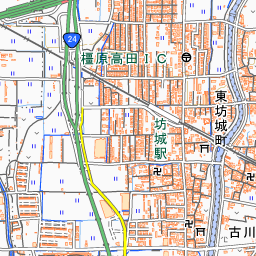
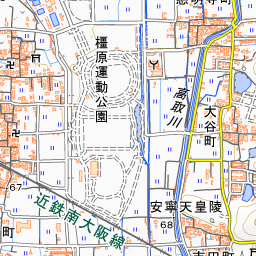
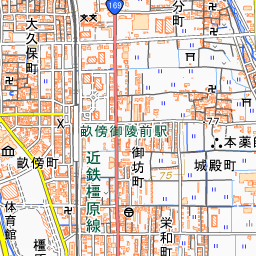
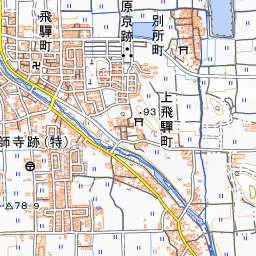
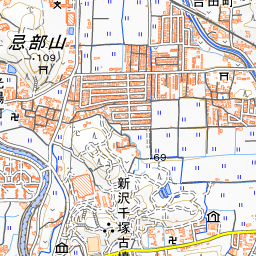
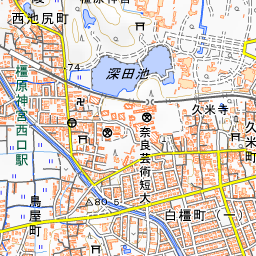
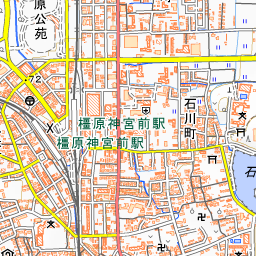
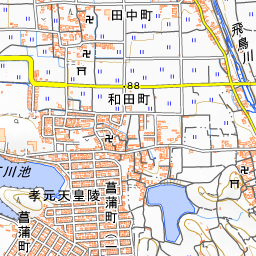
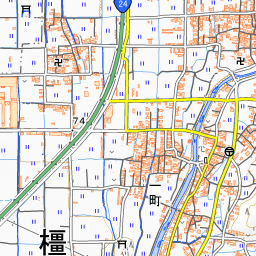
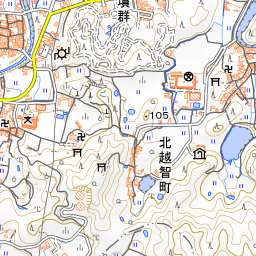
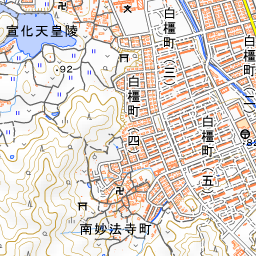
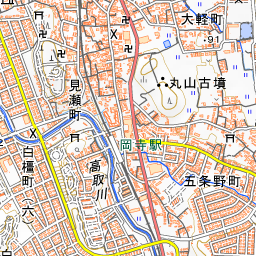
It is about a 5-minute walk from Kintetsu Kashiharajingu-mae Station. On the grounds, alongside the Main Hall and the Tahoto Pagoda, stand the Kannon-do, Jizo-do, and Miei-do halls. Near the Nio-mon Gate to the south, an earthen platform of a large pagoda and massive foundation stones remain, so be sure to look around the gate as well. Every year on May 3, the Nijugo Bosatsu Neri Kuyo (Procession of the Twenty-Five Bodhisattvas) is held. A "Raigo Bridge" measuring about 100 meters is set up from near the Nio-mon Gate to the Main Hall. Kashihara-jingu Shrine is located to the north, allowing for a combined walking tour.

Use asobot while you walk
- See where you are on the map and find spots nearby
- Listen to the guide's audio in course order, one after another (with subtitles)
- Walk to the next spot while following the map
Open on your phone
Scan to open this spot in asobot on your phone.