 ✨ AI Generated
Hirakushi Denchu Sculpture Museum
Japanese: 平櫛田中彫刻美術館
Kodaira, Tokyo
This information was written by AI and may contain mistakes. Please check official sources for opening hours, fees, and other details before you go.
Found a mistake? Let us know with “✏️ Something's wrong” on this spot's screen in asobot →
🎧 Audio guide(1:04)
In short
The Hirakushi Denchu Sculpture Museum is an art museum that includes the residence where sculptor Hirakushi Denchu lived, alongside an exhibition hall. Denchu moved to Kodaira in 1970 and spent about 10 years here until his death at the age of 107. Situated along the Tamagawa Aqueduct, the residence was reopened to the public in April 2026 following renovation work.
- Memorial Hall: The former residence designed by architect Oe Hiroshi, also known as Kyujuhachisoin.
- Camphor Tree in the Front Garden: Purchased by Denchu when he was around 100 years old as sculpting material.
- Exhibition Hall: Houses Denchu's sculptures and calligraphy, as well as art pieces he collected.
History and Highlights
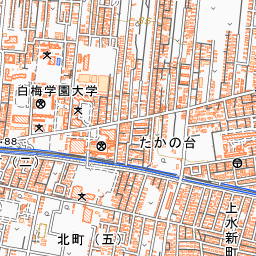
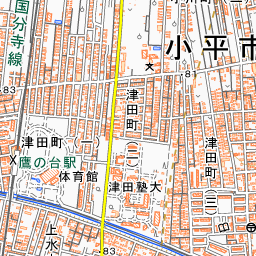
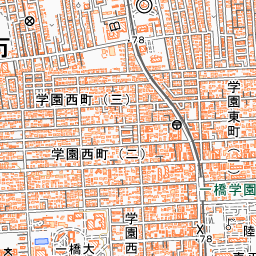
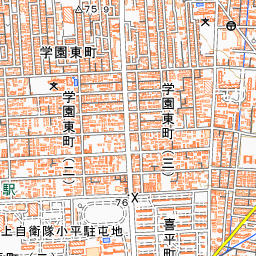
The Hirakushi Denchu Sculpture Museum is an art museum located along the Tamagawa Aqueduct in Gakuen-nishicho, Kodaira City. It consists of a memorial hall—the residence where sculptor Hirakushi Denchu lived—and an exhibition hall.
Denchu was born in 1872 in what is now Ibara City, Okayama Prefecture. He was active across three eras—Meiji, Taisho, and Showa—and was awarded the Order of Culture in 1962. His masterpiece, Kagami Jishi, was created over a period of about 20 years using Kabuki actor Onoe Kikugoro VI as a model, and is now held by The National Museum of Modern Art, Tokyo.
Before the war, Denchu visited Kodaira with his wife, fell in love with the lush green scenery of the Tamagawa Aqueduct, and purchased land. In 1968, at the age of 96, he built a house for his daughter, who was recuperating from an illness, and moved there in 1970. He spent about 10 years here until his death in 1979 at the age of 107.
In 1984, the former residence was opened to the public as the "Kodaira City Hirakushi Denchu Kan." The exhibition hall opened in 1994, and the facility took its current name in April 2006. The residence, also known as Kyujuhachisoin and designed by Oe Hiroshi, connects five wings via corridors, including the main building, an archive-cum-studio, and a tea ceremony room. Designated as a Historic Building by the Tokyo Metropolitan Government, it was reopened to the general public in April 2026 following renovation work.
Viewing and Experience Highlights
- Traces of Daily Life in the Memorial Hall: The bedroom preserves items Denchu used, including a bed and a wall showing ink stains. The living room looks out over the garden from three sides and contains a statue of Yakushi Nyorai carved by Denchu inside the Buddhist altar. The studio was an addition built later after he gave up commuting to his studio in Ueno Sakuragicho.
- Camphor Tree in the Front Garden: Denchu purchased this log when he was around 100 years old as material for his sculptures. It is introduced as timber obtained for work he planned to create 20 years later. It is also said that during his 100th birthday celebration speech, he told guests, "Please do not disturb my work."
- Exhibition Hall: Along with Denchu's sculptures and calligraphy, it houses the sculptures, paintings, crafts, and antique art pieces he collected, hosting themed special exhibitions.
Visiting Tips
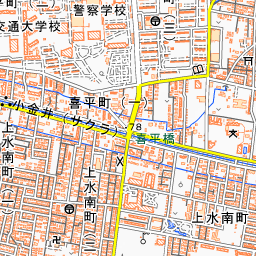
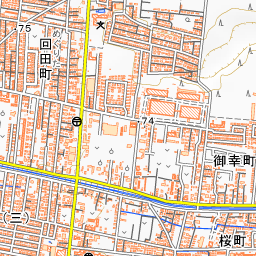
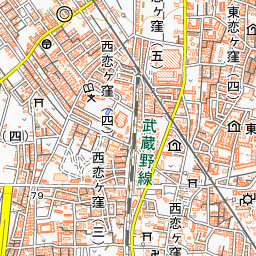
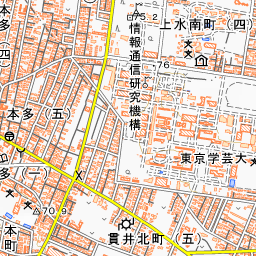
It is a 10-minute walk from the South Exit of Hitotsubashi-Gakuen Station on the Seibu Tamako Line. From the North Exit of JR Kokubunji Station, take the Seibu bus bound for Kodaira Station South Exit, get off at "Hitotsubashi Byoin" (Hitotsubashi Hospital), and walk for 7 minutes. Viewing the works in the exhibition hall before touring the memorial hall will help you appreciate Denchu's living space and studio on a deeper level. In the garden, an old plum tree listed among the "100 Famous Trees of Kodaira" spreads its branches. In spring and autumn, the garden is opened to the public, and events such as outdoor tea ceremonies (nodate) are held.



Spot location © OpenStreetMap contributors (ODbL)
Open in Google MapsUse asobot while you walk
- See where you are on the map and find spots nearby
- Listen to the guide's audio in course order, one after another (with subtitles)
- Walk to the next spot while following the map
Open on your phone
Scan to open this spot in asobot on your phone.