 ✨ AI Generated
Fusai-ji Temple
Japanese: 普済寺
Tachikawa, Tokyo
This information was written by AI and may contain mistakes. Please check official sources for opening hours, fees, and other details before you go.
Found a mistake? Let us know with “✏️ Something's wrong” on this spot's screen in asobot →
🎧 Audio guide(1:01)
In short
Fusai-ji Temple, located in Shibasakicho, Tachikawa City, is a temple of the Kencho-ji branch of the Rinzai sect of Zen Buddhism. It was founded during the Nanboku-cho period in 1353 by inviting Motsugai Kaju from Kencho-ji Temple in Kamakura. It is known for housing Tachikawa City's only National Treasure, the "Rokumen Sekido" (six-sided stone pillar).
- National Treasure Rokumen Sekido: A stone structure made in 1361, featuring images of Kongo Rikishi (fierce guardian deities) and the Shitenno (Four Heavenly Kings) carved on six stone slabs arranged in a hexagonal shape.
- Tachikawa Clan Manor Site: A Tokyo Metropolitan Designated Historic Site where the Tachikawa clan is believed to have resided, featuring remaining earthen ramparts near the main hall.
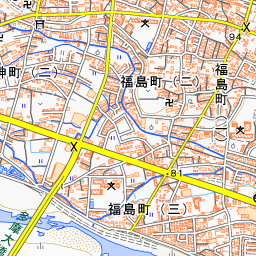
- Views from the Terrace: Situated on a terrace overlooking the Tama River, offering views of the cherry tree-lined Negawa river below in spring.
History and Highlights
Fusai-ji Temple holds the mountain name Genbusan and belongs to the Kencho-ji branch of the Rinzai sect. It was founded in 1353 (Bunwa 2) during the Nanboku-cho period by inviting Motsugai Kaju from Kencho-ji Temple in Kamakura. It is said to have been established by Tachikawa Munetsune, who ruled the Tachikawa area, as a family temple for his clan. The Tachikawa clan were warriors belonging to the Musashi Shichito (seven warrior clans of Musashi), and they are believed to have had their manor here.
In 1590, the temple suffered the fires of war due to an attack by the Toyotomi forces, losing most of its buildings and temple treasures. Reconstruction began around the early Edo period, and by the late Edo period, it had become a celebrated location listed in the Edo Meisho Zue (Guide to Famous Spots of Edo). The main hall and other structures were lost again in a fire in 1995, and the current main hall was rebuilt in 2004.
The Rokumen Sekido was crafted in 1361 (Enbun 6). Six slabs of green chlorite schist measuring 166 cm in height, 42 cm in width, and 9 cm in thickness are assembled on a hexagonal pedestal, topped with a hexagonal capstone and a jewel. Of the six faces, two feature images of Nio (Kongo Rikishi), and four feature the Four Heavenly Kings. It was designated a National Treasure in 1913 (Taisho 2), and re-designated as a National Treasure in 1953 (Showa 28). Because the place where it was situated was designated as a landslide warning area, it was moved to a new storage house built in a safe location on the temple grounds; the relocation, together with conservation and repair work, was completed in 2025.
Highlights for Viewing and Experiencing
- Images of the Four Heavenly Kings and Nio: The Four Heavenly Kings consist of Zochoten, Komokuten, Tamonten, and Jikokuten. Komokuten is depicted in a standing posture holding a brush and a scroll, appearing as if writing something down. A severe gaze and wrinkles between the eyebrows are carved into the face.
- Inscriptions and Auspicious Motifs: Inscriptions remain only on the Komokuten panel, stating that it was carved by Doen under the initiative of a person named Shoryo. On all six faces, auspicious patterns called kissho monyo can be seen on the upper part of the slabs.
- Earthen Ramparts of the Tachikawa Clan Manor Site: A Tokyo Metropolitan Designated Historic Site, retaining earthen ramparts about 2 meters in height and about 40 meters in length near the main hall.
Walking Tips
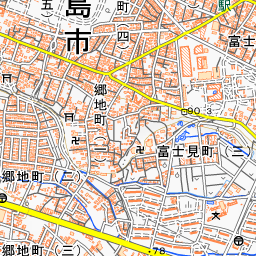
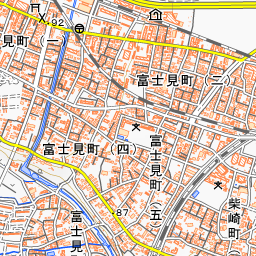
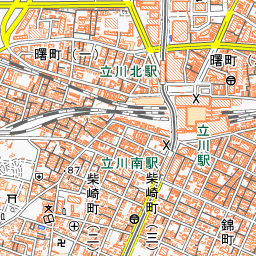
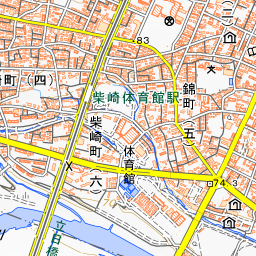
The temple is located about 700 meters west of Shibasaki-Taiikukan Station on the Tama Monorail. As you proceed along the approach, you will see a bell tower on your right, and passing through the two-story gate in front and crossing the arched drum bridge will bring the main hall into view. The temple is situated on the edge of a cliff of the river terrace on the north bank of the Tama River. In spring, the rows of cherry trees along the Negawa river can be seen below, and if the weather is clear, you can view the distant mountain ranges. From the Negawa Greenway below the cliff, you can look up at Fusai-ji Temple standing atop the cliff. As the Rokumen Sekido has been relocated to the new storage house, those who wish to see the actual object should check the current visitor guidelines before visiting.



Guides that include this spot (1)
Use asobot while you walk
- See where you are on the map and find spots nearby
- Listen to the guide's audio in course order, one after another (with subtitles)
- Walk to the next spot while following the map
Open on your phone
Scan to open this spot in asobot on your phone.