 ✨ AI Generated
Ogasawara World Heritage Center
Japanese: 小笠原世界遺産センター
Ogasawara Village, Tokyo
This information was written by AI and may contain mistakes. Please check official sources for opening hours, fees, and other details before you go.
Found a mistake? Let us know with “✏️ Something's wrong” on this spot's screen in asobot →
🎧 Audio guide(1:00)
In short
The Ogasawara World Heritage Center is a facility located in Nishimachi on Chichijima Island, near the Omura Coast. Opened in 2017 as a base for conservation, it introduces the value of the Ogasawara Islands as a World Heritage site and the efforts to protect them. In addition to viewing exhibits, visitors can observe rare snails and tiger beetles being protected through glass.
- Exhibition Hall: Introduces endemic species and initiatives to protect them. A life-sized model of an albatross is also on display.
- Conservation and Breeding Room: Allows visitors to observe the breeding of rare snails (maimai) and tiger beetles through glass.
- Foot-Washing Area: Located outside the building, allowing visitors to wash mud off their shoes before and after hiking.
History & Highlights
The Ogasawara World Heritage Center is a facility located in Nishimachi on Chichijima Island. It opened in May 2017 as a base for introducing the value of the Ogasawara Islands as a World Heritage site, showcasing conservation efforts, and carrying out conservation management. The building also houses the Ogasawara Nature Conservation Office of the Ministry of the Environment.
The Ogasawara Islands are oceanic islands that have never been connected to a continent, and were inscribed as a World Natural Heritage site in 2011. Within their limited land area, unique speciation occurred, and numerous endemic species can be seen. In particular, 100 species of land snails have been confirmed, of which 94 percent are endemic. Members of the land snail genus Mandarina (katamaimai) have different shell colors and shapes depending on whether they live in trees or on the ground. The Ogasawara Islands are called an "evolutionary laboratory" because these processes of speciation can still be observed today.
On the other hand, endemic creatures are declining in number due to predation by invasive alien species and loss of habitat. On Chichijima Island, endemic land snails face the threat of extinction from being eaten by the invasive New Guinea flatworm (Platydemus manokwari).
The center is divided into rooms with specific roles, and the Exhibition Hall and Multipurpose Room are open to the general public.
Viewing & Experience Highlights
- Exhibition Hall: Introduces the endemic species and ecosystems that form the value of the World Heritage site, as well as efforts to protect them. In addition to a life-sized model of an albatross and snail figures using real shells, a replica of a barrier used to keep out invasive green anoles is on display. Visitors can also write a commemorative message on the message board.
- Conservation and Breeding Room: Conducts conservation and breeding of rare Ogasawara snails and tiger beetles, and visitors can observe the breeding process through glass. Some are displayed alive, allowing visitors to see up close creatures that can only be found here.
- Kinosuke and Benihime: The center's original mascot characters. Their names were chosen from public submissions in 2022. Benihime is based on the kuchibeni-katamaimai and Kinosuke on the kinobori-katamaimai, both species of land snails.
Touring Tips
This is a great place to stop by when you want to learn more about Ogasawara. The foot-washing area outside the building is a place to clean mud off trekking shoes and other gear, and is free to use. You can borrow a faucet key and a scrub brush at the reception desk. Be sure to wash off mud here before and after activities in the mountains and other areas, or before crossing over to Hahajima Island. The Omura Coast is about 220 meters to the east, and the Weather Station Observation Deck is about 660 meters to the west-northwest.

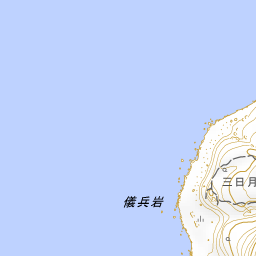
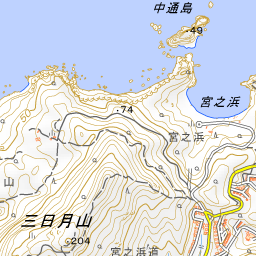
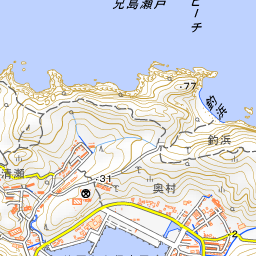
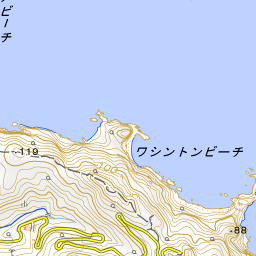

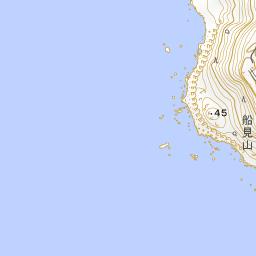
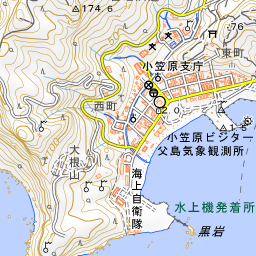
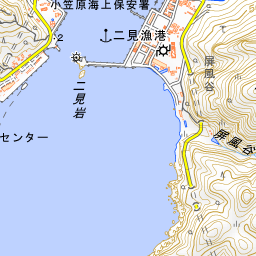
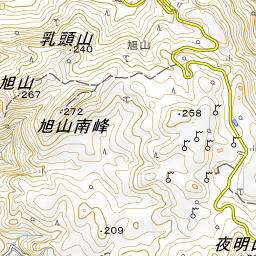

Spot location © OpenStreetMap contributors (ODbL)
Open in Google MapsGuides that include this spot (1)
Use asobot while you walk
- See where you are on the map and find spots nearby
- Listen to the guide's audio in course order, one after another (with subtitles)
- Walk to the next spot while following the map
Open on your phone
Scan to open this spot in asobot on your phone.