 ✨ AI Generated
Izumo Daijingu Shrine
Japanese: 出雲大神宮
Kameoka, Kyoto
This information was written by AI and may contain mistakes. Please check official sources for opening hours, fees, and other details before you go.
Found a mistake? Let us know with “✏️ Something's wrong” on this spot's screen in asobot →
🎧 Audio guide(1:09)
In short
The ichinomiya (first shrine) of Tamba Province, nestled at the foot of Mt. Mikage in the eastern part of the Kameoka Basin, and a shrine for en-musubi (matchmaking) enshrining Okuninushi-no-Mikoto and Mihotsuhime-no-Mikoto as its main deities. According to shrine tradition, the shrine buildings were first constructed in 709 (Wado 2). Tradition holds that what is now Izumo Taisha Shrine began when only Okuninushi-no-Mikoto was transferred to Shimane, and the shrine is also known as "Moto-Izumo."
- Manai no Mizu Water: Sacred water that continuously springs from Mt. Mikage, traditionally hailed as one of the "renowned waters of the realm"; many visitors come to draw it
- Meoto-iwa and the Red Thread: Visitors tie the red thread of a matchmaking charm around the Meoto-iwa rocks to pray for a good match
- Main Hall, an Important Cultural Property: The main hall, said to have been reconstructed by Ashikaga Takauji in the 14th century, is built in the sangensha nagare-zukuri style with a hiwadabuki (cypress bark) roof
History and Highlights
Izumo Daijingu Shrine is the ichinomiya (first shrine) of Tamba Province, nestled at the foot of Mt. Mikage in the eastern part of the Kameoka Basin. Enshrining Okuninushi-no-Mikoto and his consort deity Mihotsuhime-no-Mikoto as its main deities, it is widely cherished as a shrine for en-musubi (matchmaking and good relationships).
According to shrine tradition, the shrine pavilions were first constructed in 709, the second year of the Wado era. Prior to that, Mt. Mikage rising behind the main hall is said to have been worshipped directly as the shintai (sacred body of the deity), and entry into the sacred area on the mountain remains forbidden today. In addition, tradition holds that only Okuninushi-no-Mikoto was transferred to the Kizuki area of Shimane at the beginning of the Nara period to establish what is now Izumo Taisha Shrine, leading Izumo Daijingu Shrine to also be known as "Moto-Izumo" (Original Izumo). Its name appears in Heian-period historical records, and Tsurezuregusa (Essays in Idleness), believed to have been written toward the end of the Kamakura period, includes an amusing tale about the shrine's shishi and komainu (guardian lion-dogs) being placed facing backwards.
The current main hall is said to have been reconstructed by Ashikaga Takauji in the 14th century. It is built in the sangensha nagare-zukuri style with a hiwadabuki (cypress bark) roof. Designated as a National Treasure under the former system in 1906, it is currently designated as a national Important Cultural Property.
Points for Viewing and Experience
- Manai no Mizu Water: Sacred water that continuously springs from Mt. Mikage, traditionally hailed as one of the "renowned waters of the realm." Believed to bring the divine blessing of longevity, many visitors come to draw this water, which flows day and night.
- Meoto-iwa (Married Couple Rocks) and the Red Thread: Matchmaking charms come with a red thread, which visitors tie around the Meoto-iwa rocks on the grounds to pray for a good match. This practice is associated with the tale of a princess who traced a red thread tied to a man's garment, only to discover the man was Okuninushi-no-Mikoto.
- Iwakura and Mikage Waterfall: Behind the main hall are iwakura (massive sacred rocks where deities are said to dwell), an ancient burial mound, and the Mikage Waterfall, which enshrines a dragon deity. The inner area of the iwakura is sacred ground and cannot be entered.
Walking Tips
Take a bus from the North Exit of JR Kameoka Station and get off at "Izumo Daijingu-mae"; the shrine is right nearby. At this shrine, the proper etiquette is said to be paying respects at Kurodayu-sha Shrine—which enshrines the ancestral deities of the local parishioners—before visiting the main hall. In front of the first torii gate stands the "Shiawase Nade-usagi" (petting rabbit of happiness), which is said to bring good fortune when petted, and heart-shaped inome (boar's eye) patterns are hidden across the shrine grounds. About 1.5 kilometers to the south is the Yawaragi-no-Michi Path, a row of cherry trees along the Nanatani River.


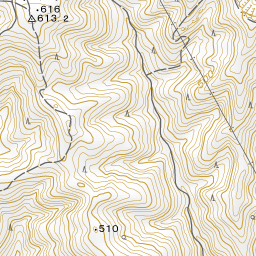
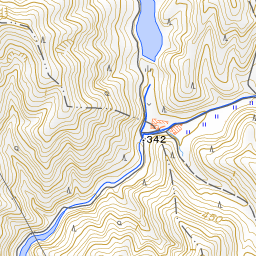


Spot location © OpenStreetMap contributors (ODbL)
Open in Google MapsGuides that include this spot (1)
Use asobot while you walk
- See where you are on the map and find spots nearby
- Listen to the guide's audio in course order, one after another (with subtitles)
- Walk to the next spot while following the map
Open on your phone
Scan to open this spot in asobot on your phone.