 ✨ AI Generated
Yunohana Onsen
Japanese: 湯の花温泉
Kameoka, Kyoto
This information was written by AI and may contain mistakes. Please check official sources for opening hours, fees, and other details before you go.
Found a mistake? Let us know with “✏️ Something's wrong” on this spot's screen in asobot →
🎧 Audio guide(1:04)
In short
A hot spring village in a quiet mountainous area, about 7 kilometers west of the center of Kameoka, known as the "inner parlor of Kyoto." A legend remains that far back in the Sengoku (Warring States) period, samurai warriors wounded in battle healed their sword cuts here.
- Natural Radium Hot Spring: The spring is a simple weak radioactive hot spring, said to be good for neuralgia, muscle pain, joint pain, sensitivity to cold, and recovery from fatigue
- Seasonal Flavors: Inns line the area serving meals that make the most of mountain blessings, including wild edible plants in spring, sweetfish (ayu) in summer, matsutake mushrooms in autumn, and local sake alongside botan nabe (wild boar hot pot) in winter. The branded Kameoka beef is another taste unique to this land
- Day-Trip Baths: As there are inns that offer day-trip bathing, you can stop by the hot springs between sightseeing in Kyoto or Kameoka without staying overnight
History and Highlights
Yunohana Onsen is a hot spring village nestled in a quiet mountainous area, about 7 kilometers west of the center of Kameoka. Known as the "inner parlor of Kyoto," it can be reached in about 40 minutes by car from central Kyoto and in about an hour from central Osaka.
A legend persists that far back in the Sengoku (Warring States) period, samurai warriors wounded in battle healed their sword cuts here. Clear air and the natural scenery of the four seasons color the rustic mountain ravine hot spring, and its quiet, tranquil ambiance carries a simple charm not found in the city.
The spring quality is a simple weak radioactive hot spring, a natural radium hot spring. It is said to be good for neuralgia, muscle pain, joint pain, sensitivity to cold, and recovery from fatigue.
Scattered around the hot spring village are temples and shrines where history and legends still live today, such as Anao-ji Temple, Jinzo-ji Temple, Myoshu-ji Temple, and Hiedano-jinja Shrine. It is a hot spring destination visited by families and groups from the Keihanshin region and other areas.
Highlights and Experiences
- Mountain Village Baths: Soaking in the hot springs at inns surrounded by mountains allows you to enjoy the scenery of the mountain village as it shifts with each season, from cherry blossoms and fresh greenery to autumn leaves and snow.
- Seasonal Flavors: Inns line the area serving meals that make the most of mountain blessings, including wild edible plants in spring, sweetfish (ayu) in summer, matsutake mushrooms in autumn, and local sake alongside botan nabe (wild boar hot pot) in winter. The branded Kameoka beef is another taste unique to this land.
- Day-Trip Baths: As there are inns that accommodate day-trip bathing, you can stop by the hot springs between sightseeing in Kyoto or Kameoka without having to stay overnight.
Tips for Exploring
Heading about 2 kilometers along National Route 372 toward Sasayama brings you to Kokusho-ji Temple, associated with Akechi Mitsuhide, where bellflowers (kikyo) reach their peak from late June through July at Kikyo-no-Sato in front of the gate. On autumn and winter mornings when mist enshrouds the Kameoka Basin, you can also view a sea of clouds from Kameoka Kiri-no-Terrace. Combining your visit with the Hozugawa River Boat Ride and the Sagano Romantic Train allows you to experience the nature and history of Kameoka all at once.
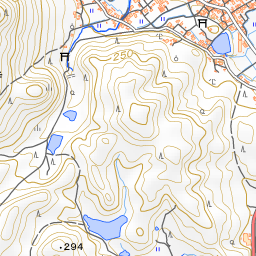
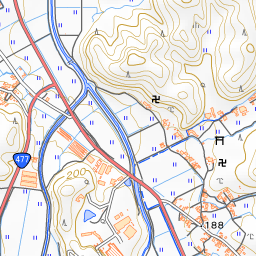
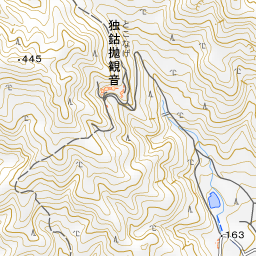
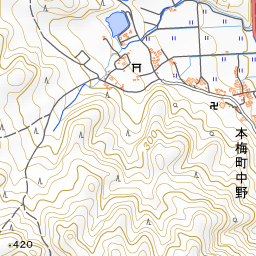
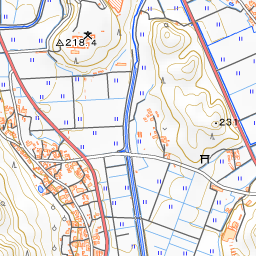
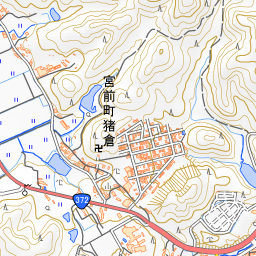
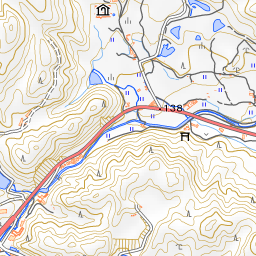
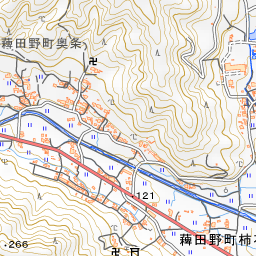
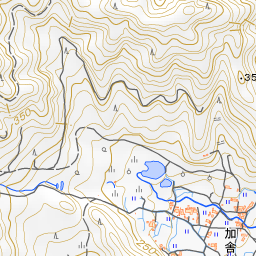
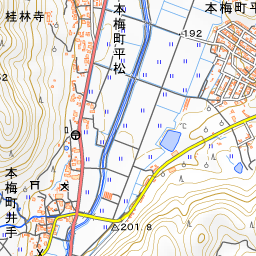
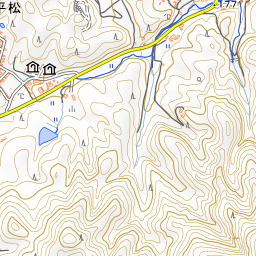
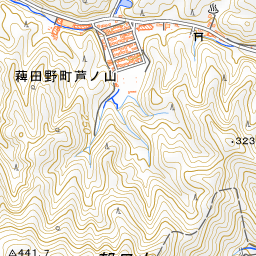
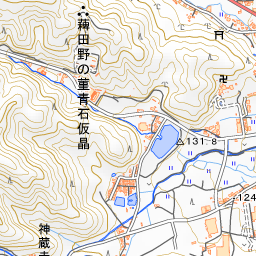
Spot location © OpenStreetMap contributors (ODbL)
Open in Google MapsGuides that include this spot (1)
Use asobot while you walk
- See where you are on the map and find spots nearby
- Listen to the guide's audio in course order, one after another (with subtitles)
- Walk to the next spot while following the map
Open on your phone
Scan to open this spot in asobot on your phone.