 ✨ AI Generated
Fujita Museum
Japanese: 藤田美術館
Miyakojima Ward, Osaka
This information was written by AI and may contain mistakes. Please check official sources for opening hours, fees, and other details before you go.
Found a mistake? Let us know with “✏️ Something's wrong” on this spot's screen in asobot →
🎧 Audio guide(1:16)
In short
An art museum that showcases the collection established by Fujita Denzaburo, an entrepreneur active during the Meiji period, and his sons, Heitaro and Tokujiro. The collection consists of approximately 2,000 items, centered on ancient East Asian art, of which 9 are National Treasures and 53 are Important Cultural Properties. The museum temporarily closed in 2017 to rebuild its building, and opened as a new museum in April 2022.
- National Treasure Yohen Tenmoku Tea Bowl: The Yohen Tenmoku tea bowl is a masterpiece adorned with lapis-blue patterns across the entire bowl. Only three Yohen Tenmoku bowls of this kind remain, and all are in Japan and designated as National Treasures
- Architecture That Inherits the Memory of the Storehouse: The entrance to the exhibition gallery uses the door from the old museum that was once a storehouse. The lighting is all yellow, and as your eyes adjust to the dim interior, the works appear to emerge before you
- Garden and Amijima Chaya: From the gallery outside the exhibition room, you can step out into the garden and see a Tahoto pagoda relocated from Mount Koya. At Amijima Chaya in the entrance area, you can enjoy tea and dango dumplings
History and Highlights
Fujita Museum is an art museum that showcases the collection established by Fujita Denzaburo, an entrepreneur active during the Meiji period, and his sons, Heitaro and Tokujiro. Fujita Denzaburo was born in Hagi, Choshu in 1841 (the 12th year of the Tenpo era), moved to Osaka at the beginning of the Meiji period, and was involved in enterprises such as mining, railways, and textiles. He also served as the second president of the Osaka Chamber of Commerce.
After the Meiji Restoration, Fujita Denzaburo felt a sense of crisis as many cultural properties preserved in temples, shrines, and elsewhere were being taken overseas or treated carelessly. He resolved to collect artworks to prevent the loss and dispersal of national treasures and began his acquisitions. Carrying on his wishes, his sons opened the Fujita Museum in 1954.
The collection consists of approximately 2,000 items, centered on ancient East Asian art, including 9 National Treasures and 53 Important Cultural Properties. Among them, the National Treasure Yohen Tenmoku tea bowl is a masterpiece adorned with lapis-blue patterns across the entire bowl; only three such Yohen Tenmoku bowls remain, and all are in Japan and designated as National Treasures.
The former exhibition room was a storehouse of the Fujita family residence that survived the bombing of Osaka in 1945. The museum temporarily closed in 2017 to rebuild its facilities and reopened as a new museum in April 2022.
Viewing and Experience Highlights
- Architecture that inherits the memory of the storehouse: The high wall that once surrounded the grounds has been removed, and the exterior wall facing the street is now fully glazed with glass. The entrance to the exhibition gallery uses the door from the old museum that was once a storehouse, and beyond it, the beams of the old museum are on display.
- Exhibition room viewed by letting your eyes adjust: The lighting is entirely in yellow tones, designed to evoke candlelight or light filtering through shoji paper screens. As your eyes adjust to the dim interior, the works appear to emerge before you. The number of displayed works is kept small, allowing for relaxed and thorough viewing.
- Garden and Amijima Chaya: From the gallery outside the exhibition room, you can step out into the garden and view a two-storied Tahoto pagoda relocated from Mount Koya. At the Amijima Chaya located in the entrance area, you can enjoy tea and dango dumplings.
Walking Tips
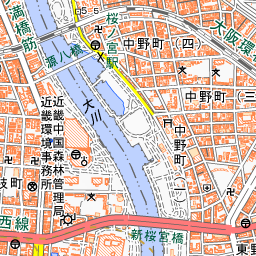
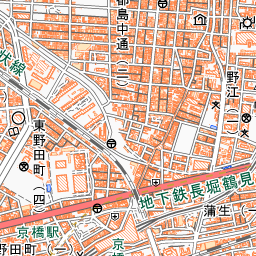
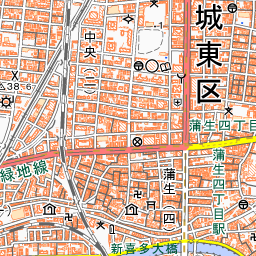
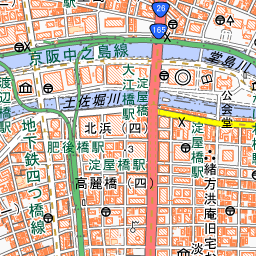
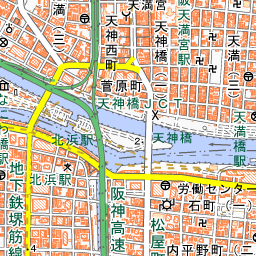
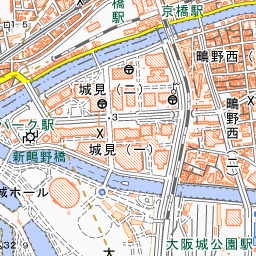
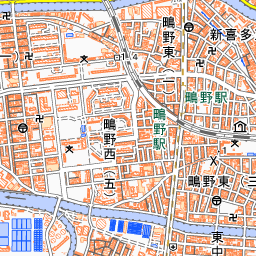
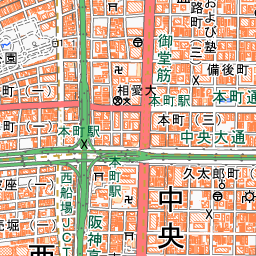
It is a 1-minute walk from Exit 3 of Osakajokitazume Station on the JR Tozai Line. You can listen to a free audio guide using your own smartphone and earphones. Because there is no dedicated parking lot, please visit by train. Osaka Castle Park spreads out approximately 950 meters to the south, making it easy to visit both together.



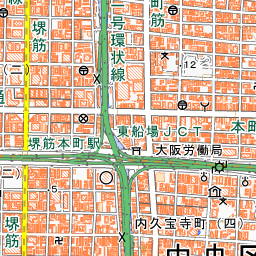
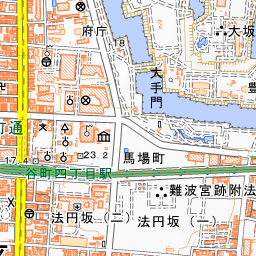
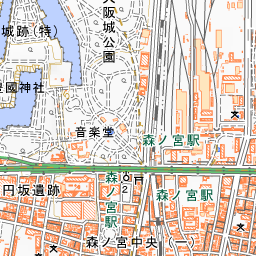
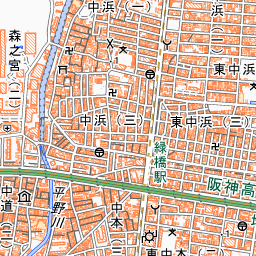
Spot location © OpenStreetMap contributors (ODbL)
Open in Google MapsGuides that include this spot (1)
Use asobot while you walk
- See where you are on the map and find spots nearby
- Listen to the guide's audio in course order, one after another (with subtitles)
- Walk to the next spot while following the map
Open on your phone
Scan to open this spot in asobot on your phone.