 ✨ AI Generated
Gyokudo Art Museum
Japanese: 玉堂美術館
Ome, Tokyo
This information was written by AI and may contain mistakes. Please check official sources for opening hours, fees, and other details before you go.
Found a mistake? Let us know with “✏️ Something's wrong” on this spot's screen in asobot →
🎧 Audio guide(1:01)
In short
The Gyokudo Art Museum exhibits the works of Kawai Gyokudo, a master of modern Japanese-style painting (Nihonga). Located in the Mitake Valley in Mitake, Ome City, where Gyokudo spent more than a decade of his later years, it opened in 1961 (Showa 36), four years after his death. The building was designed by Yoshida Isoya, a master of sukiya architecture.
- Seasonal exhibitions: From sketches made around the age of 15 to his final work at age 84, works suited to the season are rotated and exhibited about seven times a year.
- Recreated studio: Inside the museum, there is a room that recreates his studio from that time.
- Karesansui dry landscape garden: Using stones from the Tama River, this dry landscape garden is considered one of Tokyo's prominent karesansui gardens.
History and Highlights
Kawai Gyokudo was a Japanese painter born in Aichi Prefecture in 1873 (Meiji 6). At the age of 14, he apprenticed under Mochizuki Gyokusen in Kyoto and later studied under Kono Bairei. The name "Gyokudo" was taken from the "Gyoku" of his teacher Gyokusen and the "Do" of his maternal grandfather, Chikudo. Moving to Tokyo at the age of 23, he studied under Hashimoto Gaho and developed his own unique style, depicting the nature of Japan's four seasons in a rich, lyrical, and realistic manner. In 1940 (Showa 15), he was awarded the Order of Culture.
Around the time he moved to Tokyo, Gyokudo visited Okutama for the first time. Deeply moved by the mountains and valleys, he began visiting frequently to sketch. In 1944 (Showa 19), he evacuated to Mitake, and the following year, his home in Ushigome, Tokyo, was burned down in an air raid. Gyokudo spent more than ten years in Mitake until his death in 1957 (Showa 32) at the age of 84.
Gyokudo was also beloved by the local people for his character. Calls arose to build an art museum in the Mitake Valley, a place Gyokudo loved dearly, and donations were gathered from locals and Gyokudo fans nationwide. Thus, in May 1961 (Showa 36), four years after his passing, the Gyokudo Art Museum opened. The building was designed by Yoshida Isoya, a master of sukiya architecture, and harmonizes well with the natural environment of Okutama. The collection consists of approximately 300 works.
Highlights for Viewing and Experience
- Seasonal exhibitions: The exhibits span a wide range, from sketches done around age 15 to his final work at age 84, and are rotated approximately seven times a year. Because works matching the season are displayed, the paintings you can encounter vary depending on the time of year you visit.
- Recreated studio: Inside the museum is a room recreating his studio from that period. While in Mitake, Gyokudo's daily routine was to go out for a walk before dawn. Upon returning, it is said that he would post a sign reading "Absent in the morning" at the entrance and shut himself inside his studio.
- Karesansui dry landscape garden: Facing the Mitake Valley, the garden is a dry landscape garden that uses stones from the Tama River. It is considered one of Tokyo's prominent karesansui gardens and is featured in the book Hidden Gardens of Japan. The garden can be viewed from the studio, and a large maple tree casts shade near the studio.
Tips for Exploring
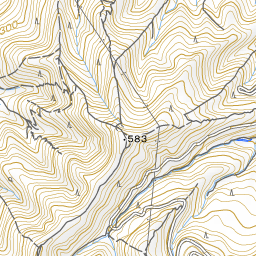
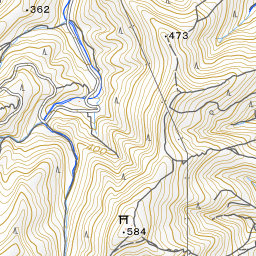
The museum is about a 5-minute walk from Mitake Station on the JR Ome Line. It is located along the walking trail of the Mitake Valley. You may also enjoy walking the Mitake Valley trail and taking in the flow of the river on your visit. About 1 kilometer to the northeast is the Ozawa Sake Brewery.
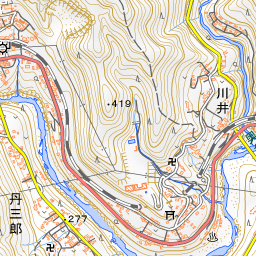

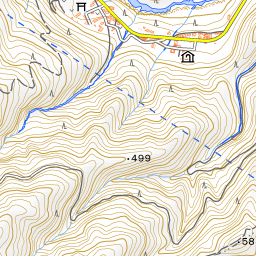
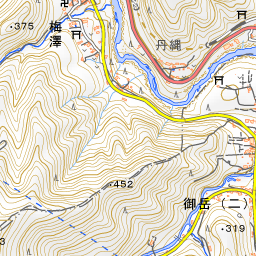
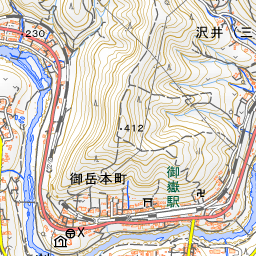
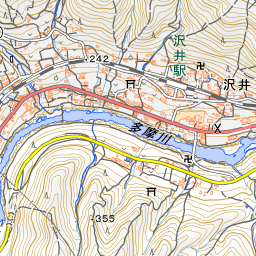
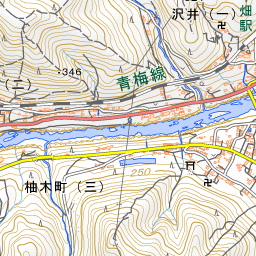
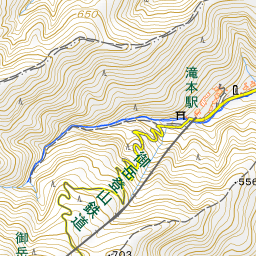
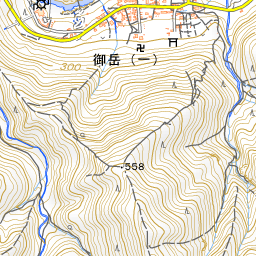
Spot location © OpenStreetMap contributors (ODbL)
Open in Google MapsGuides that include this spot (1)
Use asobot while you walk
- See where you are on the map and find spots nearby
- Listen to the guide's audio in course order, one after another (with subtitles)
- Walk to the next spot while following the map
Open on your phone
Scan to open this spot in asobot on your phone.