 ✨ AI Generated
Jujo Ginza Shopping Street
Japanese: 十条銀座商店街
Kita City, Tokyo
This information was written by AI and may contain mistakes. Please check official sources for opening hours, fees, and other details before you go.
Found a mistake? Let us know with “✏️ Something's wrong” on this spot's screen in asobot →
🎧 Audio guide(1:02)
In short
Jujo Ginza Shopping Street is an arcade shopping street with an entrance at the roundabout of the North Exit of Jujo Station on the JR Saikyo Line. It originated from three merchant associations formed around 1930, and the establishment of an association was officially approved in 1938. Along with Togoshi Ginza and Sunamachi Ginza, it is also referred to as one of Tokyo's Three Great Ginza.
- Fully covered arcade: The first generation on the main street was completed in 1977. The current roof is barrel-vault-shaped, allowing you to shop without an umbrella even on rainy days.
- Origins of the three zones: It is said that the current Zone 1, Zone 2, and Zone 3 correspond to the three former merchant associations.
- Street of prepared foods: Known as a "sozai (delicatessen) paradise" due to its abundant offerings, it received the Minister of Agriculture, Forestry and Fisheries Award.
History and Highlights
Jujo Ginza Shopping Street is an arcade shopping street whose entrance lies at the roundabout of the North Exit of Jujo Station on the JR Saikyo Line. Along with Togoshi Ginza and Sunamachi Ginza, it is also called one of Tokyo's Three Great Ginza.
From around the middle of the Meiji period, army facilities began to be established in Jujo, and Jujo Station opened in 1910 (Meiji 43). Shops began opening around the station, and around 1930, three merchant associations—Ginza 1-chome Kai, Ginza Kai, and Showa Kai—were organized. It is said that the three groups developed the shopping district while competing with and supporting each other. In 1938, approval was granted to establish the Tokyo Jujo Ginza Shopping Street Commercial Cooperative.
During the war in 1943, the commercial cooperative moved toward dissolution. After the war, around 1946, the Tokyo Jujo Ginza Shopping Street Reconstruction Cooperation Association was established to begin recovery efforts, and through reorganization, it became the Jujo Ginza Shopping Street Promotion Association in 1963.
In March 1977, the first fully covered arcade and marble paving were completed on the main street. In 1979, the arcade over the east-west streets was also finished. The arcade was renewed in 1998 and 2014. In 1967, the 1st Jujo Awa Odori Festival was held and continued until its 10th edition.
Viewing and Experience Highlights
- Barrel-vault-shaped arcade: The gently curved, semi-cylindrical roof features continuous cylindrical lines. Try looking up as you walk. It is a rare covered arcade shopping street within Tokyo, allowing you to shop without an umbrella even on rainy days.
- Origins of the three zones: It is said that the current Zone 1 corresponds to the former Ginza 1-chome Kai, Zone 2 to Ginza Kai, and Zone 3 to Showa Kai. Zone 2 and Zone 3 are divided by Fujisan Road.
- Street of prepared foods: Celebrated for an abundance of prepared dishes so great it is dubbed a "sozai paradise," and praised as a community-based shopping street that attracts a diverse range of customers, it received the Minister of Agriculture, Forestry and Fisheries Award at the 30th Good Management Food Retailer Awards.
Visiting Tips
Exit through the North Exit ticket gate of JR Jujo Station, and the entrance to the arcade is about a 30-second walk away. The large arcade structure marked "Jujo Ginza" is your landmark. Heading north from the entrance, the street gently curves to the right.
Centered around the main street, streets such as Higashi-dori, Nishi-dori, and Fujisan Road intersect. Fujisan Road is a nickname renamed from Ofujisan-dori in 1987, and Petit Road, an alley in front of the station, is also a nickname renamed in 1986. Beyond the exit of the arcade lies Fujimi Ginza. Inside the shopping street, you must dismount from bicycles and kickboards.
Akabane Ichibangai Shopping Street is located about 1.9 kilometers almost directly north of here, at the East Exit of Akabane Station, the next stop on the JR Saikyo Line.
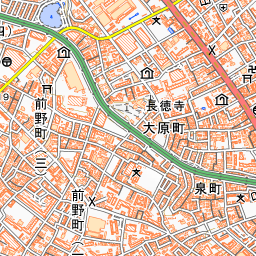
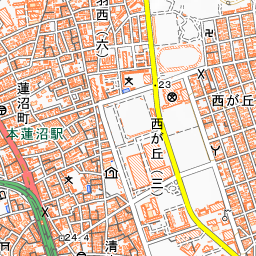
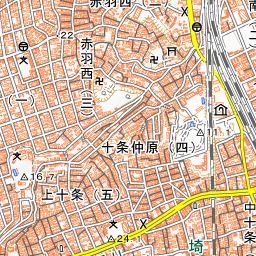
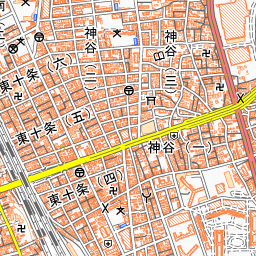
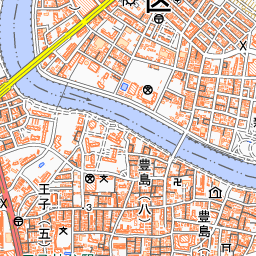
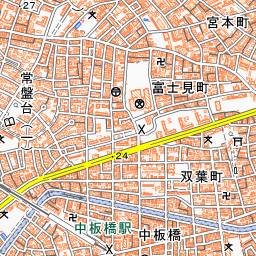
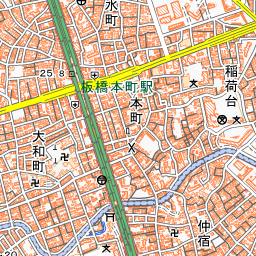
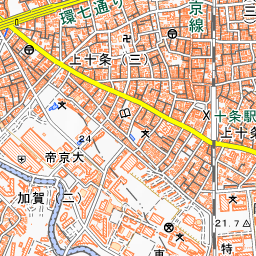
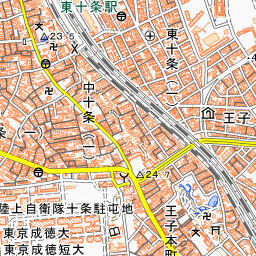
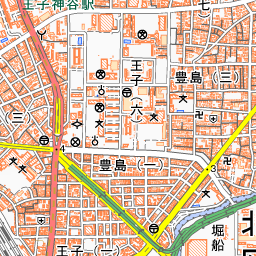
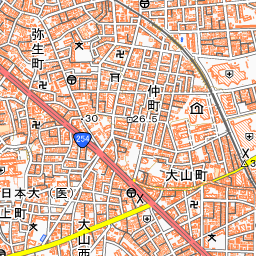
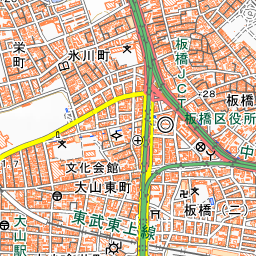
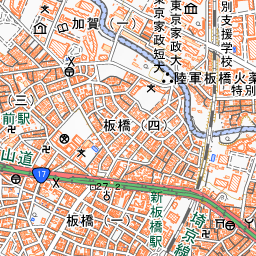
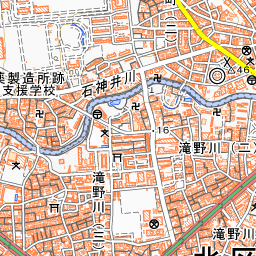
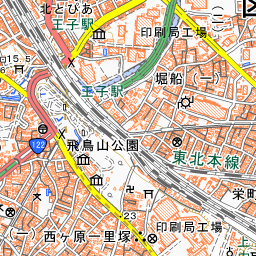
Spot location © OpenStreetMap contributors (ODbL)
Open in Google MapsUse asobot while you walk
- See where you are on the map and find spots nearby
- Listen to the guide's audio in course order, one after another (with subtitles)
- Walk to the next spot while following the map
Open on your phone
Scan to open this spot in asobot on your phone.