 ✨ AI Generated
Hiroshima City Museum of Contemporary Art
Japanese: 広島市現代美術館
Minami Ward, Hiroshima
This information was written by AI and may contain mistakes. Please check official sources for opening hours, fees, and other details before you go.
Found a mistake? Let us know with “✏️ Something's wrong” on this spot's screen in asobot →
🎧 Audio guide(1:03)
In short
Hiroshima City Museum of Contemporary Art is an art museum located inside Hijiyama Park, which opened in 1989 as Japan's first public museum to engage fully with contemporary art. The building was designed by architect Kurokawa Kisho. In March 2023, it reopened after its first large-scale renovation since opening.
- A Building Hidden among the Trees: To preserve as many trees on the mountain slope as possible, it has a low-profile structure with more than 60% of its total floor area underground, and its materials, transitioning from natural stone to tile to aluminum, represent the development of civilization and the passage of time
- Approach Plaza: A circular plaza in the center of the building, designed with part of the roof cut out so that the hypocenter can be seen beyond it
- Moore Square: "The Arch" by Henry Moore stands here, and from the far side of the square, visitors can look out over the delta cityscape that recovered from the devastation of the atomic bomb
History and Highlights
Hiroshima City Museum of Contemporary Art is an art museum located inside Hijiyama Park that opened on May 3, 1989. It was established as Japan's first public museum to engage fully with contemporary art, and the year it opened marked the 100th anniversary of the establishment of Hiroshima City's municipal system and the 400th anniversary of the construction of Hiroshima Castle. It was created as part of a plan to design all of Hijiyama Park as an art park, and the building was designed by architect Kurokawa Kisho.
To preserve as many trees on the mountain slope as possible, the building features a low-profile structure with more than 60% of its total floor area underground, standing as if hidden among the surrounding trees. The materials transition from bottom to top—natural stone, tile, and aluminum—representing the passage of time and the development of civilization from past to future. The gabled roofs evoke traditional Edo storehouses, while the center of the building features a circular plaza reminiscent of ancient Europe.
A key pillar of its collection is artwork showing the relationship between Hiroshima and contemporary art, and exhibitions themed around "Hiroshima" are also held. Starting in December 2020, the museum underwent its first large-scale renovation since opening, reopening on March 18, 2023.
Viewing and Experience Highlights
- Circular Plaza Overlooking the Hypocenter: The Approach Plaza, a circular plaza in the center of the building, was designed with a cutout in the roof that points toward the hypocenter. It is a place where visitors can feel the perspective toward Hiroshima embedded in the architecture itself.
- Moore Square: In the square adjacent to the museum across a park path stands "The Arch" by Henry Moore, one of the leading British sculptors of the 20th century. The sculpture stands about 6 meters tall, and from the far side of the square, visitors can look out over the delta cityscape that recovered from the devastation of the atomic bomb.
- New Spaces Born from the Renovation: During the renovation, a glass-walled multipurpose space and cafe were added next to the entrance. From the sunlit cafe, visitors can view an outdoor sculpture by Fernando Botero.
Walking Tips
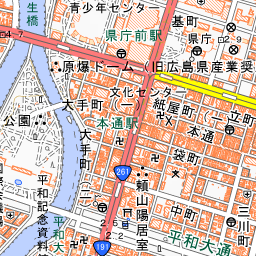
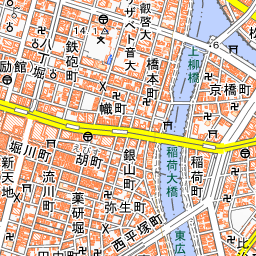
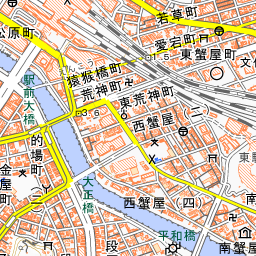
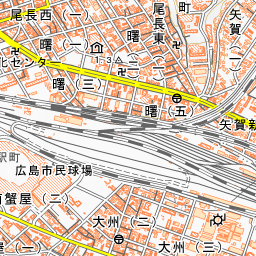
From Hiroshima Station, take a streetcar to the Hijiyama-shita stop and walk up the slope for about 500 meters. Alternatively, you can take a bus to Danbara-chuo and head to the museum via the Hijiyama Skywalk moving walkway. Hijiyama Park is popular as a cherry blossom viewing spot, and within and adjacent to the park are facilities such as a manga library. After viewing the exhibitions, take some time to gaze at the city from the park's plaza.

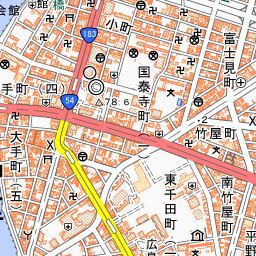
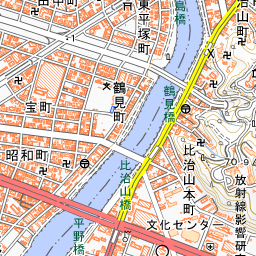

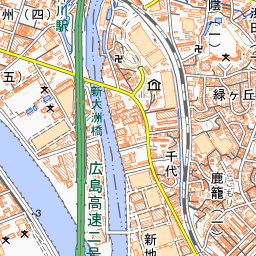
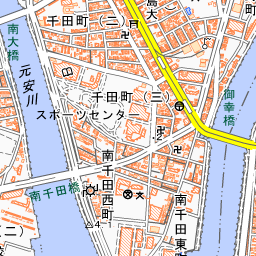
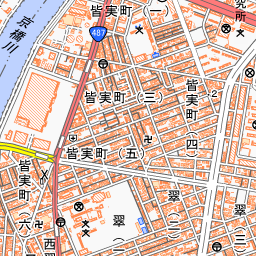
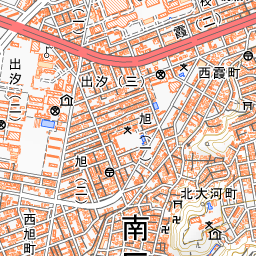
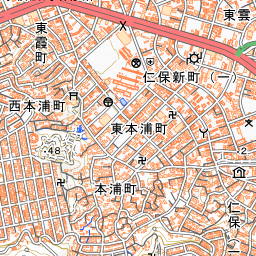
Spot location © OpenStreetMap contributors (ODbL)
Open in Google MapsUse asobot while you walk
- See where you are on the map and find spots nearby
- Listen to the guide's audio in course order, one after another (with subtitles)
- Walk to the next spot while following the map
Open on your phone
Scan to open this spot in asobot on your phone.