 ✨ AI Generated
Five-storied Pagoda
Japanese: 五重塔
Hatsukaichi, Hiroshima
This information was written by AI and may contain mistakes. Please check official sources for opening hours, fees, and other details before you go.
Found a mistake? Let us know with “✏️ Something's wrong” on this spot's screen in asobot →
🎧 Audio guide(1:06)
In short
The vermilion Five-storied Pagoda stands on a hill reached by climbing stone steps near the entrance to Itsukushima Shrine. It is said to have been built in 1407 during the Muromachi period, is a National Important Cultural Property, and is currently one of the structures belonging to Itsukushima Shrine.
- Combination of Two Styles: The structure combines the traditional Japanese Wayo style with the Zenshuyo (Zen style) introduced from China, and its roofs are covered with Japanese cypress bark
- Kinran-maki Coloring: The upper sections of the first-story pillars, coated with vermilion lacquer, are adorned with brocade-like decorative coloring known as kinran-maki
- The View Alongside Senjokaku Hall: Right next to the pagoda stands Hokoku-jinja Shrine (Senjokaku Hall), a large hall built under the order of Toyotomi Hideyoshi. The slender vermilion pagoda standing side by side with the large wooden hall is a sight unique to this hill
History and Highlights
Standing on a hill reached by climbing stone steps near the entrance to Itsukushima Shrine is the vermilion Five-storied Pagoda. It is said to have been built in 1407 during the Muromachi period, and an inscription remaining on the metal fittings at the top indicates that it was repaired in 1533 during the Sengoku (Warring States) period. Designated as a National Important Cultural Property, it is currently one of the structures belonging to Itsukushima Shrine.
The structure combines the traditional Japanese Wayo style with the Zenshuyo (Zen style) introduced from China, and its roofs are thatched with Japanese cypress bark. The pillars on the first story are coated with vermilion lacquer, and their upper sections are adorned with brocade-like decorative coloring known as kinran-maki. Although the interior of the pagoda is normally not open to the public, the ceiling of the inner sanctuary is painted with clouds and dragons, the wall behind the Buddhist statue features a lotus pond and Byakue Kannon (White-Robed Kannon), and the surrounding wooden walls depict the eight high priests of the Shingon sect.
Viewing and Experience Points
- Combination of Two Styles: The pagoda incorporates techniques from both the Wayo and Zenshuyo styles. Look up to observe the five-layered roofs and the shape of the eaves.
- The View Alongside Senjokaku Hall: Right next to the pagoda stands Hokoku-jinja Shrine (Senjokaku Hall), a massive hall built under the order of Toyotomi Hideyoshi. The contrast of the slender vermilion pagoda standing side-by-side with the colossal wooden hall is a sight unique to this hill. More detailed information about Hokoku-jinja Shrine can be found on its dedicated spot page.
- Looking Up from Below: Standing atop the hill, the pagoda can also be looked up at from the seaside and the town streets. It is recommended to appreciate the pagoda's silhouette from a short distance before climbing the stone steps.
Walking Tips
To reach the Five-storied Pagoda, climb the stone steps near the entrance to Itsukushima Shrine. As it stands side-by-side on the same hill as Hokoku-jinja Shrine, it is convenient to visit both together. You can stop by either before or after visiting Itsukushima Shrine, but note that exiting from the shrine's exit will take you away from the foot of the steps leading up the hill. If you plan to visit Daigan-ji Temple near the exit as well, deciding your route in advance will make walking around much smoother.


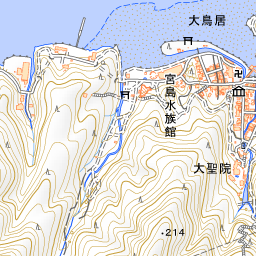
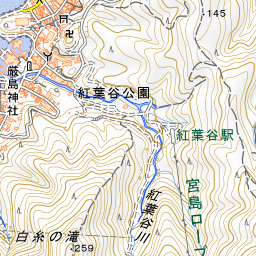
Spot location © OpenStreetMap contributors (ODbL)
Open in Google MapsGuides that include this spot (1)
Use asobot while you walk
- See where you are on the map and find spots nearby
- Listen to the guide's audio in course order, one after another (with subtitles)
- Walk to the next spot while following the map
Open on your phone
Scan to open this spot in asobot on your phone.