 ✨ AI Generated
Sennyu-ji Temple
Japanese: 泉涌寺
Higashiyama Ward, Kyoto
This information was written by AI and may contain mistakes. Please check official sources for opening hours, fees, and other details before you go.
Found a mistake? Let us know with “✏️ Something's wrong” on this spot's screen in asobot →
🎧 Audio guide(1:12)
In short
The head temple of the Sennyu-ji branch of the Shingon sect, also called "Mitera" because of its deep ties to the imperial family. In 1218, when the founding priest Shunjo built the temple complex, pure spring water welled up, and the name was changed to Sennyu-ji. The imperial mausoleums of all the emperors and empresses of the Edo period were built here.
- Descending Approach and Butsuden: Standing straight ahead at the foot of the descending approach, the Butsuden (Buddha Hall) was rebuilt in 1668 by the fourth shogun Tokugawa Ietsuna. A representative masterpiece of authentic Chinese-style (Karayo) architecture, it is a national Important Cultural Property. The dragon-in-clouds painting on the ceiling was brushed by Kano Tan'yu
- Yokihi Kannon-do: This hall enshrines a statue of Sho Kannon brought back from Southern Song China by Tankai, and it is beloved by many women as a Kannon for prayers of beauty
- Gozasho and Garden: The Gozasho is the Osato Goten of the Empress's residence at the Kyoto Imperial Palace, relocated here. In the small garden on its south side, visitors can enjoy seasonal landscapes including Satsuki azaleas, autumn foliage, and snow-viewing lanterns
History and Highlights
Sennyu-ji Temple is the head temple of the Sennyu-ji branch of the Shingon sect, and is also called "Mitera" due to its deep ties to the imperial family. It is situated at the foot of Mount Tsukinowa, at the southern tip of the Thirty-Six Peaks of Higashiyama. According to temple tradition, its origins trace back to Kobo Daishi building a thatched hermitage here during the Tencho era, which eventually came to be called Senyu-ji. In 1218 (the 6th year of Kenpo), when the founding priest Shunjo built the temple complex on temple land donated by Utsunomiya Nobufusa, the name was changed to Sennyu-ji because pure spring water welled up. Shunjo was later granted the title "Gachirin Daishi" by Emperor Meiji.
Following the funeral of Emperor Shijo held at this temple in 1242 (the 3rd year of Ninji), it assumed the status of an imperial "Mitera." The imperial mausoleums of all the emperors and empresses of the Edo period, from Emperor Gomizunoo to Emperor Komei, were also built here, and the imperial tombs rest quietly in the hills to the east of the temple. In the Reimei-den hall, the sacred memorial tablets—that is, the ancestral spirit tablets—of successive emperors are enshrined.
Sights and Experience Highlights
- Descending Approach and Butsuden: Standing straight ahead at the foot of the "descending approach" that leads down from the Daimon (Great Gate), the Butsuden (Buddha Hall) is the main hall rebuilt in 1668 (the 8th year of Kanbun) by the fourth shogun Tokugawa Ietsuna. A representative masterpiece of authentic Chinese-style (Karayo) architecture, it is designated as a national Important Cultural Property. Enshrined on the Shumidan altar are the Sanze Butsu (Buddhas of the Three Times: Amida, Shakyamuni, and Miroku), said to be the work of Unkei, and the dragon-in-clouds painting on the ceiling was brushed by Kano Tan'yu.
- Yokihi Kannon-do: Located deep on the left after entering the Daimon, this hall enshrines a statue of Sho Kannon brought back from Southern Song China by Shunjo's disciple Tankai in 1230 (the 2nd year of Kanki). Due to the statue's beauty, a legend arose that Emperor Xuanzong had it carved to reflect the likeness of the late Yang Guifei (Yokihi), and it has been called "Yokihi Kannon" since around the beginning of the Edo period. It is beloved by many women as a Kannon deity for prayers of beauty.
- Gozasho and Garden: The Gozasho is the Osato Goten of the Empress's residence at the Kyoto Imperial Palace, relocated here during the Meiji period, and it is still used today as a resting place when members of the imperial family visit to pay respects at the imperial mausoleums. In the small garden on the south side of the Gozasho, visitors can enjoy seasonal landscapes including Satsuki azaleas, autumn foliage, and snow-viewing lanterns (yukimi-doro).
Travel Tips
It is about a 20-minute walk from Tofukuji Station on the JR Nara Line, or about a 15-minute walk from the Sennyuji-michi city bus stop. The Daimon stands at the highest point of the temple grounds at the top of Sennyuji-michi, and the layout features an approach that descends from there toward the Butsuden. Visiting together with the nearby Tofuku-ji Temple or Imakumano Kannon-ji Temple within the mountain grounds is also recommended.
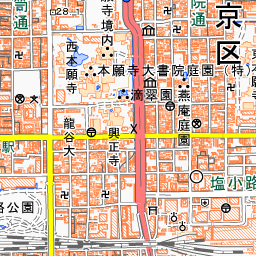
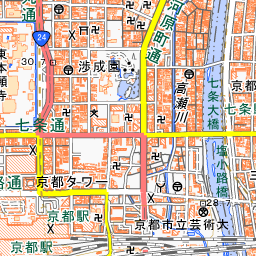
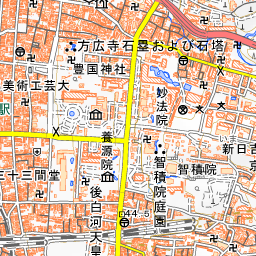
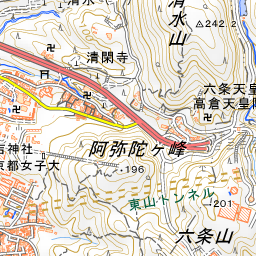
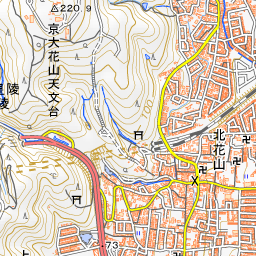
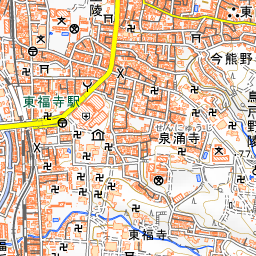
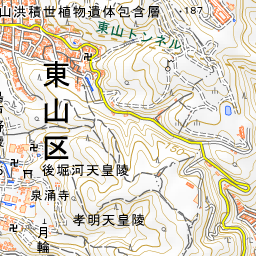
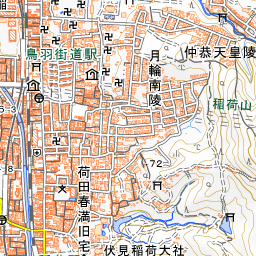
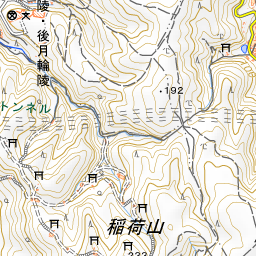
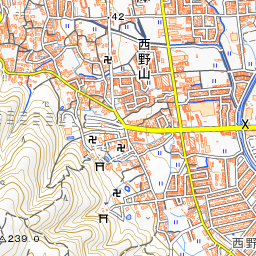
Spot location © OpenStreetMap contributors (ODbL)
Open in Google MapsGuides that include this spot (1)
Use asobot while you walk
- See where you are on the map and find spots nearby
- Listen to the guide's audio in course order, one after another (with subtitles)
- Walk to the next spot while following the map
Open on your phone
Scan to open this spot in asobot on your phone.