 ✨ AI Generated
Ota City Katsu Kaishu Memorial Museum
Japanese: 大田区立勝海舟記念館
Ota City, Tokyo
This information was written by AI and may contain mistakes. Please check official sources for opening hours, fees, and other details before you go.
Found a mistake? Let us know with “✏️ Something's wrong” on this spot's screen in asobot →
🎧 Audio guide(1:00)
In short
The Ota City Katsu Kaishu Memorial Museum shares the achievements of Katsu Kaishu, a retainer of the shogunate in the late Edo period, and his ties with Ota City. The building is the former Seimei Bunko, a nationally Registered Tangible Cultural Property completed in 1928, which was utilized to open the museum in 2019.
- Former Seimei Bunko Building: The four pilasters in the center of the facade reflect Neo-Gothic features, while geometric Art Deco patterns can be seen in the windows and interior decoration.
- Restored VIP Room and Podium: On the second floor, the VIP room and podium from the Seimei Bunko era have been restored.
- Front Garden Where Senzokuken Once Stood: The building's front garden is the site to which Senzokuken, Kaishu's villa, was once relocated. The grave site of Katsu Kaishu and his wife lies directly behind the museum.
History and Highlights
The Ota City Katsu Kaishu Memorial Museum introduces the achievements of Katsu Kaishu and his deep ties to Ota City. Kaishu was a shogunate retainer known for sailing to the United States aboard the Kanrin Maru and bringing about the bloodless surrender of Edo Castle. It is said that while on his way to Ikegami Honmon-ji Temple to discuss the handover of Edo Castle, he rested near Senzoku Pond and grew fond of the scenery. In 1891, he built his villa, Senzokuken, near the pond. Following his wishes, he was buried near Senzokuken after his death.
The museum building was originally the Seimei Bunko. Following Kaishu's death, the Seimeikai Foundation constructed it as a dual-purpose library and public hall to preserve historical sites associated with Kaishu and collect materials from the late Edo and Meiji Restoration periods. Completed in 1928, it opened in 1933. While initially planned as a wooden structure, the design was changed to reinforced concrete during planning. Shibusawa Eiichi was also among the directors of the Seimeikai Foundation.
After the Seimeikai concluded its activities, ownership of the building changed hands several times, and it was also known for a time as "Ho-o-kaku." It was registered as a national Registered Tangible Cultural Property in 2000, and Ota City acquired it in 2012. Following renovations and an expansion undertaken by the city, it opened as a memorial museum in September 2019.
Viewing and Experience Highlights
- Front Pilasters and Art Deco Design: The four pilasters in the center of the facade reflect the characteristics of the Neo-Gothic architectural style. Geometric Art Deco designs utilizing straight lines and three-dimensional depth can be seen throughout the windows and interior decoration.
- Second-Floor VIP Room and Podium: At the front of the second floor is an exhibition room that restores the VIP room from the Seimei Bunko era. Highlights include its plaster ceiling and parquet flooring. The spacious second-floor exhibition room also features a restored podium from that time. In January 1937, Tokutomi Soho gave a lecture in the Seimei Bunko auditorium.
- Artifacts Related to Kaishu: The museum contains four exhibition rooms on the first floor and two on the second floor, displaying items related to Kaishu.
Tips for Exploring
The museum is about a 6-minute walk from Senzoku-ike Station. When you stand before the building, first look up at the four pilasters in the center of the facade. The front garden at your feet is the site to which Kaishu's villa, Senzokuken, was once moved by the Seimeikai. Senzokuken was destroyed by fire after the war and no longer remains today.
Just behind the museum lies the grave site of Katsu Kaishu and his wife. The museum is located within the grounds of Senzokuike Park, making it easy to visit in conjunction with a stroll around the pond.
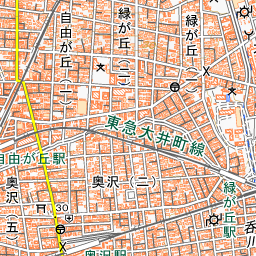
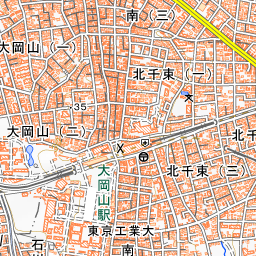
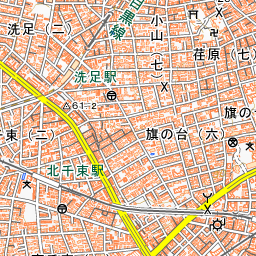
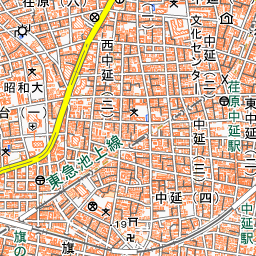
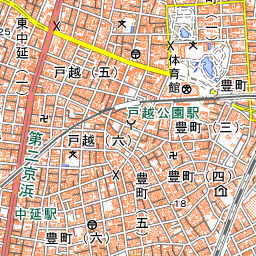
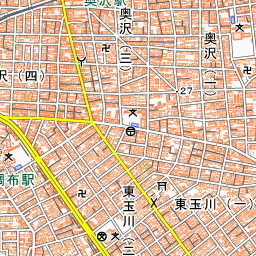
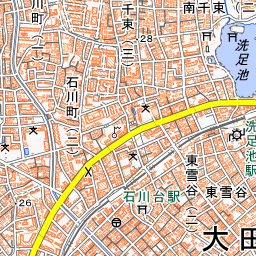
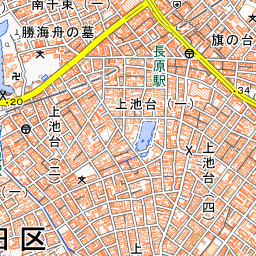
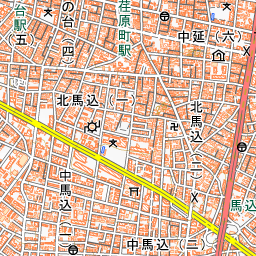
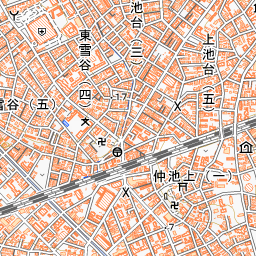
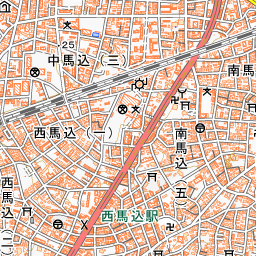
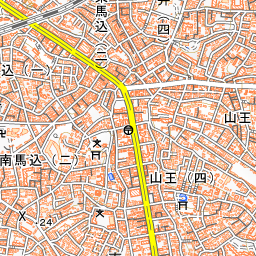
Spot location © OpenStreetMap contributors (ODbL)
Open in Google MapsUse asobot while you walk
- See where you are on the map and find spots nearby
- Listen to the guide's audio in course order, one after another (with subtitles)
- Walk to the next spot while following the map
Open on your phone
Scan to open this spot in asobot on your phone.