 ✨ AI Generated
Shosoin
Japanese: 正倉院
Nara City, Nara
This information was written by AI and may contain mistakes. Please check official sources for opening hours, fees, and other details before you go.
Found a mistake? Let us know with “✏️ Something's wrong” on this spot's screen in asobot →
🎧 Audio guide(1:10)
In short
The main storehouse (Shoso) of Shosoin is a large Nara-period storehouse that has preserved treasures associated with Emperor Shomu. It is believed to have been built around 756, when Empress Komyo dedicated items related to Emperor Shomu to the Great Buddha of Todai-ji Temple. It is among the largest surviving azekura (log-cabin style) structures from the Nara period and is designated as a National Treasure. Currently managed by the Imperial Household Agency, only the building's exterior grounds are open to the public.
- The Eastern Terminus of the Silk Road: The treasures include items brought from western regions such as Persia and India, as well as China.
- Elevated Azekura-zukuri Style: The frontage is about 33 meters, the total height is about 14 meters, and the floor is elevated about 2.7 meters above the ground.
- The Shosoin Exhibition: A portion of the treasures is exhibited to the public every autumn at the "Shosoin Exhibition" held at the Nara National Museum.
History and Highlights
The main storehouse of Shosoin is a large Nara-period storehouse situated northwest of the Great Buddha Hall of Todai-ji Temple. It consists of three sections—the North, Middle, and South Sections—joined into a single structure, and was originally one of the storehouses of Todai-ji Temple.
In 756 (Tenpyo-shoho 8), on the 49th-day memorial service (shichishichiki) of Emperor Shomu, Empress Komyo dedicated items associated with the late emperor to the Great Buddha of Todai-ji Temple. This marked the beginning of the Shosoin treasures, and the storehouse is thought to have been constructed around this time. The North Section housed cherished personal items of Emperor Shomu and served as a "chokufuso" (imperially sealed storehouse) that required the emperor's permission to open. For over a millennium, it was managed by Todai-ji Temple under the supervision of the imperial court, until its management was transferred to the national government in 1875 (Meiji 8). Today, it is under the administration of the Imperial Household Agency.
In addition to items made in Japan, the treasures include artifacts brought from China and western regions like Persia and India. Because of this, Shosoin is also referred to as "the eastern terminus of the Silk Road." After World War II, modern treasure houses were constructed, and by 1960 (Showa 35), the treasures—with the exception of some karabitsu (wooden storage chests)—were moved out of the original storehouse. They are now preserved in the West and East Treasure Houses. The main storehouse was designated as a National Treasure in 1997 (Heisei 9), and the following year it was registered as a World Heritage site as one of the "Historic Monuments of Ancient Nara."
Viewing and Experience Points
- A Large Azekura-zukuri Storehouse: The main storehouse is among the largest surviving azekura buildings from the Nara period. It is regarded as the only remaining azekura-style structure that conveys the narabikura (twin storehouse) layout.
- Elevated Floor and Scale: It is an elevated-floor storehouse made of Japanese cypress. It has a frontage of approximately 33 meters, a depth of about 9.4 meters, a clearance beneath the floor of about 2.7 meters, and a total height of about 14 meters.
- Roof Tiles: The roof is built in the yosemune-zukuri (hipped roof) style and covered with hongawarabuki (traditional curved and flat tiles). During restoration work in the Heisei period, the roof was completely re-tiled, and the supplementary replacement tiles reproduced the patterns and shapes from the time of its founding. None of the eaves tiles survived from the time of construction, with the oldest existing examples dating to the Kamakura period.
Tips for Visitors
Only the exterior grounds of the main storehouse are open to the public; visitors cannot enter the building. It is located about 410 meters north of the Great Buddha Hall of Todai-ji Temple. According to the directions from Todai-ji Temple, walking north in front of the Kanjinsho and proceeding with the pond on your left will lead you to Shosoin. A portion of the treasures is shown to the public every autumn at the "Shosoin Exhibition" at the Nara National Museum. Visiting during the exhibition allows you to experience both the treasures and the historical building that protected them.

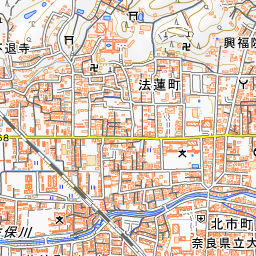
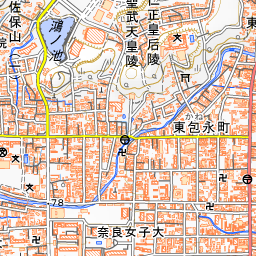
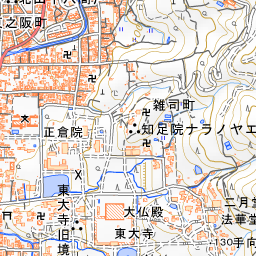
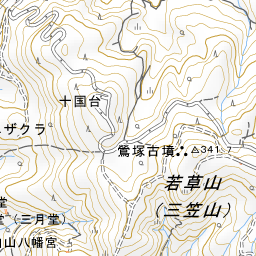

Spot location © OpenStreetMap contributors (ODbL)
Open in Google MapsGuides that include this spot (1)
Use asobot while you walk
- See where you are on the map and find spots nearby
- Listen to the guide's audio in course order, one after another (with subtitles)
- Walk to the next spot while following the map
Open on your phone
Scan to open this spot in asobot on your phone.