 ✨ AI Generated
Shimogamo-jinja Shrine
Japanese: 下鴨神社
Sakyo Ward, Kyoto
This information was written by AI and may contain mistakes. Please check official sources for opening hours, fees, and other details before you go.
Found a mistake? Let us know with “✏️ Something's wrong” on this spot's screen in asobot →
🎧 Audio guide(1:03)
In short
Formally named Kamo Mioya-jinja Shrine, this shrine is situated where the Kamo River and the Takano River merge. There is a record indicating that its sacred fence (mizugaki) was repaired in 90 BC, during the 7th year of Emperor Sujin's reign, leading to the belief that deities have been worshipped here since an even older era. It was registered as a World Cultural Heritage site in 1994.
- National Treasure Main Sanctuaries and Koto-sha Shrines: The East and West Main Sanctuaries are National Treasures. At the Koto-sha shrines, guardian deities for the twelve signs of the Chinese zodiac are enshrined across seven sub-shrines, and visitors pray at the sub-shrine corresponding to their birth year
- Tadasu-no-Mori Forest: A forest of 124,000 square meters with a pristine stream flowing through it, which retains its natural wilderness and is designated as a National Historic Site along with the shrine precinct
- Mitarashi-ike Pond and Aioi-no-Yashiro Shrine: Mitarashi dango (rice dumplings) are said to have originated from shaping dumplings after the bubbles of water rising in Mitarashi-ike Pond. At Aioi-no-Yashiro Shrine, associated with matchmaking, stands the "Renri no Sakaki," where two trees merge into one midway up
History and Highlights
Shimogamo-jinja Shrine is officially named Kamo Mioya-jinja Shrine and is situated where the Kamo River and the Takano River merge. It is also called Shimogamo-jinja Shrine because it enshrines deities downstream relative to Kamigamo-jinja Shrine, which is located upstream along the Kamo River.
While the exact origin of the shrine is unknown, there is a record indicating that the shrine's sacred fence (mizugaki) was repaired in 90 BC, during the 7th year of Emperor Sujin's reign, leading to the belief that deities have been worshipped here since an even older era. The West Main Sanctuary (Nishi Honden) enshrines Kamotaketsunumi no Mikoto, considered the deity who opened ancient Kyoto, while the East Main Sanctuary (Higashi Honden) enshrines his daughter, Tamayorihime no Mikoto, the mother deity who gave birth to the deity of Kamigamo-jinja Shrine. Following the relocation of the capital to Heian-kyo, the shrine received deep veneration from the Imperial Family and the Imperial Court as a shrine for national protection.
In 1994, it was registered as a World Cultural Heritage site. Currently, two main sanctuary buildings are designated as National Treasures, and 53 shrine buildings are designated as Important Cultural Properties.
Highlights for Viewing and Experiencing
- National Treasure Main Sanctuaries and Koto-sha Shrines: The East and West Main Sanctuaries are National Treasures, while the Romon (tower gate) and the Maidono (dance hall) are Important Cultural Properties. At the Koto-sha shrines, guardian deities for the twelve signs of the Chinese zodiac are enshrined across seven small sub-shrines, and visitors pray at the sub-shrine corresponding to their birth year.
- Tadasu-no-Mori Forest: Tadasu-no-Mori Forest, spanning 124,000 square meters, stretches across the southern part of the shrine grounds. With a pristine stream flowing through it, this primeval forest retains its natural wilderness and is designated as a National Historic Site along with the shrine precinct. Kawai-jinja Shrine, located on the south side of the grounds, is where Kamo no Chomei, author of "Hojoki," spent his childhood as the son of an assistant Shinto priest (negi).
- Mitarashi-ike Pond and Aioi-no-Yashiro Shrine: In front of Inoue-sha Shrine (also known as Mitarashi-sha), the Mitarashi-ike Pond hosts the purification ritual (Misoogi no Gi) of the Saio-dai during the Aoi Matsuri Festival, as well as the foot-soaking ritual (Ashitsuke Shinji) on the Day of the Ox in midsummer (Doyo no Ushi no Hi). Mitarashi dango (rice dumplings) are said to have originated from shaping dumplings after the bubbles rising from the pond. At Aioi-no-Yashiro Shrine, associated with matchmaking, stands the "Renri no Sakaki," where two trees merge into one midway up.
Tips for Exploring
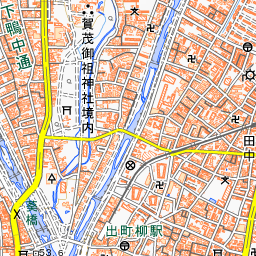
It is about a 12-minute walk from Keihan Demachiyanagi Station. Entering through the First Torii Gate on the south side and proceeding through Kawai-jinja Shrine and Tadasu-no-Mori Forest to the South Gate Torii on the north side toward the main sanctuary allows you to experience the approach leading from the forest to the shrine buildings. The Kamo Festival, held every year on May 15, is known as the Aoi Matsuri Festival, one of Kyoto's three major festivals. At the Saruya rest area on the grounds, you can taste "saru-mochi," a recreation of the rice cakes that were once offered before the deities on the day of the Aoi Matsuri Festival.
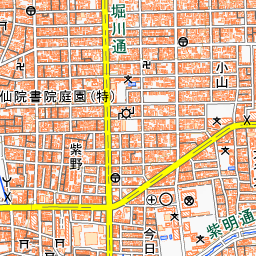

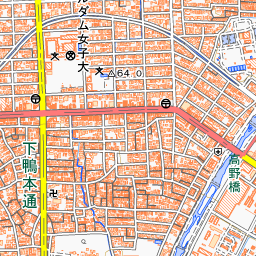
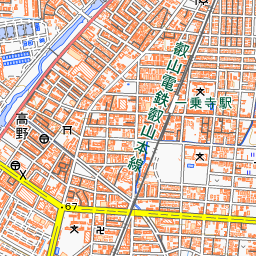
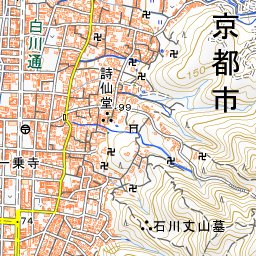
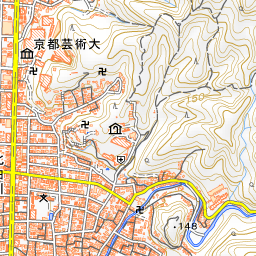


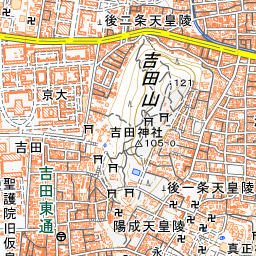
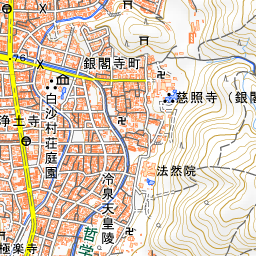
Spot location © OpenStreetMap contributors (ODbL)
Open in Google MapsGuides that include this spot (2)
Use asobot while you walk
- See where you are on the map and find spots nearby
- Listen to the guide's audio in course order, one after another (with subtitles)
- Walk to the next spot while following the map
Open on your phone
Scan to open this spot in asobot on your phone.