 ✨ AI Generated
Nikolai-do Cathedral
Japanese: ニコライ堂
Chiyoda City, Tokyo
This information was written by AI and may contain mistakes. Please check official sources for opening hours, fees, and other details before you go.
Found a mistake? Let us know with “✏️ Something's wrong” on this spot's screen in asobot →
🎧 Audio guide(1:03)
In short
Nikolai-do Cathedral is an Orthodox cathedral standing in Kanda-Surugadai. Its official name is the Holy Resurrection Cathedral in Tokyo of the Orthodox Church in Japan. Built by Nikolai, a missionary who came from Russia, it was completed in 1891 (Meiji 24) and restored after the Great Kanto Earthquake. It is designated as a national Important Cultural Property.
- Dome and Bell Tower: A cathedral fundamentally based on the Byzantine style, featuring a central dome and a bell tower that is approximately 37.7 meters high.
- Walls Remaining from the Meiji Period: Although its appearance changed considerably during reconstruction, the walls, except for the window frames, remain as they were originally built.
- Bells of Nikolai: The cathedral was equipped with a main bell that had been in a summer retreat in Hakone, along with bells cast in Poland.
History and Highlights
Nikolai-do Cathedral is an Orthodox cathedral standing in Kanda-Surugadai. Its official name is the "Holy Resurrection Cathedral in Tokyo of the Orthodox Church in Japan," but it has been called Nikolai-do Cathedral since the Meiji period after Archbishop Nikolai, who built the cathedral.
Nikolai was a missionary who came from Russia in 1861 (Bunkyo 1). Leaving Hakodate, his first mission site, in January 1872, he arrived in Tokyo. In September of the same year, he purchased the former site of the official residence of the jobikeshi (firefighters) in Kanda-Surugadai and established the "Orthodox Main Association" as a base for his missionary work. Construction of the cathedral began on this site in 1884 and was completed in 1891. The original design was by Mikhail Shchurupov, and the executive design was by Josiah Conder.
During the 1923 Great Kanto Earthquake, the wooden bell tower collapsed, causing the upper dome to fall. It was also hit by fire, leaving only the foundation and brick walls behind. Reconstruction began in 1927 and ended in 1929, with Okada Shin'ichiro in charge of the design. It was designated as a national Important Cultural Property in 1962.
Viewing and Experience Points
- Dome and Bell Tower: The architectural style is fundamentally Byzantine, featuring thick walls, small windows, and a central dome. It stands about 34.5 meters high, and the bell tower is about 37.7 meters high. During reconstruction, the shape of the large dome changed, and the bell tower was made smaller and moved closer to the central dome.
- Walls Remaining from the Meiji Period: The structure is made of brick. Although its appearance changed considerably with the reconstruction after the Great Kanto Earthquake, the walls, except for the window frames, remain as they were originally, which is recognized as having great value.
- Bells of Nikolai: The main bell was originally installed at the Orthodox Church's summer retreat in Tonosawa, Hakone. Five bells cast in Poland were also installed alongside it. In September 2018, the number of Russian-made bells was significantly increased, creating the current "Bells of Nikolai."
Strolling Tips
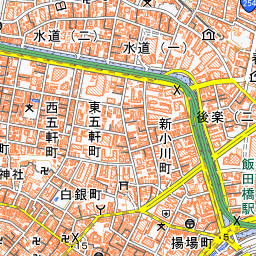
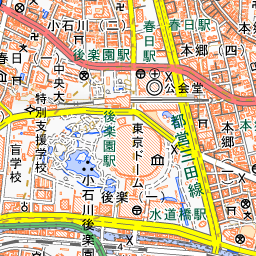
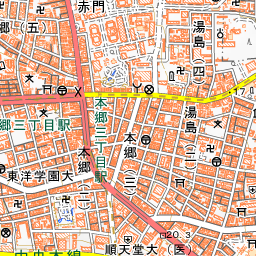
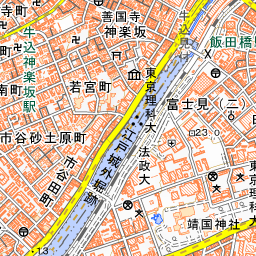
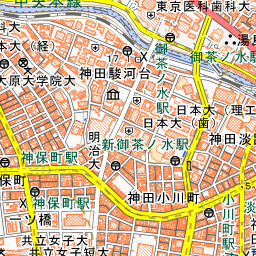
It is a 2-minute walk from both the Hijiribashi Exit of Ochanomizu Station and Exit B1 of Shin-Ochanomizu Station. The name of the Hijiri Bridge signifies a bridge connecting the two sacred sites, Nikolai-do Cathedral and Yushima Seido. Visitors can view the inside of the cathedral, though it may be closed due to church events. The chandelier inside is a replica of the Meiji period piece, newly made during repairs completed in 1998. From here, it is about 480 meters northeast to Kanda Myojin Shrine and about 670 meters west to Kanda Used Book Town.




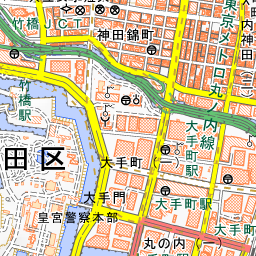
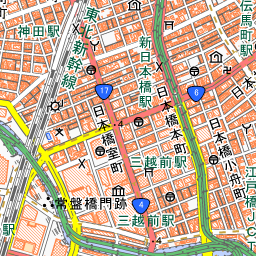
Spot location © OpenStreetMap contributors (ODbL)
Open in Google MapsGuides that include this spot (1)
Use asobot while you walk
- See where you are on the map and find spots nearby
- Listen to the guide's audio in course order, one after another (with subtitles)
- Walk to the next spot while following the map
Open on your phone
Scan to open this spot in asobot on your phone.