
Irifuneyama Memorial Museum
Japanese: 呉市入船山記念館
Kure, Hiroshima
This information was written by AI and may contain mistakes. Please check official sources for opening hours, fees, and other details before you go.
Found a mistake? Let us know with “✏️ Something's wrong” on this spot's screen in asobot →
🎧 Audio guide(1:10)
In short
Irifuneyama Memorial Museum is a memorial museum on Irifuneyama in Saiwai-cho, Kure City, whose central building is the Former Commander-in-Chief's Residence of the Kure Naval District, a National Important Cultural Property. After the previous building collapsed in the Geiyo Earthquake of 1905, it was rebuilt that same year as the current single-story structure and was used as the official residence for successive commanders-in-chief of the Kure Naval District.
- Residence Combining Western and Japanese Styles: This hybrid building features a Western-style wing at the front connected to a Japanese-style wing in the back. The Western-style wing remains well-preserved, conveying late Meiji-era architectural techniques to the present day
- Kinkarakami Walls and Ceilings: The walls and ceilings of the Western-style wing are decorated with kinkarakami, a luxurious wallpaper with embossed patterns. Through the dismantling and restoration repairs conducted in the Heisei period, the kinkarakami from the time of construction was revived
- Navy-Related Cultural Properties on the Grounds: There is the clock tower, installed at the Kure Naval Arsenal, which ticked away the hours until the end of the war, and the "Former Togo Residence Annex," an annex to the house where Togo Heihachiro temporarily lived
History and Highlights
Irifuneyama Memorial Museum is a memorial museum located on Irifuneyama in Saiwai-cho, Kure City. Its central building is the Former Commander-in-Chief's Residence of the Kure Naval District, designated as a National Important Cultural Property. Irifuneyama is a gentle hill where a military administration conference hall was built upon the establishment of the Kure Naval District. During the opening ceremony of the Kure Naval District in 1890, it served as an anzaisho (temporary imperial residence) for Emperor Meiji.
The building collapsed during the Geiyo Earthquake on June 2, 1905, and was rebuilt in the same year as the current single-story structure. From then on, it was used as the official residence for successive commanders-in-chief of the Kure Naval District. It was designed by Sakurai Kotaro, who also designed the commander-in-chief's residence of the Yokosuka Naval District. It opened as a memorial museum in 1967 and was designated as a National Important Cultural Property in 1998. It is also one of the constituent cultural properties of the Japan Heritage "The Four Dynamic Coastal Cities of Yokosuka, Kure, Sasebo, and Maizuru."
Viewing and Experience Points
- Residence combining Western and Japanese styles: This hybrid building features a Western-style wing at the front connected to a Japanese-style wing in the back. The front of the Western-style wing has an entrance hall, leading to rooms such as a large hall for receiving guests. Although the Japanese-style wing underwent alterations after the war, the Western-style wing remains well-preserved, conveying late Meiji-era architectural techniques to the present day.
- Kinkarakami walls and ceilings: The walls and ceilings of the Western-style wing are decorated with kinkarakami, a luxurious embossed gilded paper. Through the dismantling and restoration repairs conducted in the Heisei period (1989–2019), the kinkarakami from the time of construction was revived.
- Navy-related cultural properties on the grounds: The clock tower, which was installed at the Kure Naval Arsenal in 1921 and ticked away the hours until the end of the war, is a designated cultural property of Kure City. In addition, there is a granite gunpowder magazine relocated from the artillery battery on Mt. Takagarasu and the "Former Togo Residence Annex," an annex to the house where Togo Heihachiro temporarily lived; both are Registered Tangible Cultural Properties of Japan.
Walking Tips
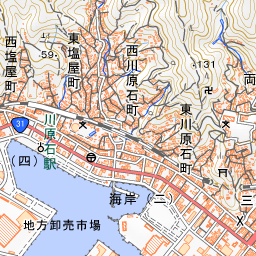
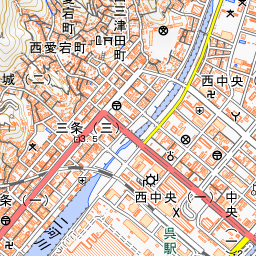
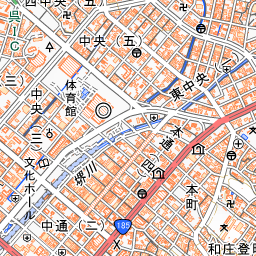
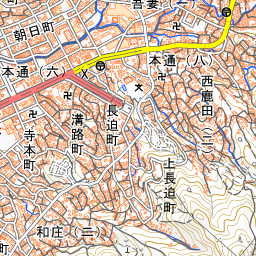
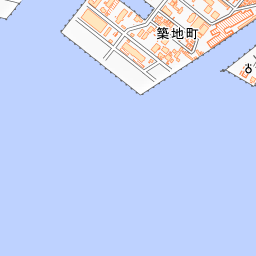
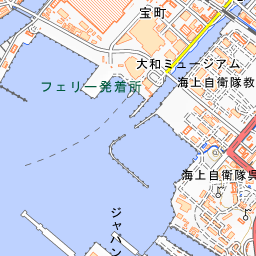
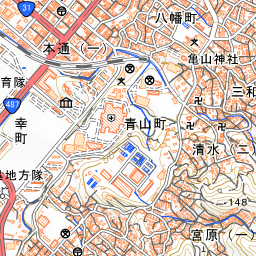
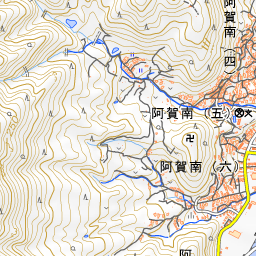
It is about a 13-minute walk from JR Kure Station, or just steps away from the "Irifuneyama Koen" bus stop. Nearby is the JMSDF Kure District Headquarters, which carries on the history of the Kure Naval District. Visiting here together with the Yamato Museum, the JMSDF Kure Museum near the station, and the former naval cemetery Kure Naval Cemetery will allow you to gain a deeper understanding of Kure's history as a naval port city.

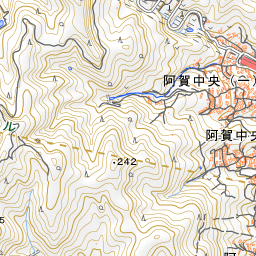

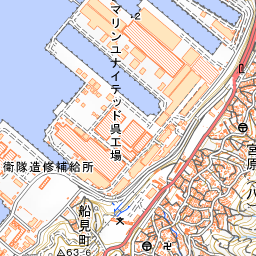
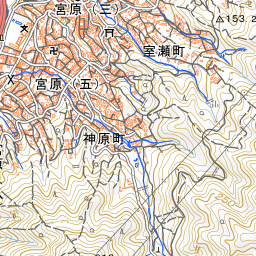
Spot location © OpenStreetMap contributors (ODbL)
Open in Google MapsGuides that include this spot (1)
Use asobot while you walk
- See where you are on the map and find spots nearby
- Listen to the guide's audio in course order, one after another (with subtitles)
- Walk to the next spot while following the map
Open on your phone
Scan to open this spot in asobot on your phone.