 ✨ AI Generated
Sakuya Konohana Kan
Japanese: 咲くやこの花館
Tsurumi Ward, Osaka
This information was written by AI and may contain mistakes. Please check official sources for opening hours, fees, and other details before you go.
Found a mistake? Let us know with “✏️ Something's wrong” on this spot's screen in asobot →
🎧 Audio guide(1:01)
In short
A large greenhouse in Tsurumi Ryokuchi Expo '90 Commemorative Park in Osaka City, which cultivates and exhibits plants that grow in various climatic zones across the globe, ranging from tropical and arid regions to alpine and polar zones. The collection brought together from all over the world reaches approximately 5,500 species. It was constructed as a pavilion for Osaka City at the 1990 "International Garden and Greenery Exposition," and opened on April 1, 1990, coinciding with the opening of the exposition. With a height of about 30 meters, it is one of the largest greenhouses in Japan.
- Humid Tropical Plant Room: Visitors can observe banyan trees, known as "strangler figs," and mangrove plants. Floating on water maintained at around 28°C are giant water lilies, famous for growing large enough to support a child
- Alpine Plant Room: Kept below 20°C even in the scorching heat of summer, this room lets visitors encounter alpine plants not easily seen within Japan, such as relatives of the Himalayan blue poppy
- Arid Land Plant Room: Visitors can compare the unique forms that plants have evolved to withstand drought, including baobabs, cacti, and Welwitschia, which survives for over 2,000 years with only two leaves throughout its entire life
History and Highlights
Sakuya Konohana Kan is a large greenhouse located within Tsurumi Ryokuchi Expo '90 Commemorative Park in Osaka City. It cultivates and exhibits plants that grow in various climatic zones across the globe, ranging from tropical and arid regions to alpine and polar zones. The collection brought together from all over the world reaches approximately 5,500 species.
This facility was constructed as a pavilion for Osaka City during the International Garden and Greenery Exposition held at Tsurumi Ryokuchi in 1990. Construction began in 1987 and was completed in March 1989, and the pavilion opened on April 1, 1990, coinciding with the opening of the exposition. The site of the exposition grounds was subsequently landscaped into Tsurumi Ryokuchi Expo '90 Commemorative Park.
The steel-frame, fully glass-enclosed building has a height of about 30 meters and is one of the largest greenhouses in Japan. Because the original landscape around Tsurumi Ryokuchi was a wetland area, its exterior design was inspired by the image of a water lily floating on the water's surface. The name of the facility was selected through a public contest and derives from an ancient poem in the Kokin Wakashu: "In Naniwazu, these flowers bloom; having stayed in during winter, now that spring is here, these flowers bloom."
Highlights of the Exhibition and Experience
- Humid Tropical Plant Room: A plant room reminiscent of a tropical jungle, where visitors can observe banyan trees—known as "strangler figs"—and mangrove vegetation. Floating on water maintained at around 28°C are giant water lilies (Victoria amazonica), famous for growing large enough to support a child.
- Alpine Plant Room: To allow alpine plants that thrive up to elevations of around 5,000 meters to grow, this room is kept below 20°C even during the scorching heat of summer. Visitors can encounter alpine flora rarely seen within Japan, such as relatives of the Himalayan blue poppy.
- Arid Land Plant Room: Arid-region plants from Africa, Madagascar, the Americas, Australia, and other areas are displayed divided by geographic region. Visitors can compare species that have evolved unique forms to withstand drought, including baobabs, cacti, and Welwitschia, which survives for over 2,000 years with only two leaves throughout its entire life.
Tips for Visiting
It is a 10-minute walk from Tsurumi-ryokuchi Station on the Osaka Metro Nagahori Tsurumi-ryokuchi Line. Be sure to also explore the Tropical Flowering Trees and Shrubs Room featuring hibiscus and bougainvillea, as well as the outdoor gardens connected to the indoor plant rooms. Sakuya Konohana Kan does not have a dedicated parking lot; visitors arriving by car can use the nearby Tsurumi Ryokuchi Central Parking Lot 2 (Chuo Dai-2 Parking Lot).
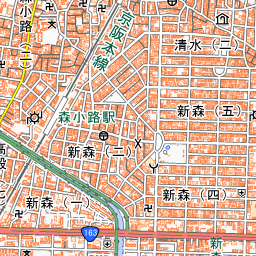
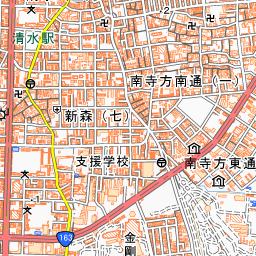

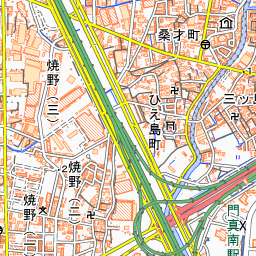
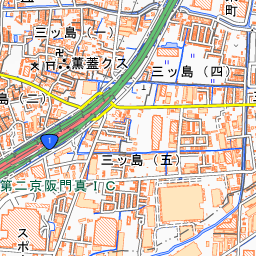

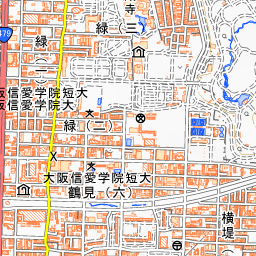
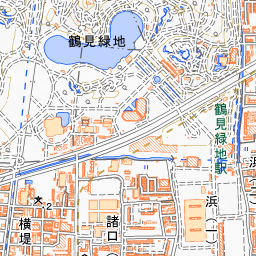
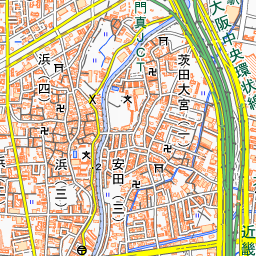

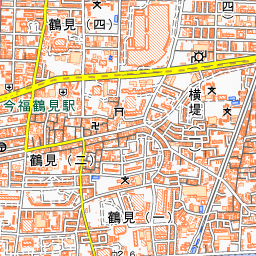
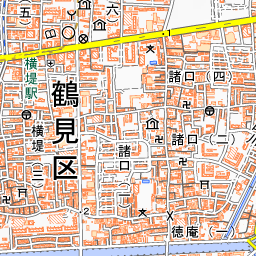
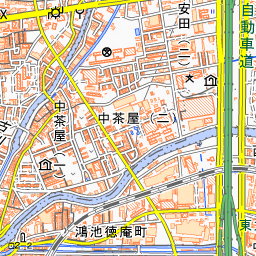
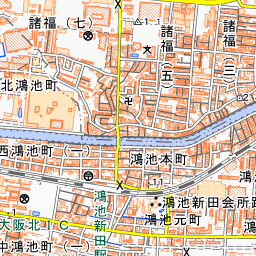
Spot location © OpenStreetMap contributors (ODbL)
Open in Google MapsUse asobot while you walk
- See where you are on the map and find spots nearby
- Listen to the guide's audio in course order, one after another (with subtitles)
- Walk to the next spot while following the map
Open on your phone
Scan to open this spot in asobot on your phone.