 ✨ AI Generated
Ueno Zoological Gardens
Japanese: 恩賜上野動物園
Taito City, Tokyo
This information was written by AI and may contain mistakes. Please check official sources for opening hours, fees, and other details before you go.
Found a mistake? Let us know with “✏️ Something's wrong” on this spot's screen in asobot →
🎧 Audio guide(1:03)
In short
Ueno Zoological Gardens, opened in 1882, is the first zoo in Japan. It houses approximately 3,000 animals representing around 250 species. The grounds are divided into the East Garden on hilly terrain and the West Garden located on the north side of Shinobazu Pond. The giant pandas departed for China in January 2026, and as of November 2026, no giant pandas are being kept.
- East Garden: Located on hilly terrain with large trees, it features areas such as the "Gorilla and Tiger Forest" and the "Elephant Forest."
- West Garden: In addition to African animals such as giraffes, hippopotamuses, and shoebills, it also includes the "Aye-aye Forest."
- Former Kan'ei-ji Temple Five-Story Pagoda: A national Important Cultural Property located in the East Garden, visible through a fence from within the zoo.
History and Highlights
Ueno Zoological Gardens opened on March 20, 1882, as Japan's first zoo and houses about 3,000 animals across approximately 250 species. It began as an annex to a museum established in Ueno Park, covering an area of about one hectare. In September of the same year, Japan's first aquarium, the Uonozoki (fish observation room), opened to the public and became widely popular under that name.
In 1924, it was granted to the City of Tokyo along with Ueno Park to commemorate the marriage of the Crown Prince (later Emperor Showa). In 1947, its official name was changed to Tokyo Metropolitan Ueno Zoological Gardens.
During World War II in 1943, the zoo's dangerous animals were put down, and bears, lions, tigers, and elephants were killed. After the war, the zoo was rebuilt under the slogan, "The zoo is peace itself."
In 1972, the giant pandas Kang Kang and Lan Lan arrived to commemorate the normalization of diplomatic relations between Japan and China. Pandas became the zoo's signature animals; however, the twins Xiao Xiao and Lei Lei departed for China on January 27, 2026, and as of November 2026, giant pandas are no longer kept here.
Viewing and Experience Highlights
- Forest of the East Garden: The East Garden is located on the hilly terrain of Ueno Park amidst lush, large trees. The "Elephant Forest" features a pool deep enough for full submersion, where visitors can closely watch Asian elephants drinking and bathing through glass panels. The "Gorilla and Tiger Forest" recreates natural habitats, including surrounding environments. Visitors can observe young Western lowland gorillas growing up within their troop.
- West Garden and Shinobazu Pond: The West Garden occupies the area north of Shinobazu Pond, hosting African animals such as giraffes, hippopotamuses, and shoebills, along with the "Aye-aye Forest." Cormorant Pond, part of Shinobazu Pond, lies within the zoo grounds, allowing observation of wild birds such as great cormorants. In winter, large numbers of ducks and gulls fly in.
- Panda Forest: Located in the West Garden, this area recreates the high-altitude mountain forests of China. Visitors can walk through while observing animals that share the giant panda's native habitat, such as red pandas and pheasants. Be sure to look for traces such as footprints and claw marks as well.
Visiting Tips
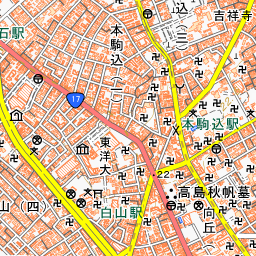
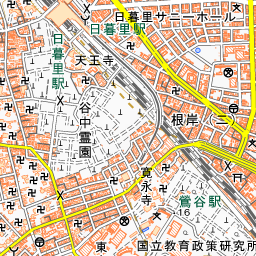
It is a 5-minute walk from the Park Exit of JR Ueno Station. There are three entrances and exits: the Main Gate, the Benten Gate, and the Ikenohata Gate.
The East Garden and West Garden are connected by Isoppu Bridge, completed in 1961. The name was chosen through a public contest judged by poet Sato Hachiro. An electric bus also runs between the East Garden and the West Garden, giving boarding priority to those with mobility difficulties.
The Former Kan'ei-ji Temple Five-Story Pagoda in the East Garden was rebuilt in 1639 and is designated as a national Important Cultural Property. The circular walking path that brings visitors up close is accessible from the approach to Ueno Toshogu Shrine. It can be viewed from inside the zoo grounds through a fence. After leaving the zoo, visitors can also stroll through Ueno Park and Shinobazu Pond.


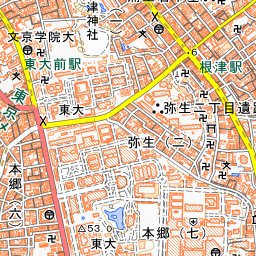

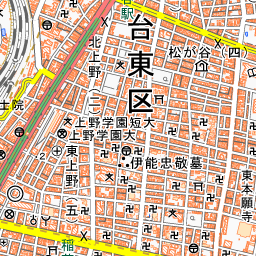

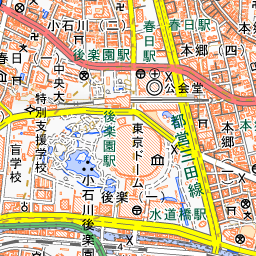
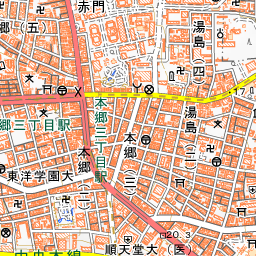


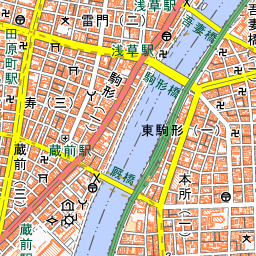
Spot location © OpenStreetMap contributors (ODbL)
Open in Google MapsGuides that include this spot (1)
Use asobot while you walk
- See where you are on the map and find spots nearby
- Listen to the guide's audio in course order, one after another (with subtitles)
- Walk to the next spot while following the map
Open on your phone
Scan to open this spot in asobot on your phone.