 ✨ AI Generated
Fukuromachi Elementary School Peace Museum
Japanese: 袋町小学校平和資料館
Naka Ward, Hiroshima
This information was written by AI and may contain mistakes. Please check official sources for opening hours, fees, and other details before you go.
Found a mistake? Let us know with “✏️ Something's wrong” on this spot's screen in asobot →
🎧 Audio guide(1:06)
In short
This museum preserves a portion of the West Building of Fukuromachi National School, now Fukuromachi Elementary School, which was exposed to the atomic bombing approximately 460 meters southeast of the hypocenter. Approximately 160 children and faculty members who had not been evacuated to the countryside and had come to school were exposed to the blast right after the morning assembly, and almost all of them lost their lives. The surviving West Building was used as a relief station and for other purposes, and it opened as a peace museum in 2002.
- Messages Left on the Walls: Numerous messages conveying the whereabouts and safety of atomic bomb victims remain on the staircase walls and other areas. People wrote them in chalk, and they were found in 1999, when the wall plaster was removed
- School Building Bearing Traces of the Bombing: Doors and windows damaged by the bomb, as well as soot-stained walls and ceilings, are also preserved
- A Drum Blown onto the Schoolyard: A drum said to have been blown out into the schoolyard by the blast is also preserved
History and Highlights
The Fukuromachi Elementary School Peace Museum is a museum preserving a portion of the West Building of Fukuromachi National School (now Fukuromachi Elementary School), which was exposed to the atomic bombing approximately 460 meters southeast of the hypocenter. In the atomic bombing at 8:15 a.m. on August 6, 1945, all of the wooden school buildings collapsed and burned, and the three-story reinforced concrete West Building, constructed in 1937, was also gutted by fire, leaving only its outer shell. Approximately 160 children and faculty members who had not been evacuated to the countryside and had come to school were exposed to the blast right after the morning assembly, and almost all of them lost their lives.
Immediately after the bombing, the surviving West Building was used as an evacuation site and relief station, and it also became a place where people inquired after the safety of children, faculty, and local residents. Using the few pieces of chalk scattered on the floor, people wrote "messages" on the blackened walls to communicate the whereabouts and safety of family members and acquaintances. These messages were later concealed beneath the wall plaster, but were rediscovered in 1999 when the plaster was removed, and more messages were later found in other places as well. During the rebuilding of the school, a portion of the West Building was preserved, and it opened as a peace museum in 2002.
Key Viewing and Experience Points
- Messages Left on the Walls: Numerous messages conveying the safety and whereabouts of atomic bomb victims remain on the staircase walls and other areas. Each faint piece of writing carries the heartfelt emotions of people searching for family members and trying to inform others of their survival.
- School Building Bearing Traces of the Bombing: Doors and windows damaged by the bomb, as well as soot-stained walls and ceilings, are preserved. Standing inside the burned building allows you to reflect upon what it was like when it served as a relief station.
- A Drum Blown onto the Schoolyard: A drum said to have been blown out into the schoolyard by the blast is also preserved. An everyday item used at the school quietly conveys the immense power of the atomic bomb.
Tips for Exploring
The museum stands adjacent to the active Fukuromachi Elementary School, where children still attend classes today. Please be mindful of this learning environment and tour quietly. It is about a 5-minute walk from the "Hondori" or "Kamiyacho-higashi" tram stops, and Shirakami-sha Shrine, which likewise bears scars of the atomic bombing, is located close by. Visiting here alongside Hiroshima Peace Memorial Park and the Honkawa Elementary School Peace Museum—also located in Naka Ward—allows you to gain a closer, more personal sense of the devastation suffered by the city and its schools.

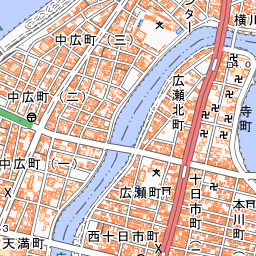
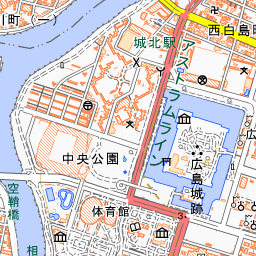
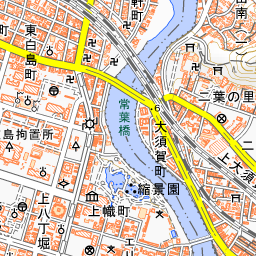
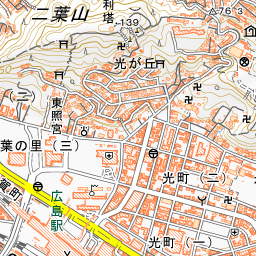
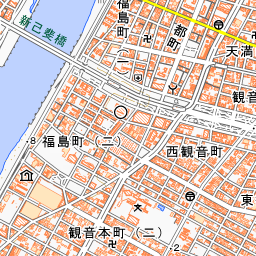
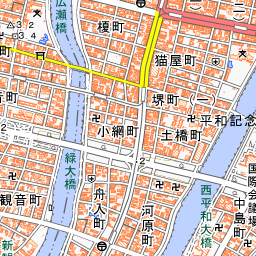
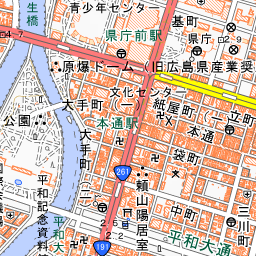
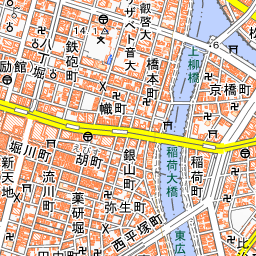
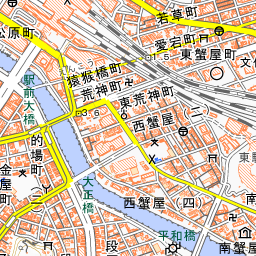
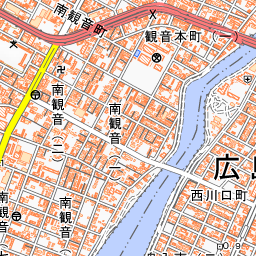
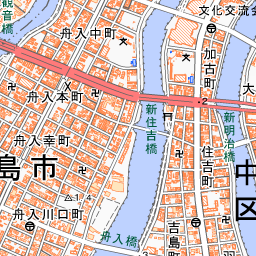
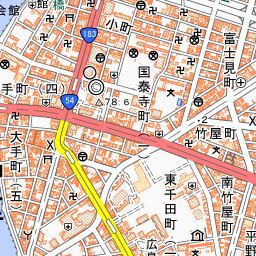
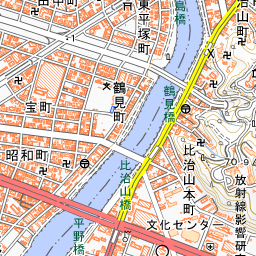

Spot location © OpenStreetMap contributors (ODbL)
Open in Google MapsGuides that include this spot (1)
Use asobot while you walk
- See where you are on the map and find spots nearby
- Listen to the guide's audio in course order, one after another (with subtitles)
- Walk to the next spot while following the map
Open on your phone
Scan to open this spot in asobot on your phone.